

The Fascinating Science Behind Goosebumps
Goosebumps might seem like a tiny, harmless bodily reaction. Yet their story stretches deep into human evolution. These small bumps appear on your skin when you feel cold, frightened, emotional, or moved by music. Scientists explain that goosebumps are not random. They are a reflex controlled by your nervous system. Let's explore why and how humans experience this intriguing phenomenon.
What Exactly Are Goosebumps?
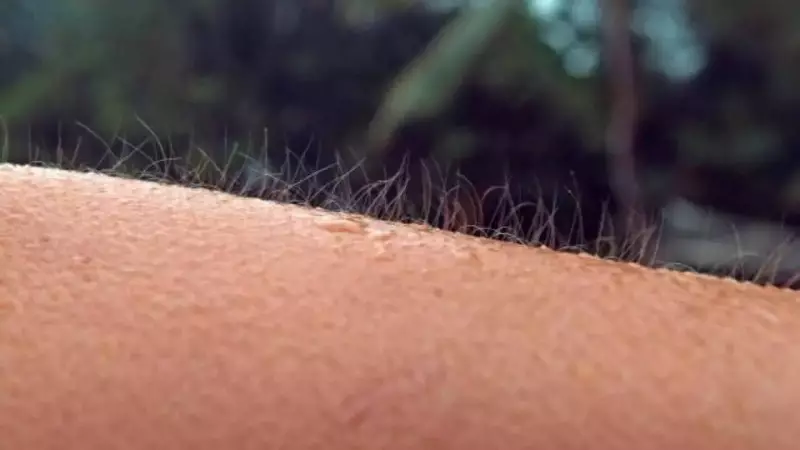
Goosebumps happen when tiny muscles at the base of hair follicles contract. These muscles are called arrector pili muscles. Their contraction makes hairs stand up. Your skin forms bumps as a result. This process occurs automatically. You cannot control it consciously.
The brain sends impulses through the sympathetic nervous system. This system manages your body's "fight or flight" responses. Goosebumps are more than just a skin reaction. They reveal a complex link between your brain and body.

The Cold Weather Connection
Cold temperatures often trigger goosebumps. When your body senses cold, it acts to preserve heat. The raised hairs trap a warm layer of air near your skin. This function was more useful for our hairy ancestors. Modern humans have less body hair, making it less effective today.
Fear and the Fight Response
Goosebumps also appear during fear, stress, or danger. When threatened, your brain releases adrenaline. This hormone prepares you for immediate action. It stimulates the arrector pili muscles to contract, causing goosebumps.
In many animals, raised fur makes them look larger and scarier to predators. Humans no longer need this defense mechanism. Yet our bodies still show this ancient reaction during stressful or emotional moments.
Emotional Goosebumps and Music
Not all goosebumps come from fear or cold. Some people get them from beautiful music, dramatic movie scenes, or powerful memories. Neuroscientists say emotional goosebumps result from interactions between brain emotion centers and the nervous system. They often link to feelings of awe and inspiration.
An Evolutionary Leftover
From an evolutionary perspective, goosebumps are vestigial. They once served important functions like warmth and protection. As humans evolved and lost body hair, these benefits diminished. The reflex remains, though it's less critical for survival now.
What Goosebumps Reveal About Your Body
Individually, goosebumps might seem insignificant. But they demonstrate how well your body responds to physical and psychological stimuli. They show the strong connection between your brain, nerves, and skin. Goosebumps highlight your body's ability to react to environmental and emotional cues, even subtle ones you might not notice.






