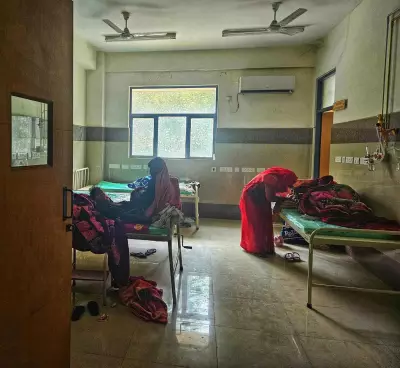
A 56-year-old man from Jayarabad village in Uttar Pradesh has reported significant health improvements after combining conventional thalassemia treatment with a structured Ayurveda and yoga program. This case highlights the growing potential of integrative medicine in managing chronic genetic blood disorders.
A Long Struggle with Thalassemia and Anemia
The patient's condition was first identified around 2008–2009 during routine tests that showed persistently low hemoglobin levels. For over 15 years, he lived with thalassemia-related anemia, a hereditary disorder that impairs the body's ability to produce healthy hemoglobin.
Despite extensive allopathic treatment, including multiple blood transfusions, his health remained precarious. His hemoglobin levels frequently plummeted to critical lows, sometimes reaching a dangerous 4–5 g/dL. This cycle of transfusions and recurring anemia significantly compromised his quality of life, with chronic fatigue being a constant companion.

The Integrative Wellness Intervention at Patanjali
Seeking a complementary approach, the patient enrolled in a dedicated wellness program at Patanjali Wellness from 27 March 2024 to 3 April 2024. The program was built on a foundation of traditional Ayurvedic principles combined with a rigorous daily yoga regimen, aiming to enhance systemic balance and physiological resilience.
The therapeutic protocol included several key components:
- Cleansing Practices: Warm water bathing and mud therapy baths to aid detoxification and promote relaxation.
- Pranayama (Breathing Techniques): Daily practice of Anulom Vilom, Kapalbhati, Bhramari, and external breathing exercises. These are known in yoga tradition to improve oxygen utilization and autonomic nervous system balance.
- Comprehensive Yogasanas & Exercises: A wide array of postures and movements including Surya Namaskar, Bhujangasana, Paschimottanasana, Dhanurasana, and yogic jogging. This set aimed to stimulate circulation, reduce stiffness, and build vitality without strain.
Notable Improvements and Clinical Observations
Following the program, clinical observations indicated a notable improvement in the patient's general health and stability. Symptoms that had persisted for years showed significant reduction. Most importantly, his hemoglobin levels demonstrated improved consistency, moving away from the severe fluctuations he had previously endured.
This case underscores that while genetic conditions like thalassemia cannot be cured, their management can be enhanced. The integration of lifestyle modification and guided traditional practices appeared to contribute to better physiological regulation and a reduced symptom burden for this patient.
The Role of Integrative Care in Chronic Disease Management
Medical experts stress that such holistic approaches should complement, not replace, standard medical care. Regular monitoring, diagnostics, and physician oversight remain non-negotiable for conditions like thalassemia. However, this experience adds to the growing recognition of personalized, holistic models in chronic disease care.
The need for larger, systematic clinical studies is evident to objectively evaluate the impact of structured yoga and Ayurvedic interventions on hemoglobin stability and long-term patient outcomes. Nevertheless, combining modern medicine with time-tested wellness practices offers a promising path for patients seeking improved balance, resilience, and day-to-day well-being.