Swiss Skin Production Center Operates at Full Capacity for Bar Fire Victims
The Cell Production Centre at Lausanne University Hospital is working nonstop to grow new skin for survivors of Switzerland's devastating New Year's Day bar fire. Hospitals across the country continue to treat dozens of patients with severe burns from the tragic incident.
Deadly Blaze Claims Lives and Injures Many
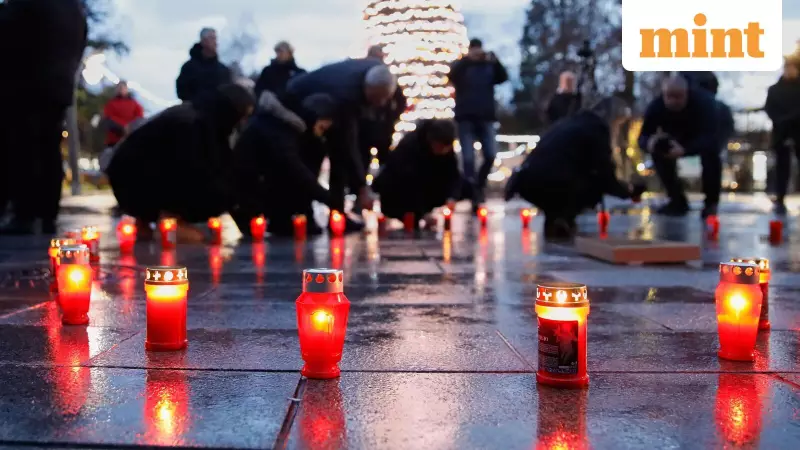
A fire erupted at the Le Constellation bar in the ski resort of Crans-Montana on January 1. The blaze killed 40 people, most of them teenagers, and injured 116 others. As of the weekend, 80 victims remained hospitalized in Switzerland and abroad, requiring extensive medical care.
Center Focuses on Action Amid Emotional Aftermath
Laurent Carrez, the pharmacist technical manager at the center in Epalinges near Lausanne, acknowledged the emotional weight of the situation. He stated that the team is currently focused on taking action to help patients as much as possible. The center operates the only skin-production facility of its size in Europe and has been working seven days a week since the tragedy.

Surge in Requests for Laboratory-Grown Skin
Carrez revealed that the center has already received 15 requests to grow skin for victims of the Crans-Montana fire. This number is close to the 20 requests the facility typically handles in an entire year. The process involves using small samples of healthy skin from the burn victims themselves, which significantly reduces the risk of rejection.
From just 10 square centimeters of healthy skin, technicians can produce between one and three batches of 2,600 square centimeters. This area is roughly equivalent to the surface of a human back. However, the lab-grown tissue does not contain hair or sweat glands.
Critical Role in Treating Extensive Burns
Olivier Pantet, a severe burns specialist at Lausanne University Hospital, explained the vital role of lab-grown skin. When 50 to 60 percent of the body surface area is burned, doctors cannot rely solely on the patient's remaining healthy skin. Laboratory cultivation becomes essential for recovery.
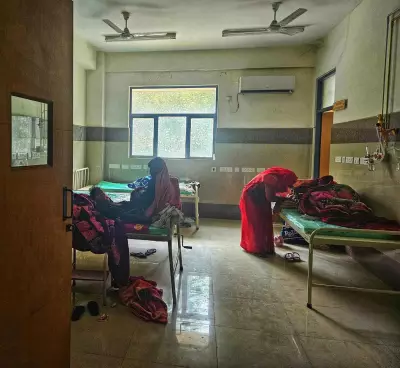
Lausanne University Hospital is currently treating seven patients injured in the blaze. The treatment involves specialized care in high-humidity rooms kept at around 30 degrees Celsius, with careful monitoring of hydration and body temperature.
Inside the Sterile Cleanrooms
Technicians work in sterile cleanrooms, refreshing nutrient solutions that cultivate skin cells to stimulate growth. Carrez detailed the process, noting that biopsies from patients have been collected and stored. The center is about to begin the critical second phase: multiplying keratinocyte tissue to form skin.
This multiplication phase lasts about three weeks. Cells multiply in dishes until they form layered tissue. At a certain point, they stop growing, indicating they are ready to function as skin. Once mature, the skin grafts must be applied within two days, requiring precise coordination with hospitals.
Grafting Risks and Long Recovery Process
The success of skin grafts is not guaranteed. Pantet mentioned that if 80 percent of the grafts take, it is considered an excellent result. While awaiting grafts, doctors may use airtight dressings, skin from deceased donors, or even fish skin to protect burned areas.
Many survivors suffered burns that are both extensive and deep. Following grafting, doctors must manage joint positioning using splints before patients begin a long rehabilitation process.
Investigation into the Fire's Cause
Prosecutors believe the inferno started when champagne bottles fitted with sparklers were raised too close to sound-insulating foam on the ceiling of the bar's basement. Investigations into the disaster are ongoing as authorities work to determine the full circumstances of the tragedy.