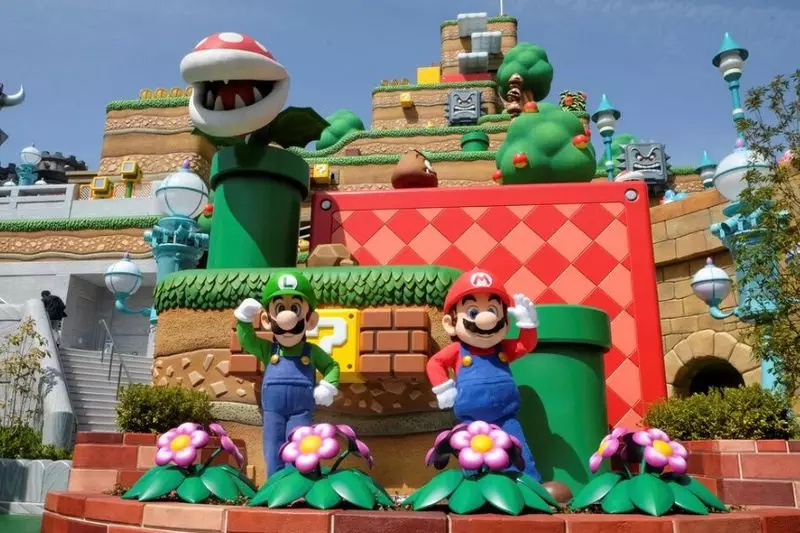
In a surprising twist that blends nostalgia with modern psychology, a new study suggests that the classic video game Super Mario Bros. could be a potent weapon against the pervasive problem of workplace burnout. The research, led by Professor Katarzyna Puchalska from the University of Warsaw, explores how engaging with this iconic platformer can foster psychological resilience and help employees recover from the chronic stress of their jobs.
The Science Behind the Power-Up: How Gaming Builds Resilience
The study, which involved a group of participants, found that playing Super Mario Bros. provided more than just entertainment. It actively contributed to what psychologists call psychological capital—a combination of hope, efficacy, resilience, and optimism. These are the very traits that act as a buffer against burnout, a state of emotional, physical, and mental exhaustion caused by prolonged stress.
Professor Puchalska's team theorizes that the game's structure is key to its therapeutic effect. Navigating the Mushroom Kingdom requires problem-solving, quick decision-making, and persistence in the face of repeated failures (like falling down a pit). Each small victory, from collecting a coin to defeating a Goomba, provides a sense of accomplishment. This process mirrors the building of resilience in real life, training the brain to cope with setbacks and maintain a positive outlook.
Beyond Entertainment: Video Games as a Mental Health Tool
This research adds to a growing body of evidence that challenges the stereotype of video games as mere distractions or negative influences. Instead, it positions certain games, particularly those with clear goals and rewarding feedback loops, as potential tools for mental well-being and stress management.
The implications for the modern workplace are significant. With burnout rates soaring globally, employers and individuals are desperately seeking effective coping mechanisms. While traditional methods like mindfulness and exercise remain vital, this study opens the door to considering structured, short bursts of gameplay as a legitimate and enjoyable form of cognitive recovery. It suggests that taking a "play break" might be more restorative than scrolling through social media.
A Note of Caution and Future Potential
Experts are quick to clarify that not all video games may have this effect, and excessive gaming can lead to other issues. The benefit seems tied to games that are engaging, not overly frustrating, and allow for a sense of mastery. The study focused on a specific, well-loved title from a simpler era of gaming.
Nevertheless, the findings are promising. They encourage a more nuanced conversation about the role of play in adult life and mental health. As Professor Puchalska's work gains attention, it paves the way for further exploration into how different game genres—from puzzles to adventures—might be tailored to support psychological health, potentially leading to "prescriptive gaming" interventions in the future.
For now, the message is clear: the next time you feel overwhelmed by work stress, you might consider powering up an old console. Helping Mario rescue Princess Peach could, ironically, help you rescue your own sense of well-being.