

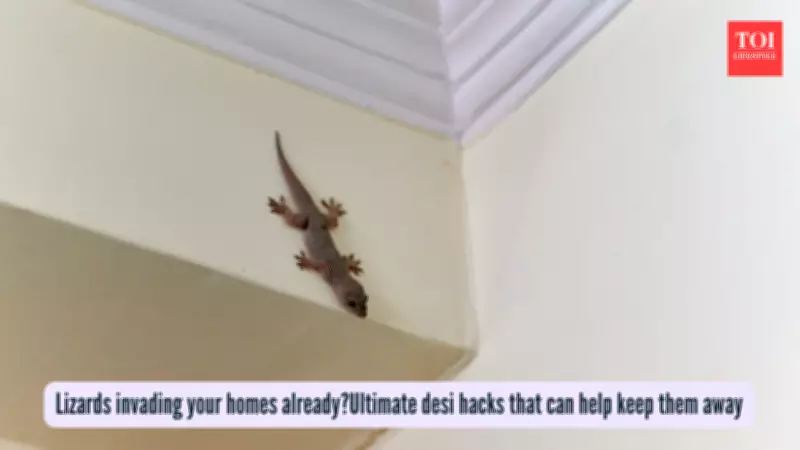
Summer Heatwave and Humidity Transform Indian Homes into Unplanned Reptile Sanctuaries
Across India, the intense summer heatwave and rising pre-monsoon humidity are inadvertently converting residential spaces into makeshift motels for reptiles. Those swift, wall-crawling creatures emerge precisely on schedule, vacating their burrows and concealed spots within walls to pursue insects and seek out cozy corners as temperatures escalate.
While they serve as nature's complimentary pest patrol, feasting on mosquitoes and flies, their characteristic chirps and rapid scuttling sounds alarm numerous individuals. Their scaly skin often induces unease, and few appreciate an unexpected guest descending from the ceiling during dinner. This yearly invasion challenges our patience, merging mild disgust with a grudging acknowledgment of their ecological significance.
However, straightforward adjustments can diminish panic or the reliance on toxic substances, offering peace of mind without causing injury. As March temperatures soar, adopting proactive habits can render rooms and houses less appealing to lizards.

Why Are Lizards Frequently Observed During Summer Months?
Warmer climatic conditions significantly boost lizard activity in Indian households, particularly from summer extending into the monsoon season when insect populations surge abruptly. Geckos actively hunt for sustenance, warmth, and refuge near illuminated areas, kitchens, and balconies. Although they are harmless and function as effective pest controllers, their presence frequently startles residents.
Here are several effortless steps to maintain a lizard-free home this season.
Eliminate Their Food Sources
Lizards primarily appear in search of an insect buffet! They commonly target flies, ants, and mosquitoes for nourishment. Deprive them by maintaining cleanliness, promptly wiping kitchen surfaces, disposing of food remnants immediately, and consistently covering edibles. Keep windows closed to prevent insect entry, and deactivate or dim unnecessary nighttime lighting. Reduced insect availability translates to no lizard gatherings, as noted in the CSR Journal.
Seal Potential Entry Points
Minute fissures surrounding doors, windows, and pipes can prove problematic. Seal these gaps using silicone or adhesive strips and inspect ventilation openings regularly to enhance effectiveness.
Employ Scent-Based Repellents
Lizards exhibit aversion to strong aromas such as garlic, onions, pepper spray, or eucalyptus oil. Simply position cloves or slices near doorways, windows, and corners; these act as secure, natural deterrents without requiring harsh chemicals.
Remove Concealment Areas
Discard accumulated clutter like aged boxes or papers, as lizards favor dark recesses. Organize spaces and enhance lighting to minimize hiding spots.
Utilize Eggshells
Position empty eggshells around doors, windows, and kitchen corners. Their odor is believed to repel lizards, a traditional Indian remedy that has garnered widespread popularity through oral tradition, according to Urvann.
Install Wire Mesh on Doors and Windows
Wire meshes effectively deter insects, thereby removing lizard bait, and additionally keep mosquitoes at bay. Opt for yellow bulbs outdoors instead of white ones; this repels bugs, and lizards consequently follow them away.
Consider Safe Supplementary Measures
If necessary, apply mild repellents, but prioritize natural options initially. Experts emphasize prevention. These strategies render homes inhospitable without inflicting harm. Lizards contribute to ecological equilibrium, so gentle discouragement methods are most advisable.






