When summer temperatures soar, many people look for simple ways to keep their homes cool without constantly adjusting the thermostat. One of the most common household debates centres on whether interior doors should be left open or closed. Some believe closing doors traps cool air and keeps rooms comfortable, while others argue that open doors improve airflow throughout the house. The reality is not quite as straightforward. Air movement, room layout, ventilation and the type of cooling system all play a role in determining what works best. Understanding how airflow behaves indoors can help create a more comfortable living environment, improve cooling performance and make your home feel fresher during even the hottest days of summer.
Does Leaving Doors Open Help Cool a House Faster: What Experts Say
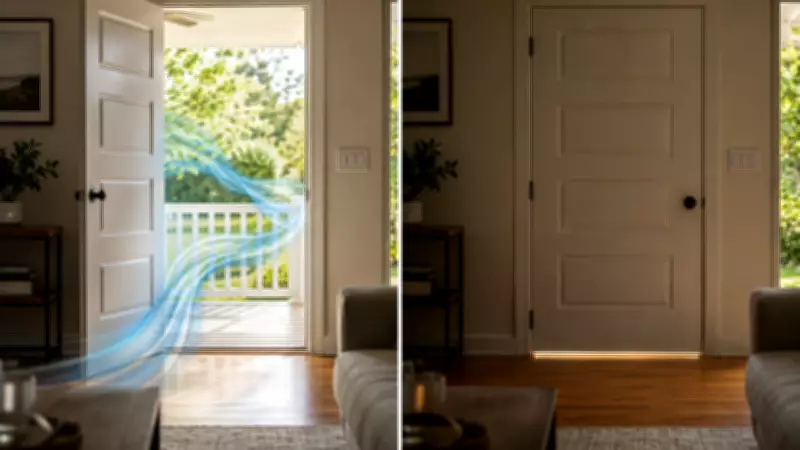
In many homes, leaving interior doors open can help air move more freely from one room to another. Better airflow often allows cool air to circulate more evenly, reducing the likelihood of hot and stuffy areas developing in certain parts of the house.
Ventilation researchers have long recognised that air movement is a major factor in thermal comfort. Air movement can significantly influence thermal comfort. When air flows more freely through connected spaces, occupants often perceive rooms as feeling cooler, even when the actual temperature remains unchanged. Open doors can also support natural ventilation when combined with open windows, allowing fresh air to travel through a property and carry heat away more effectively.

Closing Doors Can Help Keep Rooms Cooler During Hot Weather
There are situations where closing a door may be beneficial. If a room receives intense afternoon sunlight, generates extra heat from electronics or appliances, or is rarely used during the day, closing the door can help isolate that warmer space from cooler parts of the home. Similarly, when a particular room is being cooled independently, keeping the door shut may help maintain a more stable temperature within that space.
Research from the U.S. Department of Energy highlights the importance of controlling unwanted heat transfer and air leakage to improve indoor comfort and energy performance. "Reducing air leaks in your home is a cost-effective way to reduce heating and cooling costs." By limiting the movement of warm air from hotter rooms into cooler areas, closed doors can sometimes contribute to maintaining comfort levels.
The Best Summer Cooling Strategy for a More Comfortable Home
Rather than relying solely on whether doors are open or closed, cooling experts recommend focusing on overall airflow and heat management. Some of the most effective strategies include:
- Encouraging cross-ventilation by opening windows on opposite sides of the house.
- Blocking direct sunlight with curtains, blinds or external shading.
- Using ceiling or portable fans to increase air movement.
- Reducing indoor heat generated by ovens, dryers and electronic devices during the hottest part of the day.
- Ensuring vents, windows and airflow pathways remain unobstructed.
According to the World Health Organisation, proper ventilation plays a crucial role in maintaining indoor comfort and air quality, particularly during periods of extreme heat.
Ultimately, there is no universal rule that applies to every home. In some situations, open doors improve airflow and comfort. In others, closed doors help contain cooler air and reduce heat transfer. The most effective approach depends on your home's layout, ventilation patterns and cooling setup. Leaving doors open or closed will not magically cool a house on its own, but it can influence how air moves through your home. Open doors generally encourage better circulation and more even temperatures, while closed doors can help isolate warmer areas or retain cooling in specific rooms. The best results often come from combining smart airflow management with good ventilation, shading and heat-reduction strategies, creating a cooler and more comfortable home throughout the summer months.