

Summer Allergies in Children: Essential Prevention Tips for Parents
Summer is a season of outdoor adventures, vacations, and playful activities for children, but it also brings a heightened risk of various allergies that can cause significant discomfort. Many parents mistakenly believe allergies are confined to winter or seasonal transitions, but summer allergies are equally prevalent and demand careful attention. Exposure to environmental triggers like dust, pollen, sweat, insects, and pollution can lead to allergic reactions, making timely management crucial for ensuring children's comfort and health.
Common Summer Allergies in Kids and How to Manage Them
As children engage in outdoor fun, such as playing in parks, attending camps, or going on vacations, the hot and humid weather can exacerbate allergy risks. Understanding these common allergies and implementing preventive measures is key to a healthy summer.
Pollen Allergy
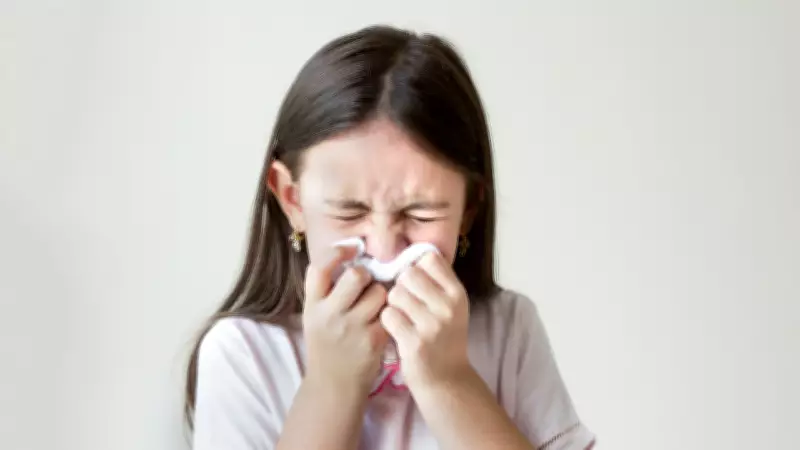
During summer, plants and trees release pollen into the air, which can trigger symptoms like sneezing, runny nose, itchy eyes, and throat irritation in children. To prevent pollen allergies, keep windows closed during periods of high pollen concentration, encourage children to wash their hands and face thoroughly after outdoor play, and have them change clothes immediately upon returning home.

Dust Allergy
Dust, whether from household environments or outdoor pollution, can cause coughing, sneezing, nasal congestion, and breathing discomfort in kids. Maintain a clean and dust-free home by regularly washing bedsheets, cleaning surfaces such as kitchen countertops and furniture, and avoiding play in dusty areas. Ensure children wash their hands after touching objects to minimize exposure.
Heat Rash (Prickly Heat)
Constant sweating in summer can lead to heat rash, characterized by small, red, itchy rashes on the neck, back, and chest. These rashes may cause burning or pricking sensations, potentially distracting children from studies. To tackle heat rash, dress kids in loose cotton clothing, keep their skin dry, and ensure they stay in cool, well-ventilated environments. Use only expert-recommended products for rash management.
Insect Bite Allergy
Mosquitoes, ants, and other insects become more active in summer, and many children experience symptoms like swelling, itching, redness, or skin irritation after bites. Parents should use mosquito nets or repellents, keep surroundings clean, and apply doctor-prescribed soothing creams for mild irritation.
Food Allergies
Hot summer weather can cause food to spoil quickly if not stored properly, leading to allergic reactions such as stomach pain, vomiting, nausea, and rashes in children. Ensure kids eat fresh, properly stored food and drink clean water. Avoid giving street food that may not be hygienically prepared.
Overall, maintaining good hygiene, keeping children hydrated, and avoiding known allergy triggers are fundamental strategies to prevent summer allergies and promote a healthy season for kids.
Dr. Amit Gupta, Senior Consultant- Paediatrician & Neonatologist, Motherhood Hospitals, Noida






