

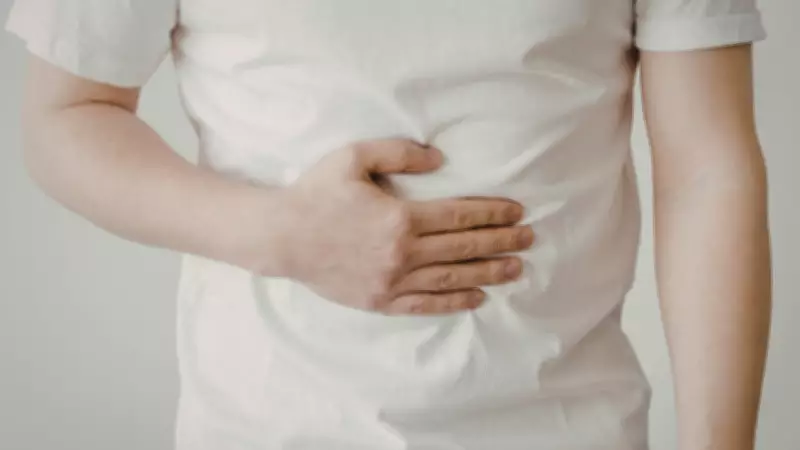
Stomach Tightness After Normal Meals: Understanding Digestive Slowdown
Many individuals complete what seems like a reasonable meal only to experience an uncomfortable sensation: their stomach feels tight, stretched, or unusually full. This occurs even when portion sizes are moderate, with some describing it as abdominal pressure, bloating, or lingering heaviness that persists for hours.
Medical professionals emphasize this phenomenon is more prevalent than commonly recognized. While the stomach naturally expands to process food gradually, various everyday factors can disrupt this rhythm, resulting in feelings of firmness, swelling, or delayed settling after eating.
The Natural Stretching Mechanism of the Stomach
The stomach functions as a flexible organ that expands like a pouch when food enters, then gradually contracts to transfer contents into the small intestine. This stretching represents a normal digestive process.

Dr. Adarsh C. K., HOD & Senior Consultant in Medical Gastroenterology at Gleneagles BGS Hospital, explains: "A feeling of tightness in the stomach after a normal meal is frequently described by patients in clinical settings. Often, food quantity isn't the primary issue. The digestive system naturally stretches slightly during food intake, but some individuals perceive this normal expansion much more intensely."
For certain people, the body interprets routine expansion as discomfort rather than a neutral sensation, explaining why one person feels comfortable after eating while another experiences bloating.
The Gut-Brain Connection and Sensory Amplification
Digestion maintains close ties with the nervous system, with continuous signal transmission between the gut and brain. Dr. Adarsh C. K. notes that sensitivity within this communication network can alter how the body interprets digestive activities.
"The gut and brain connect through an intricate nerve network. When this system becomes overly sensitive, ordinary digestive processes may generate discomfort. Even gas produced during food breakdown can feel like abdominal pressure buildup," he elaborates.
Essentially, while the digestive system may operate normally, nerve signals interpret these functions with heightened intensity.
When Gastric Emptying Slows Down
Another contributor to post-meal tightness involves delayed gastric emptying, where the stomach requires extended time to move food into the intestines.
Dr. Akash Chaudhary, Clinical Director and Senior Consultant in Medical Gastroenterology at CARE Hospitals, clarifies: "Patients often report stomach tightness or unusual fullness after consuming meals that typically wouldn't cause issues. Frequently, the explanation involves digestive pace. The stomach gradually breaks down food and transfers it to the small intestine systematically. When this process slows, food remains stagnant longer than appropriate."
Extended food retention in the stomach may manifest through various symptoms:
- Upper abdominal heaviness
- Frequent belching
- Mild nausea
- Firm or stretched stomach sensations
"This doesn't necessarily indicate excessive food consumption; it may simply reflect slower gut rhythm," Dr. Chaudhary adds.
Common Lifestyle Habits That Trigger Post-Meal Bloating
Medical experts identify lifestyle patterns as frequent explanations for recurring stomach tightness. These seemingly harmless habits can significantly impact digestive function.
Dr. Adarsh C. K. highlights several prevalent triggers: "Rapid eating, swallowing excess air during meal conversations, or consuming easily fermentable foods can increase gas production. Prolonged sitting after meals may also decelerate natural gut movement."
Typical contributing factors include:
- Rushed meal consumption
- Extended intervals between meals
- High-gas foods like beans or carbonated beverages
- Stress during eating
- Sedentary daily routines
While these elements don't immediately damage the stomach, they can gradually make digestion feel heavier and less comfortable over time.

Stress and Modern Routines Affecting Digestive Rhythm
The digestive system demonstrates strong responsiveness to stress. When the body experiences tension, energy often diverts from digestion toward fight-or-flight responses.
Dr. Chaudhary emphasizes this connection: "Long meal gaps, rapid eating, stress, poorly managed blood sugar in diabetics, and certain medications can all influence stomach muscle contractions. Sedentary lifestyles may also contribute since gentle movement stimulates digestion."
This explains why identical meals might feel comfortable on relaxed days but burdensome during stressful periods.
Gentle Daily Practices for Smoother Digestion
Doctors confirm that digestion responds remarkably well to minor daily adjustments, allowing the stomach to process food at consistent rates.
Dr. Chaudhary recommends straightforward habits: "Smaller meals, brief post-meal walks, and adequate hydration frequently make digestion feel substantially more comfortable."
Additional beneficial practices include:
- Eating slowly: Allocating at least 20 minutes per meal reduces air swallowing and enhances satiety signals
- Pausing between bites: This enables natural stomach fullness signaling
- Taking short post-meal walks: Even 10-minute walks stimulate intestinal movement
- Identifying food triggers: Some individuals react strongly to high-fermentation foods
- Managing pre-meal stress: Simple breathing exercises or tranquil eating environments aid digestion
When to Seek Medical Evaluation
Occasional post-meal bloating typically remains harmless, but frequent symptoms warrant professional attention.
Physicians recommend medical consultation when tightness accompanies:
- Persistent nausea
- Unexplained weight loss
- Severe abdominal pain
- Vomiting episodes
- Swallowing difficulties
Dr. Adarsh C. K. stresses pattern importance: "When problems recur consistently, reviewing eating patterns, food triggers, and stress levels proves valuable. Minor modifications in meal approaches often create noticeable improvements."
Early assessment helps exclude underlying digestive conditions while providing personalized guidance aligned with individual routines.
Medical insights contributed by gastroenterology specialists Dr. Adarsh C. K. and Dr. Akash Chaudhary, explaining digestive slowdown mechanisms and practical lifestyle adjustments for post-meal comfort.





