

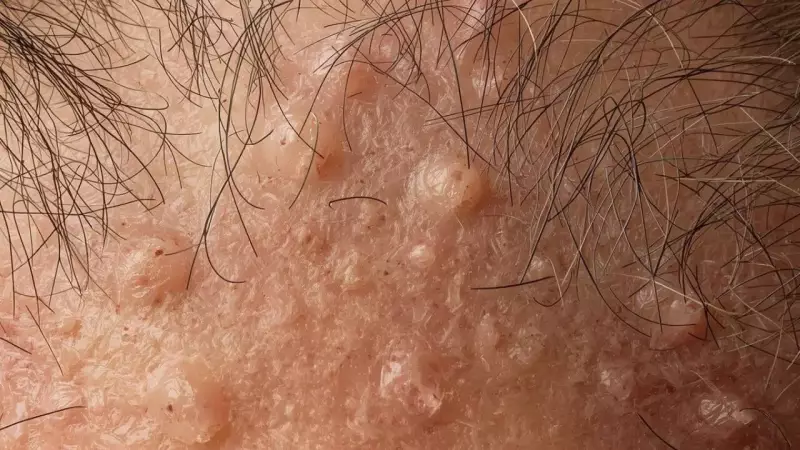
Have you ever felt small, painful bumps on your scalp and worried they might be connected to your hair thinning? What many dismiss as mere pimples could be quietly sabotaging your hair's health. Dermatologists are now sounding the alarm, confirming that these seemingly minor irritations can disrupt your scalp's natural balance and significantly slow down hair growth.
The Hidden Damage Beneath the Skin
The real danger lies beneath the surface. When hair follicles get clogged with a mix of oil, sweat, dead skin, and bacteria, they become blocked and swell up. This creates a perfect, warm environment for microbes to thrive, leading to inflammation that makes the scalp tender and itchy.
According to a peer-reviewed study published in the journal Skin Appendage Disorders, inflammatory scalp conditions like folliculitis cause oxidative stress and damage the stem cells within hair follicles. This damage directly interferes with the hair-growth cycle, potentially triggering thinning or even permanent hair loss.

Over time, chronic inflammation weakens the hair follicle and shortens its growth phase. Experts warn that even mild but persistent folliculitis can force hair follicles into a resting state, leading to more shedding than normal. In severe cases, prolonged inflammation can damage the follicle's structure irreparably, causing scarring alopecia, a form of permanent hair loss.
Common Culprits Behind Scalp Pimples and Hair Thinning
Several everyday factors contribute to this problematic cycle. A buildup of excess oil and sweat, often exacerbated by oily hair products, is a primary cause. Bacterial or fungal infections from organisms like Staphylococcus aureus and Malassezia yeast are also frequent offenders.
Your lifestyle choices can play a role too. Tight headgear, helmets, and restrictive hairstyles trap heat and cause friction, irritating the scalp. The overuse of heavy conditioners, oils, and leave-in products can leave a residue that suffocates the pores. Furthermore, stress and hormonal imbalances can increase sebum production and weaken the immune response, allowing scalp infections to flourish.
Protecting Your Scalp and Hair Growth
The good news is that proactive care can make a significant difference. Treating scalp pimples early is crucial to prevent long-term follicular damage. Dermatologists recommend several strategies to support scalp recovery and encourage healthy regrowth.
Start by cleansing your scalp regularly with a mild, sulphate-free shampoo to remove excess oil and bacteria. Consider incorporating medicated treatments containing ingredients like salicylic acid, benzoyl peroxide, or ketoconazole to control inflammation and clear blocked follicles.
It is also vital to avoid heavy, pore-clogging products and to minimize friction from hats and helmets. If pimples persist, consulting a dermatologist for prescription treatments like topical antibiotics or antifungal creams is essential.
For long-term prevention, maintain a consistent scalp care routine. Rinse your scalp after workouts to prevent sweat buildup, rotate your hair-care products to avoid residue, and manage stress levels. A balanced diet rich in zinc, vitamin E, and omega-3 fatty acids also supports scalp repair and hair strength.
While scalp pimples may seem insignificant, their impact on hair health is profound. By understanding the link between inflammation and hair loss, you can take steps to protect your follicles and maintain a healthy hair-growth cycle. Remember, healthy hair truly begins with a healthy scalp.






