

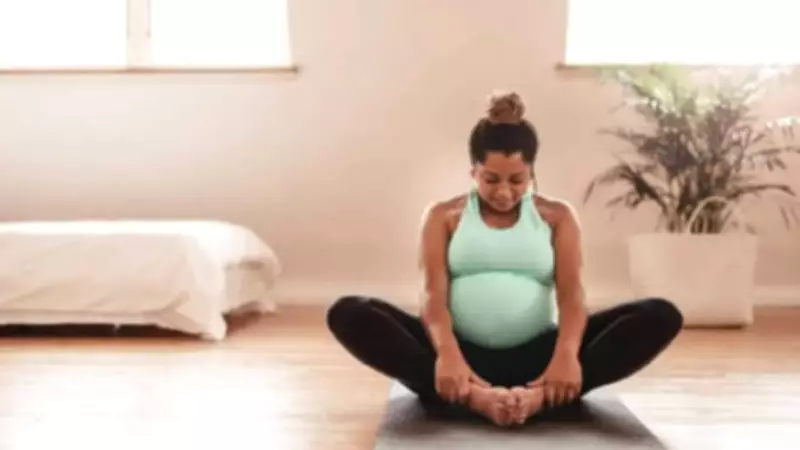
The Importance of Exercise During Pregnancy
Engaging in regular physical activity is absolutely essential for a pregnant woman, not only for her own health but also for the wellbeing of her developing baby. Many women feel uncertain about whether they should exercise and which types of activities are safe, but it is crucial to understand that maintaining fitness during pregnancy can lead to a smoother process, uplift mood, and even facilitate labor.
Debunking Myths: Exercise and Fetal Safety
A report by NHS UK highlights why working out during pregnancy is more important than ever. The report effectively debunks a common myth that exercise negatively affects the fetus. According to the NHS, "Exercise is not dangerous for your baby. There is evidence that active women are less likely to experience problems in later pregnancy and labour." This reassurance underscores the safety and benefits of staying active.
Safety and Benefits of Pregnancy Exercises
Pregnancy exercise is relatively safe and has minimal to no adverse effects on both the mother and the baby. Women who exercise regularly during pregnancy have a lower risk of suffering from various health complications later in their pregnancy period. This makes physical activity a key component of prenatal care.

Simple Ways to Stay Physically Active Every Day
The best approach is to engage in regular physical activities until you feel exhausted, without putting yourself under too much pressure. Simple activities can be highly effective:
- Taking a daily walk
- Practicing mild yoga or stretching exercises
- Performing simple chores like house cleaning
You don't need to do intense workouts; spending at least 20-30 minutes on physical exercise each day is sufficient to reap the benefits.
Listen to Your Body
It is never wise to push yourself too hard during pregnancy. This is not the time for vigorous exercises that cause excessive fatigue. A useful rule to follow is the "talk test": while engaging in physical activity, you should be able to talk without feeling too breathless or tired. This ensures you are exercising at a safe intensity level.
Hydration and Comfort Are Key
Staying hydrated and maintaining proper body comfort are crucial while working out. Always drink plenty of fluids, avoid training on extremely hot days, and dress appropriately. Incorporating warming-up exercises before training and cooling-down exercises afterward helps prevent injuries. If you join any fitness classes, remember to inform the trainer that you are pregnant for tailored guidance.
Recommended Exercises for Pregnant Women
Certain types of exercises have proven particularly beneficial for pregnant women:
- Abdominal and core strengthening exercises: These support the abdomen and alleviate back pain.
- Pelvic tilt exercises: Useful for maintaining proper posture and eliminating backache.
- Pelvic floor exercises: Strengthen muscles responsible for urinary incontinence, offering significant benefits.
Why Swimming Is Highly Recommended
Swimming is an excellent option for pregnancy workouts due to buoyancy, which makes your body feel lighter in water. For many women, swimming is relaxing and pleasant, helping to cope with the heaviness experienced in later stages of pregnancy.
Exercises to Avoid During Pregnancy
There are specific exercises that should be avoided during pregnancy to ensure safety:
- Excessive exercising, especially activities with a high risk of falling, such as sports games.
- Exercises requiring lying on your back for prolonged periods after the first trimester, as they can affect blood circulation.
According to NHS UK, women should follow these guidelines:

- Never lie down flat on your back, particularly from 16 weeks onwards, as it may cause dizziness.
- Avoid physical activities like kick-boxing, judo, or squash that involve getting hit.
- Do not engage in scuba diving, as it is dangerous to the baby's development.
- Avoid exercising at very high altitudes (above 2,500m) to prevent altitude sickness.
Starting Slowly If You Are Not Experienced
If you weren't leading an active lifestyle before getting pregnant, it's important to start exercising very gradually without rushing. This doesn't mean you need intensive training; simply move slowly at first to find a suitable regime that works for you. Patience and consistency are key to building a safe fitness routine during pregnancy.





