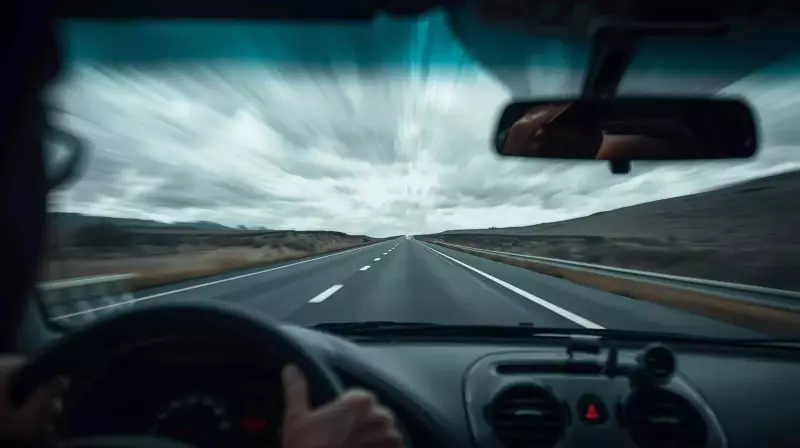
Have you ever reached your destination with no clear memory of the last part of the drive? The road was clear, the traffic light, and you were awake, yet a chunk of the journey feels missing. This common but unsettling experience has a name: road hypnosis. It's not sleep, and it's not carelessness. It's a distinct state where your mind disengages while your body continues to drive on autopilot, posing a silent yet significant risk on long journeys.
What Exactly Is Road Hypnosis?
Road hypnosis is a state of reduced alertness that occurs during monotonous driving. Your eyes remain open, and you keep the car centred in the lane, but your conscious awareness steps back. Research into this phenomenon has been ongoing for nearly a century. The danger lies in its deceptive normalcy; drivers often believe they are perfectly alert until a sudden event reveals they are not.
According to the International Road Federation, this condition typically doesn't set in at the start of a trip. It usually manifests after two to three hours of long, uninterrupted driving, especially on straight highways with steady speeds and repetitive scenery. With fewer signals demanding active judgement, the brain's attention gradually drops without the driver's notice.

The Science Behind the Trance: What Happens to Your Brain?
Is road hypnosis just a feeling, or is it physically measurable? Scientific research confirms it's very real. A study published on MDPI used EEG to measure brain activity during simulated driving. It found specific shifts in brainwave patterns linked to attention and awareness, indicating reduced alertness even when the driver appeared awake.
This is supported by eye-tracking data. During normal driving, eyes constantly scan mirrors, signs, and traffic. In a hypnotic state, this movement narrows. The gaze may fix forward without actively observing. While hazards remain in the visual field, the brain processes them with a dangerous delay, a lag often long enough to cause a collision.
Highways: The Perfect Recipe for a Mental Drift
Why are highways particularly problematic? They are designed for efficiency, removing friction from driving—fewer turns, fewer decisions, and repetitive lane markings. This is excellent for traffic flow but terrible for sustained attention. The brain lowers its alertness when stimulation is low and predictable. The effect deepens at night when darkness removes visual detail, or when passengers are asleep, leaving the cabin in a quiet, monotonous hum that encourages the mind to wander.
Vehicle data reveals another clue: during road hypnosis, speed often creeps up slightly, and acceleration or braking responses slow down. This explains why many crashes linked to this state involve rear-ending parked or slow-moving vehicles—the danger is seen, but the reaction is too late.
Road Hypnosis vs. Fatigue: Knowing the Difference
It's crucial to distinguish this from driver fatigue. Fatigue comes with physical cues like heavy eyelids, yawning, and muscle aches. Road hypnosis can strike even when a driver feels physically rested. It is triggered by repetition and predictability, not exhaustion. Another key difference is recovery; breaking the monotonous pattern can often restore alertness quickly.
Practical Tips for Indian Drivers to Stay Safe
Awareness is the first step to prevention. Here are actionable strategies for long drives:

- Schedule Regular Breaks: Make it a rule to stop every two hours. A short 5-10 minute walk is far more effective than just staying seated.
- Engage Your Mind Actively: Mentally note landmarks, count vehicles of a certain colour, or listen to engaging podcasts (without distraction).
- Use Companionship: If you have a passenger, keep a conversation going.
- Hydrate and Snack Wisely: Sips of water and light, healthy snacks can help maintain focus.
- Heed the Memory Gap: If you cannot recall the last few kilometres, treat it as a red flag and take a break immediately.
While future driver-assistance systems may detect these lapses in alertness, technology is not a substitute for proactive behaviour. On India's vast network of expanding highways, understanding that eyes open does not always mean mind awake can be the key to a safer journey for you and everyone on the road.