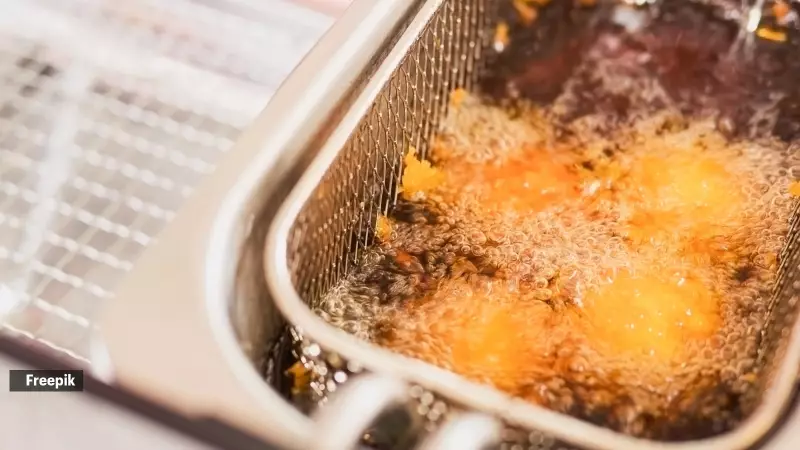
Reusing oil after deep-frying is a widespread habit in Indian homes and restaurants, driven by economy and convenience. However, this common practice carries significant, often overlooked, risks to food quality and long-term health. According to Dt Ginni Kalra, Head of Dietetics at Aakash Healthcare, frequent reuse of cooking oil is strongly discouraged.
The Chemical Breakdown: What Happens When Oil is Reheated?
Dt Ginni Kalra explains that each time oil is subjected to high heat, it undergoes damaging chemical transformations. The triglycerides in the oil begin to break down, generating toxic compounds like aldehydes. These substances can bind to proteins and DNA within the body, leading to cellular damage. This process fuels oxidative stress and chronic inflammation, which are root causes of many modern lifestyle diseases.
She further warns that with excessive reheating, the acidity and peroxide levels in the oil can exceed safe consumption limits. This makes the oil not just nutritionally poor, but actively harmful.
Official Guidelines and Safe Reuse Limits
So, what is the safe threshold? As per the Indian Council of Medical Research (ICMR) guidelines cited by Dt Kalra, cooking oil should ideally not be reused more than two to three times. Beyond this point, the oil becomes highly unstable and unsafe.
The context of reuse matters greatly. While occasional reuse at home—where oil is carefully filtered, stored correctly, and not overheated—might be permissible, the risk escalates in commercial kitchens. The constant, high-volume frying typical in restaurants makes proper oil management more challenging and increases the potential for harm.
Does the Type of Cooking Oil Matter?
The choice of oil does influence its stability under heat. Dt Kalra notes that oils rich in natural antioxidants, such as cold-pressed mustard oil, groundnut oil, and flaxseed oil, are relatively more stable compared to highly refined varieties. These antioxidants offer some protection against breakdown.
However, she issues a crucial caveat: no oil is immune to damage. "Even antioxidant-rich oils deteriorate if exposed to excessive heat repeatedly," she clarifies. The protective compounds are eventually depleted, leaving the oil vulnerable to the same harmful reactions.
Warning Signs: When to Discard Frying Oil Immediately
Dt Kalra lists clear physical indicators that oil has degraded and must be thrown out without delay. These signs of chemical breakdown include:
- Darkening to a deep brown or black colour.
- A rancid, burnt, or unpleasant odour.
- Excessive smoking at normal cooking temperatures.
- Foaming or frothing on the surface.
- A sticky or gummy texture.
Using oil exhibiting these traits will not only ruin the taste of food but also substantially increase your intake of dangerous compounds.
Long-Term Health Risks of Repeatedly Reheated Oil (RCO)
The regular consumption of food cooked in Reused Cooking Oil (RCO) is linked to several serious chronic conditions. Dt Kalra points out that RCO consumption is associated with a higher risk of type 2 diabetes, fatty liver disease, and cardiovascular disorders. This is directly due to the elevated levels of harmful trans-fats and oxidative by-products that accumulate with each reheating cycle.
"As consumers, small changes in cooking practices can make a big difference," concludes Dt Ginni Kalra. "Opting for fresh oil and mindful cooking are direct investments in your long-term well-being." Making this shift is a simple yet powerful step towards preventing lifestyle diseases and promoting better health for you and your family.