Scientists at Pune's Agharkar Research Institute have uncovered a fresh perspective on how ageing begins in our bodies. Their groundbreaking work suggests the process might not start within stem cells, but rather in the surrounding support cells that nurture them.
The Critical Role of Stem Cell Niches
Stem cells are remarkable. They help our bodies grow, repair injuries, and maintain health. These special cells reside in tiny environments called niches. Here, neighboring support cells provide essential care and maintenance.
The ARI team made a crucial observation. These support cells appear more vulnerable to damage as organisms age. Their research, published recently in the international journal Stem Cell Reports, used fruit flies as a model system. Fruit flies share fundamental biological processes with humans, making them valuable for such studies.

Autophagy: The Cellular Housekeeper
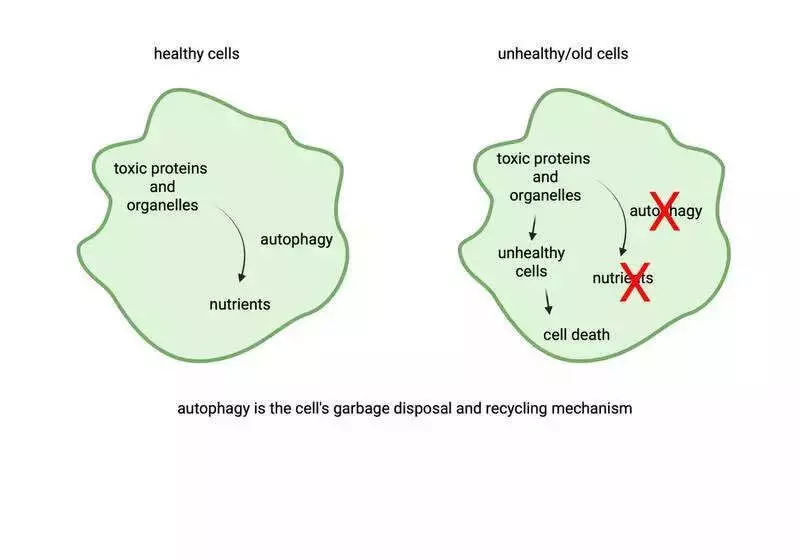
The scientists focused on a vital cellular process called autophagy. Think of autophagy as an internal cleaning service. It constantly removes waste and recycles materials to keep cells functioning properly.
"Autophagy works quietly inside every cell," explained Kiran Nilangekar, the study's lead author. "It removes waste and maintains cellular health. When this system fails, cells begin to age and become susceptible to disease."
Surprising Findings in Germline Stem Cells
The researchers concentrated on germline stem cells, which are particularly important as they produce eggs. They studied these cells in fruit fly ovaries alongside adjacent support cells known as cap cells.
What they discovered was unexpected. The stem cells themselves showed minimal reliance on autophagy. Even when researchers reduced autophagy, the stem cells survived and continued their normal functions.
The Support System Collapses
"The surrounding support cells told a completely different story," said Bhupendra V Shravage, senior scientist and group leader at ARI. "The niche cells were extremely dependent on autophagy. When we disrupted this cleaning process, these cells aged rapidly. They accumulated damage and eventually stopped working."
These support cells play a vital role by sending chemical signals to stem cells. One key signal involves Bone Morphogenetic Proteins (BMPs). These proteins instruct stem cells to remain healthy and prevent them from transforming into other cell types prematurely.
"When autophagy failed in the support cells, BMP signals weakened," Shravage continued. "Consequently, stem cells gradually disappeared. This wasn't because the stem cells were damaged directly. Their support system had collapsed."
Implications for Understanding Ageing
The research offers a new framework for viewing the ageing process. "This shows ageing is not solely about damage inside stem cells," the researchers stated. "It also involves the failure of the 'neighborhood' that supports them. If the environment breaks down, even robust stem cells cannot survive."
Although conducted on fruit flies, the fundamental biological processes examined are similar in humans. Scientists believe these findings could help explain age-related declines in fertility and the degeneration of tissues in organs like skin, intestines, and muscles.
Relevance for India's Future
"As India confronts challenges like rising infertility rates and an ageing population, understanding how support cells fail with age becomes critically important," Nilangekar added. "Protecting these niche cells might one day help us maintain healthier tissues for longer periods."
This Pune-based research provides a significant shift in perspective. It moves the focus from the stem cells themselves to the cellular environment that sustains them. The discovery opens new avenues for exploring interventions that could potentially slow down the ageing process by supporting these crucial niche cells.