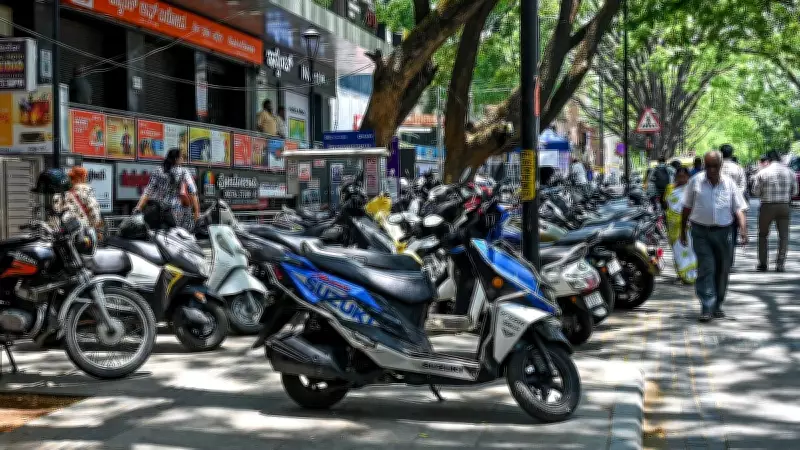
In urban India, the humble footpath has become an afterthought—narrow, broken, encroached upon, or simply absent. Yet, from a public health perspective, pedestrian infrastructure is not a luxury but a fundamental right that must take precedence over motorised vehicle movement. Local bodies should bear an enforceable duty to build and maintain safe, continuous footpaths.
Health Benefits of Walking
Regular walking reduces the risk of non-communicable diseases such as obesity, diabetes, hypertension, and heart disease. The World Health Organization recommends at least 150 minutes of moderate-intensity physical activity per week, and walking is the most accessible form of exercise. However, without safe footpaths, people are discouraged from walking, contributing to sedentary lifestyles and poor health outcomes.
Current State of Footpaths in Indian Cities
According to a 2023 report by the Centre for Science and Environment, over 60% of Indian cities lack adequate footpath networks. Where footpaths exist, they are often blocked by parked vehicles, street vendors, or garbage, forcing pedestrians onto roads shared with fast-moving traffic. This leads to accidents: pedestrian fatalities account for nearly 15% of all road traffic deaths in India, as per the Ministry of Road Transport and Highways.

Legal and Policy Framework
The Supreme Court of India has recognised the right to safe roads as part of the fundamental right to life under Article 21. In multiple judgments, the Court has directed state governments and municipal corporations to provide pedestrian facilities. Yet, implementation remains weak. A 2024 audit by the Comptroller and Auditor General found that only 30% of allocated funds for pedestrian infrastructure were actually utilised by urban local bodies.
Prioritising Pedestrians Over Vehicles
Urban planning must shift from a car-centric to a people-centric model. This means allocating more road space to footpaths, ensuring they are wide enough (at least 1.8 metres as per the Indian Road Congress guidelines), and maintaining them free of obstructions. Local bodies should have a statutory duty to build and maintain footpaths, with penalties for non-compliance. As urban planner Geetam Tiwari notes, “Investing in footpaths is investing in public health. It reduces healthcare costs, improves air quality, and makes cities more liveable.”
Economic and Environmental Impact
Safe footpaths also boost local economies by encouraging foot traffic to shops and markets. A study in Delhi found that streets with well-maintained footpaths saw a 40% increase in retail sales. Environmentally, promoting walking reduces vehicular emissions, helping cities meet their climate goals. Every kilometre walked instead of driven saves approximately 0.2 kg of CO2 emissions.
Call to Action
The government must enact a Pedestrian Rights Act that clearly defines the right of way for pedestrians and imposes enforceable duties on local bodies. Citizens should advocate for footpath audits and report violations through municipal helplines. As Jehosh Paul writes, “This right shall have priority over motorised vehicle movement, with local bodies bearing an enforceable duty to build and maintain pedestrian infrastructure.” Only then can Indian cities become truly walkable and healthy.