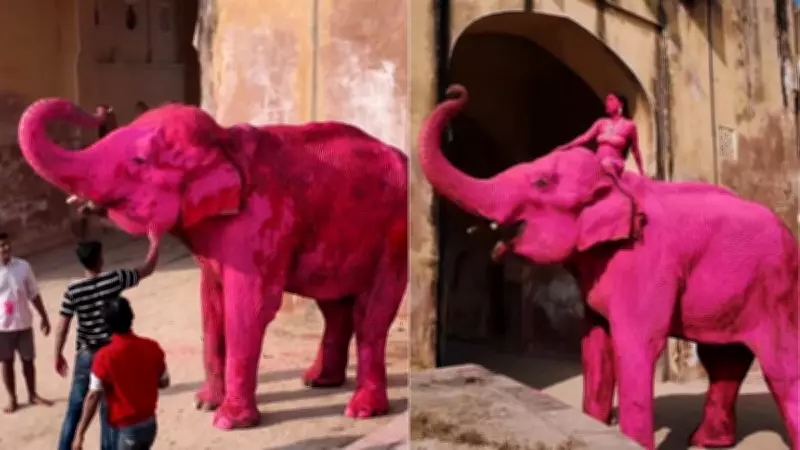
PETA Calls for Withdrawal of Pink Elephant Print Over Paint Health Risks
In a significant move that underscores the intersection of art and public health, People for the Ethical Treatment of Animals (PETA) has formally requested a Russian artist to withdraw a pink elephant print from circulation. The organization cites potential health impacts associated with the paint used in the artwork, raising alarms about the safety of art materials in public spaces.
Health Concerns Prompt Action
The controversy centers on a specific print featuring a pink elephant, created by the unnamed Russian artist. PETA has expressed concerns that the paint chemicals in the artwork could pose health risks to viewers and handlers. While the exact composition of the paint has not been disclosed publicly, the organization argues that certain pigments and solvents commonly used in art can emit volatile organic compounds (VOCs) or contain heavy metals, which may lead to respiratory issues, skin irritation, or long-term health problems with prolonged exposure.
This request highlights a broader issue in the art world: the potential for art materials to impact human health, especially in prints and reproductions that are widely distributed. PETA's intervention suggests that artists and galleries may need to be more vigilant about the materials they use, particularly as awareness of environmental and health hazards grows.

Artist's Response and Industry Implications
As of now, the Russian artist has not publicly responded to PETA's request. The situation raises questions about accountability in the art industry. Should artists be required to disclose the materials used in their works? How can consumers ensure that the art they purchase is safe? These are pressing issues that this incident brings to the forefront.
The call for withdrawal is not just about this single print; it could set a precedent for future cases where health concerns are linked to art. If the artist complies, it might encourage other creators to adopt safer, non-toxic alternatives in their practices. Conversely, resistance could spark debates over artistic freedom versus public safety.
PETA's Stance on Art and Ethics
PETA, known for its advocacy on animal rights, has occasionally ventured into related areas like environmental health. In this case, the organization is leveraging its platform to address potential human health risks, arguing that ethical considerations in art should extend beyond subject matter to include the materials themselves. This aligns with a growing trend where advocacy groups are scrutinizing various industries for health and safety standards.
- Key Points: PETA has asked a Russian artist to withdraw a pink elephant print due to concerns over paint chemicals.
- Health Risks: Potential impacts include respiratory issues and skin irritation from VOCs or heavy metals.
- Broader Context: The incident highlights the need for safer art materials and greater transparency in the industry.
In conclusion, PETA's request to the Russian artist over the pink elephant print serves as a reminder of the hidden health hazards that can lurk in everyday items, including art. As discussions around this issue evolve, it may prompt artists, galleries, and consumers to prioritize safety alongside creativity, potentially leading to stricter regulations or guidelines for art materials in the future.