

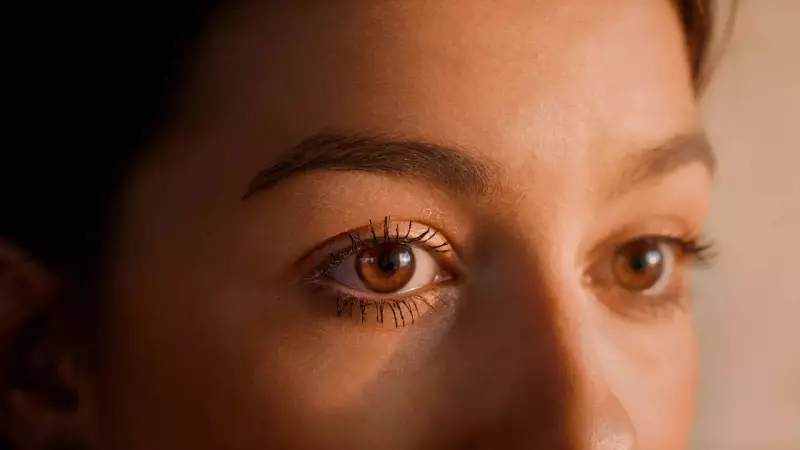
That sudden, uncontrollable fluttering in your eyelid is an experience almost everyone has had. Often dismissed as a sign of stress or tiredness, this minor muscle spasm can sometimes be your body's subtle way of signalling an underlying issue, according to a leading medical expert.
What Exactly Is Eye Twitching?
Medically, an eye twitch is defined as an involuntary and abnormal blinking of the eyelid. As per UCLA Health, this repetitive spasm can occur multiple times throughout the day. While usually a minor nuisance, severe twitching has the potential to temporarily interfere with clear vision.
Dr Saurabh Sethi, a gastroenterologist with training from Harvard and Stanford, recently highlighted this common phenomenon on Instagram. He clarified that the specific twitch affecting the lower eyelid is known as myokymia. "Most people think it is stress, but it could be this instead," Dr Sethi noted, urging people to pay closer attention to persistent cases.

Common Triggers Behind the Twitch
In most instances, eyelid twitching is harmless but undeniably annoying. The gastroenterologist listed several key factors that can provoke these muscle spasms:
Stress and Fatigue: Chronic stress coupled with inadequate sleep can overstimulate nerves, leading directly to involuntary muscle movements like twitches.
Excessive Caffeine: High consumption of coffee, tea, or energy drinks is a well-known trigger for initiating eyelid flutter.
Prolonged Screen Time: Staring at digital devices for hours causes significant eye strain and dryness, which in turn increases the likelihood of experiencing spasms.
Nutrient Deficiencies: Dr Sethi specifically pointed out that low levels of magnesium can lead to muscle twitching throughout the body, including the delicate muscles of the eyelids.
Other potential contributors include eye irritation or dryness, environmental factors like wind and bright lights, alcohol consumption, smoking, certain medications, and conditions like migraines or pink eye.
When Should You Actually Worry?
Occasional twitches that come and go are no cause for alarm. However, Dr Sethi advised seeking medical advice under specific circumstances. "If the twitch lasts more than two weeks, if the eyelid fully closes during a spasm, or if other parts of your face start twitching as well. If it lingers on, check in with your doctor," he recommended.
This guidance aligns with advice from the NHS UK, which states that while twitches are common and rarely serious, a twitch persisting for over two weeks warrants a visit to a General Practitioner (GP).
Disclaimer: This information is for educational purposes only and is not a substitute for professional medical advice. Always consult a qualified healthcare provider for any health concerns or before making changes to your diet or medication.






