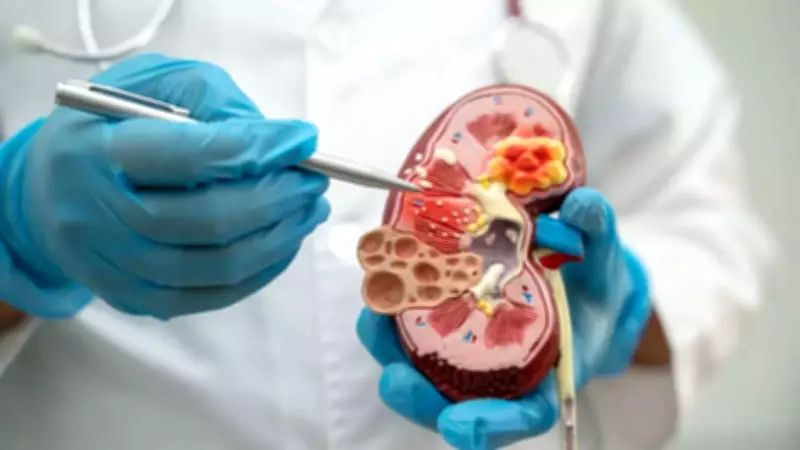
The Hidden Dangers of Winter Self-Medication: A Kidney Health Alert
As winter sets in, many people experience increased aches, pains, and persistent colds. For countless individuals, the initial response to these discomforts is not a visit to the doctor but a quick trip to the kitchen cabinet or local pharmacy for over-the-counter (OTC) relief. While this approach offers convenience, a growing trend of self-medicating with painkillers—particularly Non-Steroidal Anti-Inflammatory Drugs (NSAIDs)—and unverified supplements is quietly fueling a significant public health crisis.
The Kidney Connection: A Vulnerable System at Risk
The most alarming risk associated with frequent use of common painkillers like ibuprofen, diclofenac, and aceclofenac is the potential for irreversible kidney damage. These NSAIDs carry the highest risk of renal dysfunction among all pain relief options and should ideally only be taken under strict medical supervision.
The kidneys serve as the body's essential filtration system, and NSAIDs can restrict blood flow to these vital organs. Many assume that only individuals with pre-existing conditions are at risk, but the reality is more sobering. Even people with perfectly normal renal function can develop kidney damage if these medications are taken for a prolonged period. For those who already have renal dysfunction, the risk of worsening their condition is significantly higher.

The Peril of "Temporary Relief": Addressing Symptoms, Not Causes
The primary danger of self-medicating is that it addresses the symptom rather than the underlying source. It is never advisable to self-medicate for chronic headaches or body aches, as this habit increases the risk of renal damage while leaving the root cause of pain unaddressed.
Seeking a professional diagnosis is crucial. A doctor does not just provide a prescription; they work to find the cause of the pain to manage it appropriately, rather than offering a temporary "band-aid" solution. Furthermore, when painkillers are medically necessary, doctors perform preliminary tests to check renal function, ensuring the dose and duration are tailored to prevent damage.
The Silent Progression: Invisible Kidney Damage
One of the most treacherous aspects of painkiller-induced kidney damage is its invisibility. In the early stages, renal damage often produces no symptoms at all. By the time a person feels "sick," the damage may already be advanced. Diagnosis typically requires specific blood and urine tests.
If you have a history of long-term painkiller use for conditions like joint pain or backaches, it is highly recommended that you have your kidney functions tested immediately. The risk factors are cumulative: the danger increases with age and the duration of use.
Protecting Your Health: A Proactive Approach for Winter Wellness
To enjoy a healthy winter and protect your long-term renal health, consider these essential guidelines:
- Avoid Self-Medication: Never take OTC painkillers without consulting a professional first.
- Be Transparent: Always discuss with your healthcare team exactly how often you are reaching for pain relief.
- Prioritize Hydration: When taking these medicines, staying hydrated is vital to help your kidneys process the medication.
- The "Lowest and Shortest" Rule: Use pain medicines only as directed, using the lowest possible dose for the shortest possible time.
- Regular Check-ups: For those on necessary long-term pain management, regular renal function checks are non-negotiable.
Bottom Line: The Cost of Quick Fixes
While a pill may offer a quick fix for a winter cold or a sore back, the long-term cost to your kidneys can be devastating. True health management involves medical supervision, regular testing, and a commitment to treating the cause, not just the symptom.
About the Author
Dr. M. Navinath – Consultant Nephrologist

With over 7 years of specialized experience, Dr. M. Navinath is a leading nephrologist at AINU Hospitals, Chennai, offering comprehensive care for patients with kidney-related disorders. Holding degrees in MD and DM (Nephrology) from the prestigious AIIMS, along with a DNB and MNAMS, Dr. Navinath stands out for his academic excellence and evidence-based clinical practice. He specializes in general nephrology, chronic kidney disease (CKD) management, and kidney transplantation. His methodical and patient-first approach has made him a trusted name among both patients and peers. Whether it's the long-term care of CKD or the complexities of transplant nephrology, Dr. Navinath brings a balance of precision, compassion, and communication to every consultation. Fluent in English, Tamil, and Hindi, he ensures that patients feel understood and supported throughout their treatment journey. His work at AINU is driven by a commitment to early diagnosis, quality-of-life improvement, and global standards of kidney care.