

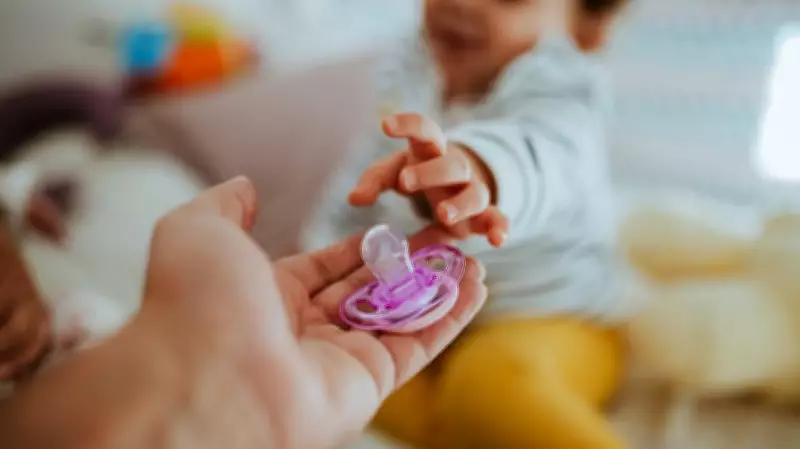
The Hidden Dangers of Prolonged Pacifier Use in Early Childhood
Recent pediatric research has uncovered significant developmental risks associated with extended pacifier use in young children. What many parents consider a simple soothing tool may actually be hindering crucial aspects of their child's growth, from language acquisition to proper dental formation.
Vocabulary Development Takes a Hit
Reduced vocabulary size stands out as one of the most concerning findings. Children who use pacifiers extensively demonstrate smaller overall vocabularies and particular difficulty with abstract words. This occurs because pacifier use reduces the time children spend engaging in verbal interactions and practicing speech sounds.
Oral Health Complications Emerge
The physical impact on oral structures is equally troubling. Prolonged pacifier use reshapes the hard palate, leading to misalignment of teeth and jaws. This can result in dental issues including overbite, crossbite, and other orthodontic problems that may require extensive correction later in life.

Speech Development Disrupted
Proper speech formation depends on precise tongue and lip movements that pacifiers can inhibit. Speech delays and articulation problems frequently appear in children with extended pacifier habits. Additionally, facial expressions during communication may be affected, further complicating social interaction development.
Infection Risks Multiply
Hygiene concerns present another serious dimension. Unsterile pacifiers become breeding grounds for bacteria, increasing risks of:
- Ear infections
- Diarrhea
- Gastrointestinal infections
These health issues stem from higher oral bacteria levels that can spread throughout a child's system.
Breastfeeding Interference
Early introduction of pacifiers can disrupt natural breastfeeding patterns. Babies may confuse sucking for hunger, potentially leading to inadequate nutrition and weight loss. This interference occurs because pacifier use alters the sucking reflex that should be reserved for feeding.
Critical Statistics and Recommendations
The research reveals that pacifier use correlates directly with reduced vocabulary size and underrepresentation of abstract words in developing children. Medical professionals strongly recommend that non-nutritive sucking habits should cease by 36 months to minimize these developmental risks.
Parents and caregivers should be aware that while pacifiers serve temporary soothing purposes, their extended use comes with documented consequences for children's linguistic, dental, and overall developmental health. Monitoring duration and implementing gradual weaning strategies before the three-year mark can help mitigate these risks.






