

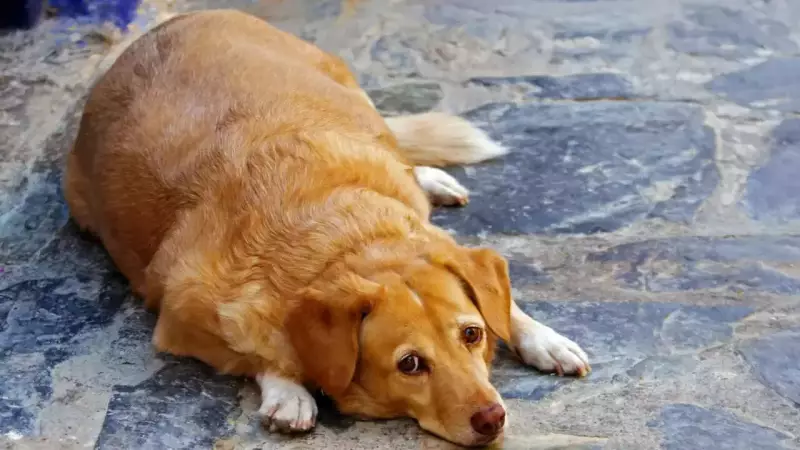
If your social media feed is filled with adorable videos of chubby cats and plump dogs, a new wellness trend might soon make that content scarce. Pet owners are now looking towards a controversial solution inspired by human medicine: weight-loss drugs like Ozempic for their furry companions. Dubbed 'Ozempets' or 'Ozempup', this practice is gaining attention, but veterinary experts are sounding the alarm over its significant dangers.
What Are Ozempets and Why Are They Trending?
The core idea behind 'Ozempets' involves administering versions of human GLP-1 agonist drugs, such as Ozempic (semaglutide), to pets. In humans, these medications mimic a hormone that regulates blood sugar, slows digestion, and suppresses appetite, leading to weight loss. The trend is emerging against a backdrop of rising pet obesity. Studies indicate that up to 65% of dogs in the UK are overweight or obese, a statistic that mirrors a global concern, driving pet parents and biotech firms to seek solutions.
This interest has translated into formal research. In the United States, a pilot study is testing GLP-1 drugs on cats. A startup has begun early trials of a modified GLP-1 treatment for felines under the project nickname "MEOW-1" (Management of Over Weight cats). The UK, which has an estimated 54,500 diabetic cats, many on twice-daily insulin injections, is exploring a six-month injectable implant. For dogs, a version often called 'Ozempup', delivered via a small skin implant, is being researched for a potential release within the next few years.

The Serious Risks and Expert Warnings
Despite the hype, veterinarians and researchers are urging extreme caution. No GLP-1 drug, including Ozempic, is formally approved for routine use in cats or dogs. The fundamental issue lies in biological differences. Pets metabolize drugs differently than humans, and a dose safe for a person could severely damage a pet's liver, kidneys, or digestive system.
There have already been alarming cases where pets given human weight-loss drugs suffered severe side effects. These include vomiting, diarrhea, dangerous hypoglycemia (low blood sugar), lethargy, and emergencies requiring urgent veterinary care. Furthermore, while appetite suppression might help a human choose to snack less, a pet cannot communicate its hunger. This can lead to chronic discomfort, hunger, and even malnutrition. Some past efforts to develop appetite suppressants for pets were abandoned due to such welfare concerns.
Experts stress that using human medications for animals should only happen under strict veterinary supervision and typically when no pet-specific alternative exists. Using these drugs outside controlled trials is undeniably risky.
The Safe and Proven Path to Pet Wellness
So, what should a concerned pet owner do? The advice from the veterinary community is clear: stick to traditional, proven methods. A 2024 study on pet wellness confirms that veterinary-guided weight management plans remain the gold standard. This involves a carefully managed diet, precise portion control, regular physical activity tailored to the pet's ability, and consistent check-ups.
If a pet is seriously overweight, the first and most crucial step is to consult a veterinarian. Together, they can develop a safe weight-loss diet or a structured lifestyle plan. Drug-based shortcuts, while tempting, are unproven and carry a high potential for harm.
The rise of 'Ozempets' reflects a human desire to project our health and aesthetic ideals onto our pets. However, pets are not miniature humans. Their bodies, metabolisms, and needs are distinct. For now, giving them human weight-loss drugs is not just a wrong choice—it is a harmful one. Until robust, long-term studies prove safety and efficacy for animals, the safest route remains responsible care: good nutrition, regular exercise, and plenty of love. A truly healthy pet is not necessarily skinny, but one that is active, joyful, and safe.






