

Optical Illusion Personality Test: What You See First Reveals Hidden Traits
Let's be honest—we've all experienced this moment. You're casually scrolling through your social media feed when one of those "first thing you see" images suddenly appears. Even though we rationally understand this isn't a sophisticated psychological assessment from a prestigious institution, we inevitably pause and engage with the content.
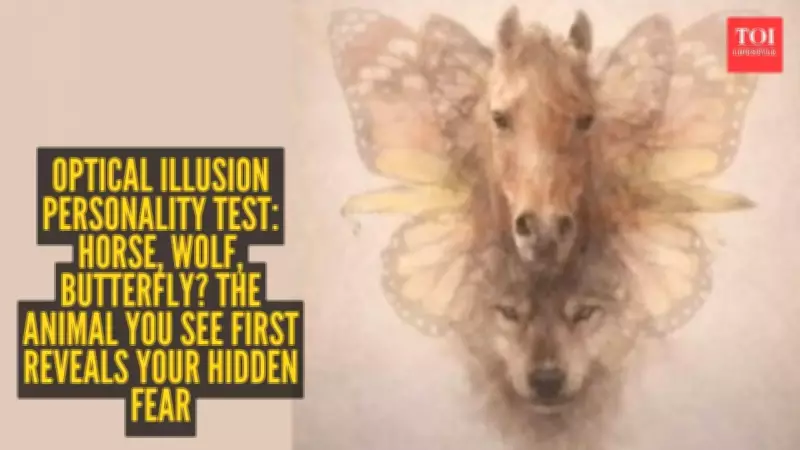
Why does this happen? There's something profoundly satisfying about a simple visual puzzle acting as a reflective surface for aspects of ourselves we typically overlook in our daily lives. This particular optical illusion contains three distinct animals cleverly concealed within its design: a horse, a wolf, and a butterfly. Which creature captures your immediate attention might illuminate what psychologists call a "blind spot"—those subconscious habits or fears that quietly influence our decisions and behaviors from the background.
Before we explore the interpretations, an important disclaimer: this exercise does not constitute a clinical diagnosis. Rather, it serves as a playful yet thought-provoking prompt to encourage self-reflection. It invites you to pause and genuinely ask yourself: "Does this interpretation actually resonate with my experience?"

1. The Horse: The High-Performance "Grinder" Personality
If your visual attention immediately focused on the horse within the optical illusion, you likely navigate through life with remarkable momentum and drive. Horses traditionally symbolize power, stamina, and forward movement—qualities that serve you well until they potentially become problematic.
"Individuals who identify the horse first tend to be those who continuously push themselves, maintain high performance levels, and stay in constant motion even when experiencing significant exhaustion. Your potential blind spot might involve mistaking burnout for genuine ambition," explained a recent post by the Instagram account findingyourselfwithhk that analyzed this phenomenon.
This description resonates deeply with people who wear their fatigue as a badge of honor. You might be the person who consistently agrees to additional projects, volunteers for extra responsibilities, or accommodates late-night requests because you've become accustomed to galloping through your extensive to-do lists. The inherent danger in this pattern is that your impressive drive and productivity might effectively camouflage how genuinely tired you've become. This interpretation serves as a gentle reminder to periodically evaluate whether you're actively pursuing meaningful goals or simply maintaining motion because you've forgotten how to pause and rest.
2. The Butterfly: The Empathetic Peace-Keeper Personality
If the butterfly captured your initial attention within the optical illusion, you probably possess exceptionally high emotional intelligence. You're likely the person friends, family members, and colleagues naturally approach when they need compassionate listening or emotional support. However, this valuable sensitivity comes with its own set of challenges and trade-offs.
"Butterfly-first individuals tend to be emotionally aware, gentle in their interactions, and deeply intuitive. Their potential blind spot involves excessive focus on maintaining harmony, sometimes avoiding necessary discomfort to prevent potential conflict," the analysis continued.
You probably function as the primary "harmonizer" within your social circles or family dynamics. Your sensitivity allows you to detect subtle shifts in a room's emotional atmosphere before anyone verbalizes their feelings. The concerning blind spot associated with this personality pattern involves a tendency to walk on emotional eggshells. In your effort to preserve calm and avoid disruption, you might suppress your authentic opinions, compromise your genuine needs, or sidestep important but potentially awkward conversations. The butterfly symbolism suggests that while peacekeeping represents a valuable social gift, it shouldn't require sacrificing your personal voice or authentic self-expression.

3. The Wolf: The Hyper-Vigilant Guardian Personality
If your eyes immediately identified the wolf within the optical illusion, you likely embody the "protector" archetype in your relationships and environments. You tend to be exceptionally observant, mentally sharp, and practically prepared with contingency plans for various scenarios.
"Wolf-first individuals typically demonstrate protective instincts, heightened alertness, and strategic thinking. Their potential blind spot might involve excessive attempts to control situations that actually require trust and surrender to natural processes," the interpretation noted.
Wolves naturally rely on keen instincts and strong pack loyalty for survival. If this animal resonated with you first, you probably instinctively scan new environments, anticipate potential problems before they materialize, and maintain constant vigilance. These represent valuable survival skills in many contexts, but the associated blind spot involves what psychologists call the "control paradox." Sometimes, the protective impulse to safeguard everything and everyone can transform into an inability to allow events to unfold naturally. This result offers a gentle nudge to examine areas where you might be holding on too tightly due to underlying fears about trusting processes, outcomes, or other people's capabilities.
So, which animal did your perception identify first within this intriguing optical illusion? The answer might provide unexpected insights into your behavioral patterns and subconscious motivations.





