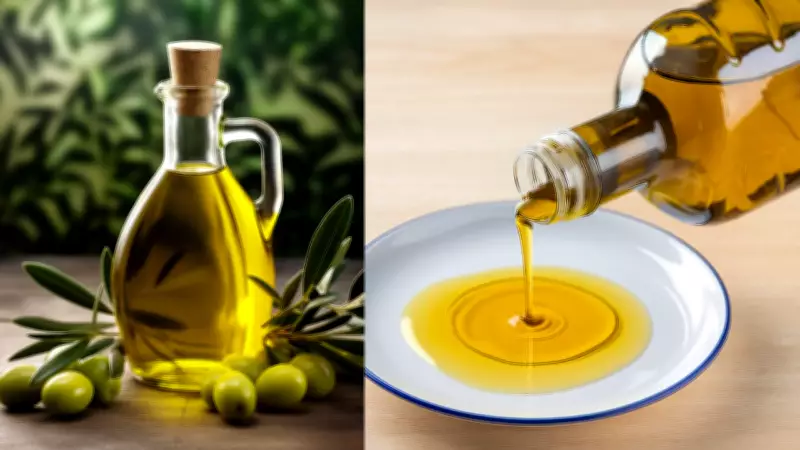
The debate over cooking oils never truly ends. One generation swears by mustard oil because it has nourished families for decades, while another reaches for olive oil after hearing cardiologists praise the Mediterranean diet. Caught between tradition and modern nutrition, many wonder: which oil actually protects the heart better? The answer is not as simple as picking one bottle over another.
Both olive oil and mustard oil possess qualities that can support heart health. However, they work differently, fit into diverse diets, and behave differently when heated. The real conversation is not about which oil is good or bad but about understanding how the body responds to fats, inflammation, cholesterol, and cooking habits over time. Food should nourish and comfort simultaneously, and oils are deeply tied to both.
Why Oils Matter More Than People Realize
For years, fat was treated as the villain of every health problem. Modern nutrition science has shifted the focus from fat itself to the type of fat. The heart struggles when diets are loaded with trans fats, repeatedly reheated oils, or excessive saturated fats. Conversely, unsaturated fats—especially monounsaturated and omega-3 fats—may help improve cholesterol levels and reduce inflammation inside blood vessels.

Olive oil is rich in monounsaturated fats, particularly oleic acid. Mustard oil contains a balance of monounsaturated fats along with omega-3 fatty acids called alpha-linolenic acid (ALA). A large meta-analysis published in the NIH found that higher olive oil consumption was associated with a lower risk of cardiovascular disease. Simultaneously, Indian research has explored mustard oil's potential cardiovascular benefits. Clearly, neither oil deserves to be dismissed casually.
Olive Oil: The Mediterranean Favorite with Strong Science Behind It
Olive oil has built a global reputation largely because of the Mediterranean diet, often linked with longer life expectancy and lower heart disease risk. What makes olive oil stand out is not just its fat profile but its polyphenols—natural antioxidants that may help reduce oxidative stress and inflammation, two processes closely connected with artery damage. Studies have shown that extra virgin olive oil may help improve HDL (good cholesterol) while reducing LDL oxidation, which plays a role in plaque formation.
However, olive oil is not perfect for every Indian kitchen. Many households use oils for deep frying, tadka, or prolonged high-heat cooking. Delicate extra virgin olive oil can lose beneficial compounds under repeated intense heating. Refined olive oil handles heat better but then loses some antioxidant advantage. Additionally, olive oil does not naturally fit every regional Indian dish—a Bengali fish curry or rustic Bihar-style chokha cooked entirely in olive oil may not feel emotionally satisfying. Food habits matter because sustainable eating is more important than short-lived diet trends.
Mustard Oil: The Traditional Indian Oil That Science Is Revisiting
For many Indians, mustard oil is more than an ingredient—it carries memory. The sharp aroma of hot sarson ka tel often reminds people of winter lunches, pickles drying in the sun, or grandparents massaging oil into the scalp. Nutritionally, mustard oil contains monounsaturated fats and offers a relatively good omega-3 to omega-6 balance compared to many common vegetable oils. Omega-3 fats help lower inflammation, directly affecting heart health.
But mustard oil also comes with caution. Traditional mustard oil contains erucic acid, which raised concerns in older animal studies, leading some countries to restrict its edible use. Human evidence remains less definitive, and mustard oil continues to be widely used in India. Experts generally advise moderation rather than excessive daily intake. Another overlooked issue is overheating—many households repeatedly reuse mustard oil for frying, generating harmful compounds that damage blood vessels over time. Even a healthy oil stops being healthy when cooking practices become unhealthy.

Which Oil Is Actually Better for the Heart?
If the question is purely based on scientific evidence around cardiovascular protection, extra virgin olive oil currently has stronger global research support. The evidence linking olive oil to reduced cardiovascular risk is broader, deeper, and more consistent across populations. However, that does not automatically make mustard oil unhealthy. For Indian diets, cold-pressed mustard oil used in moderate amounts can still be part of a heart-friendly lifestyle, especially when meals are rich in vegetables, pulses, whole grains, nuts, and physical activity.
The bigger truth is that no oil alone can save the heart. A person cannot eat ultra-processed food daily, sleep poorly, and avoid exercise, then expect one expensive bottle of olive oil to undo the damage. Heart health depends on the full pattern of living. Nutrition experts suggest that diversity may be smarter than loyalty to a single oil. Rotating oils thoughtfully, avoiding repeated reheating, and controlling quantity may matter more than blindly following trends. Some cardiologists suggest that the healthiest kitchen is not the one with the most imported oil but the one where fresh food is cooked mindfully.
The Healthiest Choice May Depend on Your Kitchen, Not the Internet
A grandmother in Punjab using small amounts of fresh mustard oil in home-cooked meals may have a healthier dietary pattern than someone pouring excessive olive oil over processed fast food. That is the irony modern nutrition keeps rediscovering: health does not come from one ingredient but from habits repeated over years. Olive oil brings strong evidence, especially extra virgin olive oil used in salads, sautéing, and low-to-medium heat cooking. Mustard oil brings cultural familiarity, affordability, and a beneficial fat profile when used carefully and moderately.
Perhaps the better question is not which oil is superior but how the oil is being used. Because sometimes the healthiest kitchens are not the trendiest ones—they are simply the most balanced.
Disclaimer
This article is for informational purposes only and should not be considered medical advice. Dietary needs vary from person to person depending on age, health conditions, medications, and lifestyle. Consult a qualified doctor or registered dietitian before making major dietary changes, especially if dealing with heart disease, high cholesterol, hypertension, or other medical conditions.