

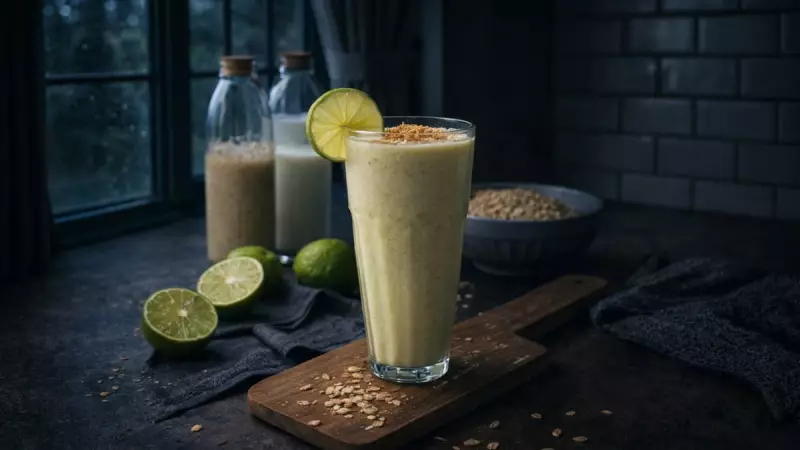
A new viral sensation is sweeping through social media and kitchens across India and the globe, promising a natural shortcut to weight management. Dubbed 'Oatzempic,' this simple oat-based drink is drawing comparisons to prescription weight loss injections like Ozempic and Wegovy, but without the needle. The trend, which exploded on platforms like TikTok in early 2026, has everyone asking: can a blend of oats, water, and lime truly mimic powerful drugs?
What Exactly is the Oatzempic Drink?
The Oatzempic recipe is deceptively simple, which is a key reason for its viral spread. It is not a pharmaceutical product but a homemade concoction. The standard recipe, as shared by countless users, involves blending half a cup of rolled oats with one cup of water and the juice of half a lime. This mixture is consumed as a meal replacement, typically for breakfast, with claims that it promotes significant feelings of fullness and curbs appetite throughout the day.
Its name is a clear play on the blockbuster drug Semaglutide, sold under brands like Ozempic and Wegovy. These GLP-1 agonist injections work by mimicking a hormone that regulates appetite and insulin secretion. While the drink shares no chemical similarity with the drug, it borrows the branding to signal its intended purpose: rapid weight loss. The trend gained massive traction in January 2026, with hashtags like #OatzempicChallenge amassing millions of views.

The Promised Benefits and Viral Claims
Proponents of the Oatzempic drink tout several benefits that have fueled its popularity. The primary claim is that its high fiber content from oats creates a gel-like substance in the stomach, leading to prolonged satiety and reduced calorie intake. Users on social media report quick weight loss results, sometimes mentioning a loss of 18 kg (40 pounds) in two months, though these are anecdotal and not scientifically verified.
Other alleged benefits include improved digestion due to the fiber, a boost in energy from complex carbohydrates, and the detoxifying effects of lime. The drink is also celebrated for being natural, affordable, and accessible, unlike its expensive pharmaceutical namesake which can cost thousands and often faces supply shortages.
Expert Warnings and Crucial Considerations
While the idea of a natural, easy weight loss solution is appealing, nutrition and medical experts urge significant caution. Registered dietitians and doctors highlight several potential risks associated with the Oatzempic trend.
Firstly, the drink is extremely low in protein and essential nutrients. Using it as a meal replacement, especially long-term, can lead to nutrient deficiencies, muscle loss, and a slowed metabolism. The sudden, high influx of fiber can also cause digestive distress like bloating, gas, and constipation for those not accustomed to it.
Most critically, experts emphasize that Oatzempic is in no way a medical equivalent to Semaglutide injections. The drug's mechanism is complex and hormone-based, while the drink relies solely on dietary fiber for fullness. Relying on it for significant weight loss without professional guidance can be ineffective and unhealthy.
Dr. Priya Sharma, a leading endocrinologist from New Delhi, advises, "While oats are a healthy food, this trend oversimplifies weight management. Sustainable weight loss requires a balanced diet, adequate protein, and regular exercise. Such restrictive fads can lead to yo-yo dieting and an unhealthy relationship with food."
The Bottom Line: Fad or Functional?
The Oatzempic drink phenomenon underscores the eternal search for quick fixes in weight loss. It has successfully capitalized on the buzz around pharmaceutical GLP-1 drugs, repackaging a simple oat drink into a viral 'hack.'
Incorporating a high-fiber oat drink into a balanced diet can be a healthy choice, but it is not a magic bullet. The consensus from health professionals is clear: there is no substitute for evidence-based, sustainable lifestyle changes. Before jumping on any viral health trend, especially one that involves replacing meals, consulting with a healthcare provider or a registered dietitian is paramount.

As of early 2026, the Oatzempic wave shows no signs of slowing, proving once again the powerful influence of social media on global health and wellness trends. However, informed caution should always be the first ingredient in any recipe that goes viral.





