

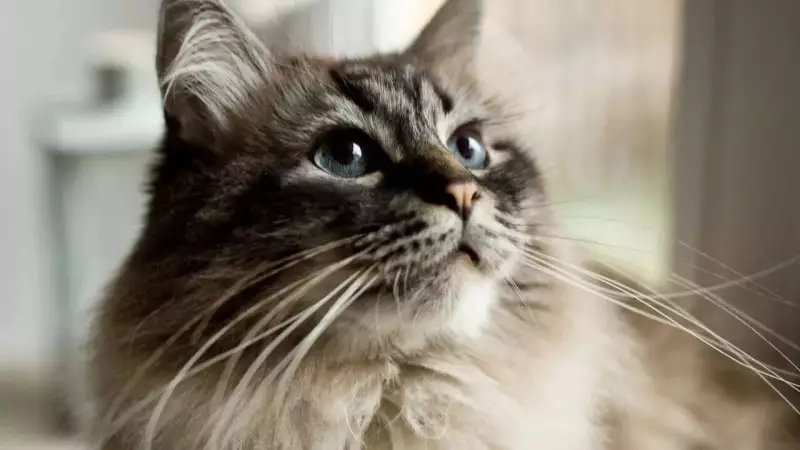
For many Indian pet owners, cats are beloved companions known for their playful antics and graceful presence. However, one of their most remarkable features, the whiskers, is often misunderstood. Far from being simple decorative hairs, whiskers are sophisticated sensory instruments crucial to a cat's confidence and safety. This article explores the vital reasons why you must never trim your cat's whiskers.
The Critical Functions of Cat Whiskers
Whiskers serve as highly sensitive tactile tools, scientifically known as vibrissae. These are not ordinary hairs. They are embedded deep within the skin, surrounded by an extensive network of nerves and blood vessels. This complex structure allows them to detect the slightest touch, vibration, or change in air currents, providing your cat with essential information about its immediate environment.
1. Essential for Spatial Awareness and Judging Distances
One of the whiskers' primary roles is to help cats measure spaces. Before attempting to squeeze through a narrow gap, a cat uses its whiskers to determine if its body will fit. Trimming these natural measuring tools can lead to misjudgment, causing your cat to get stuck or bump into objects, turning familiar spaces into potential hazards.

2. Navigation Aid in Low Light
Cats are crepuscular, meaning they are most active during dawn and dusk. Their whiskers compensate for limited vision in dim light. By detecting subtle air currents and vibrations, whiskers act as a form of biological radar. Removing them can leave your cat disoriented and hesitant to move around in the dark, undermining its natural confidence.
3. Enhancing Hunting and Play
Whether your cat is chasing a toy mouse indoors or stalking prey, its whiskers are actively involved. The tips of the whiskers are so sensitive that they can sense the minute vibrations caused by movement. This sensory input is crucial for precise pouncing and playing. Without fully functional whiskers, your cat may become frustrated or disinterested in activities it usually enjoys.
4. A Key Tool for Emotional Communication
A cat's mood is often reflected in the position of its whiskers. Whiskers pushed forward indicate curiosity or excitement, while whiskers pinned back against the face signal fear or aggression. This is a vital form of non-verbal communication with other pets and humans. Trimming them can mute this language, potentially increasing anxiety and leading to misunderstandings.
5. Maintaining Balance and Coordination
Whiskers are not just on the cheeks; they are also found above the eyes and on the back of the front legs. These specialized hairs provide constant feedback about the cat's body position relative to its surroundings, aiding in balance, especially during complex maneuvers like jumping and climbing.
The Consequences of Trimming Whiskers
Many well-intentioned pet parents might consider trimming unruly whiskers, believing them to be like regular fur. This is a harmful mistake. Cutting a cat's whiskers is akin to temporarily blinding them. The immediate effects can include:
- Difficulty navigating through tight spaces
- Bumping into furniture and walls
- Reluctance to jump or climb
- Signs of stress, anxiety, and withdrawal
Although whiskers do eventually grow back, the regrowth period can last several weeks. During this time, your cat may feel insecure and disoriented in its own home.
What to Do If Whiskers Are Damaged
Whiskers can sometimes break or fall out naturally. If this happens, you can support your cat by making its environment safer and more predictable. Keep the home layout consistent, avoid moving furniture, and use nightlights in dark hallways. Be patient and understanding if your cat becomes more clingy or cautious. If you notice extreme behavioral changes, consulting a veterinarian is always recommended.
In conclusion, a cat's whiskers are fundamental to its well-being. They are intricate sensory organs that guide, protect, and help your feline friend communicate. Respecting their wholeness is a key part of responsible pet ownership in India, ensuring your cat leads a confident, happy, and safe life.






