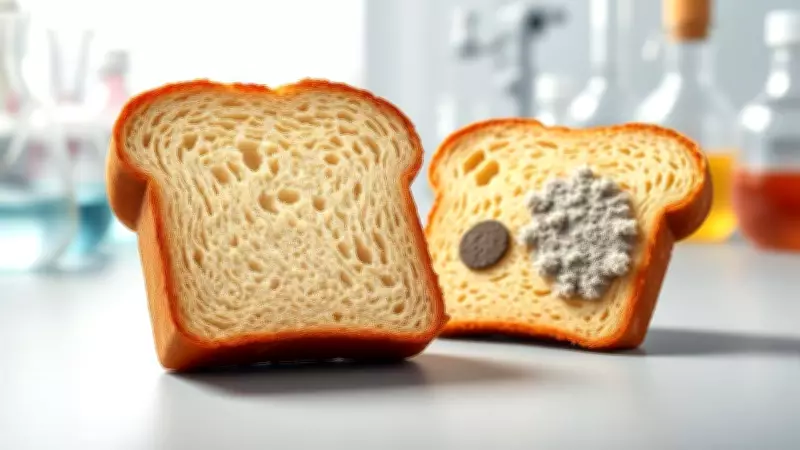
There's always that feeling of sadness when you dip your hand in the breadbox early in the morning and feel something that is either tough as stone or has green and fuzzy spots of mold. Bread, which means comfort to millions, is actually one of the most unpredictable ingredients in our kitchen cabinets. It's easy to think we are at fault because we couldn't eat the entire loaf, but in reality, bread starts battling itself and the elements from the moment it comes out of the oven.
While larger-scale bakeries tend to use preservative chemicals to prolong product life, many amateur bakers and consumers are looking for a natural solution to keep their bread moist and fresh. To begin, it is necessary to understand the reasons behind bread spoilage to develop an appropriate recipe for long-term preservation without resorting to numerous additives.
Science Behind the Sandwich Sealed Bread
There are generally two factors involved in bread spoilage: staleness and mold. The former is a physical process involving moisture migration from the dough interior to its surface, leading to starch crystallization and crumb solidification. Mold is a biological agent that thrives on the moisture and alkaline environment of freshly baked bread.

In a remarkable experiment published in Coatings, scientists discovered an interesting packaging trick that could change how we preserve our daily supplies. The new packaging material consisted of layers of sandwiched paperboard, one of which contained a special layer of starch and salt. This internal layer absorbed excessive moisture that causes mold but retained just enough moisture to prevent the bread from turning into croutons. Embracing these ancient, scientifically backed methods offers a natural solution to prolong bread's life and reduce waste.
According to the study, a combination of salt and starch as a barrier material, along with an outer protective layer, can maintain freshness in bread even after 72 hours compared to conventional paper bags. With moisture content maintained at 70%, the packaging mimics the ideal environment for bread preservation.
Natural Fermentation – An Inbuilt Protector
While packaging serves as an external shield, fermentation acts as an internal one. In an era before plastics or chemicals, ancient bread makers relied on sourdough fermentation to increase bread's shelf life for weeks.
An article titled A Comprehensive Review on Bio-Preservation of Bread explains how using a sourdough culture is akin to immunizing bread. During fermentation, specific strains of lactic acid bacteria produce organic acids and antimicrobial peptides, which act as a protective layer by reducing the pH of bread to a level where molds and bacteria cannot survive. The study notes that certain strains, such as Lactobacillus plantarum, can inhibit fungal growth for up to 21 days. Beyond fighting mold, these natural bacteria also modify gluten and starch structure during rising, which naturally slows down the staling process. This is why a traditional sourdough loaf often stays fresher much longer than a standard white loaf made with commercial yeast.
In combination, this approach offers an effective strategy for preserving bread while leveraging intelligent moisture management and the natural preservative nature of fermentation. Ignore the marketing rhetoric around clean labels and embrace old-school methods with scientific advancements. This will reduce waste and prolong the life of your tasty bread without unnecessary ingredients; it's all about taking care of your sourdough and adding a little salt.