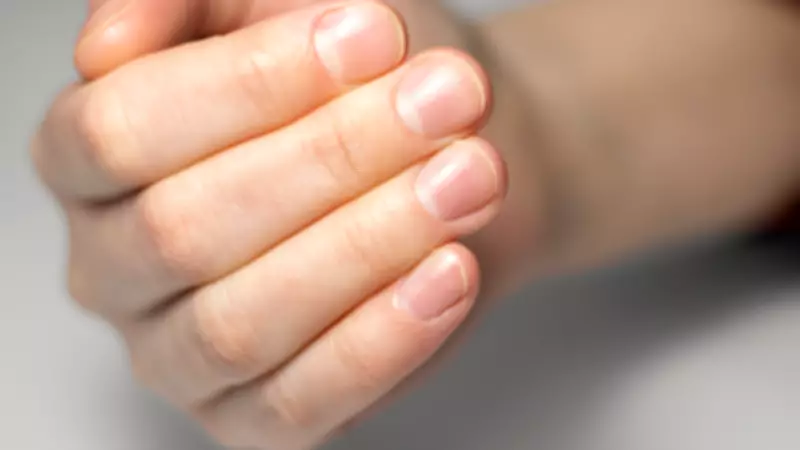
Your Nails as Silent Health Messengers: What They Reveal About Your Body
Hands are often viewed as symbols of grooming and personality, but medical experts emphasize that nails serve a far more critical role than merely enhancing appearance. They act as quiet reflectors of internal bodily processes, offering subtle clues about overall health. Nails grow at a slow rate of approximately three millimeters per month, and this gradual development allows them to record changes in the body over time. Variations in color, shape, thickness, or texture can sometimes indicate deeper health issues that warrant attention.
Expert Insights on Nail Health and Systemic Conditions
Dr. DM Mahajan, Senior Consultant in Dermatology at Indraprastha Apollo Hospitals, highlights the importance of monitoring nails for health indicators. "Nails are not just for beauty; they provide vital clues about our well-being," he explains. "Changes in color, shape, texture, or thickness can reflect various conditions that should not be overlooked. For example, pale or spoon-shaped nails may signal iron-deficient anemia, while yellow and thickened nails could indicate fungal infections or respiratory problems. Dark streaks or discoloration might point to more serious issues."
Medical research supports this connection between nail health and systemic diseases. According to the US National Library of Medicine (NIH), nail alterations can sometimes reveal nutritional deficiencies, heart disease, lung disorders, and metabolic conditions. Recognizing these signs does not equate to self-diagnosis but encourages awareness of what the body might be communicating.

Specific Nail Changes and Their Potential Health Implications
Pale or Spoon-Shaped Nails: Often associated with low iron levels, this condition, known as koilonychia, involves nails becoming pale, thin, and curving inward like a spoon. Iron is crucial for oxygen transport in the blood, and deficiencies can lead to changes in nail growth due to reduced circulation. Addressing iron levels through diet or treatment typically helps restore normal nail health over time.
Yellow and Thickened Nails: Commonly linked to fungal infections, especially when accompanied by brittleness or crumbling. However, doctors also consider deeper issues when yellow nails appear alongside breathing difficulties or persistent swelling. Yellow nail syndrome, a rare condition, has associations with lung diseases like bronchiectasis and lymphatic problems, as noted by the US National Institutes of Health. Persistent color changes should prompt medical evaluation.
Dark Streaks or Unusual Pigmentation: A thin dark line on the nail might seem harmless, but dermatologists monitor such streaks closely. While some result from benign pigmentation or minor injuries, others could indicate melanonychia, which in rare cases may be linked to skin cancers like subungual melanoma. The National Cancer Institute advises that melanoma under the nail often presents as a dark vertical band that widens or changes shape, necessitating prompt assessment if pigmentation spreads or becomes irregular.
Clubbed Nails: Characterized by enlarged fingertips and nails curving downward like a dome, clubbing often develops gradually and is tied to chronic oxygen shortages in the blood. It can occur in individuals with long-term lung diseases, congenital heart conditions, or inflammatory bowel disease. Dr. Mahajan notes, "Nail clubbing, resulting from fingertip enlargement with nails curving over them, can reflect lung or heart issues."
Brittle or Ridged Nails: Vertical ridges or brittle nails that break easily may stem from aging but can also hint at nutritional gaps. Deficiencies in biotin, zinc, iron, and protein can weaken nail structure, while thyroid disorders and prolonged stress may affect growth. Dr. Mahajan adds, "Brittle or ridged nails may reflect conditions like nutritional deficiencies, thyroid problems, or stress."

Distinguishing Harmless Changes from Concerning Ones
Not all nail alterations indicate disease; factors like aging, frequent handwashing, exposure to nail polish chemicals, or mild trauma can influence texture and color. However, doctors emphasize vigilance when changes are persistent, painful, or sudden. Dr. Mahajan advises, "While many nail changes are harmless due to aging, lifestyle, or mild infections, persistent or unusual changes should not be ignored. Nails grow slowly, so alterations can reflect bodily changes over time. Sudden shifts in color, thickness, nail separation, or painful swelling warrant a dermatologist's evaluation for proper diagnosis and treatment." A simple check by a dermatologist can help rule out serious causes and identify treatable conditions early.
The Body's Subtle Daily Signals Through Nails
Nails often go unnoticed until something appears amiss, yet they quietly document the body's internal narrative. Shifts in color, new ridges, or changes in shape may reflect aspects of nutrition, circulation, or long-term health. Observing these signs does not replace medical testing but fosters greater health awareness. Sometimes, the most telling signals are right at your fingertips.
This article incorporates expert insights from Dr. DM Mahajan, Senior Consultant in Dermatology at Indraprastha Apollo Hospitals, explaining how nail changes can signal underlying health issues and the importance of consulting a doctor for unusual or persistent alterations.