

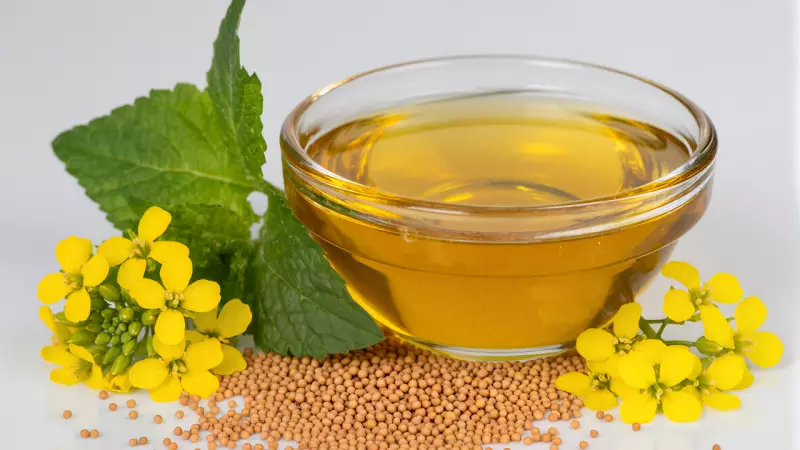
As winter mornings bring stiff, aching joints, many across India instinctively turn to a familiar kitchen companion: mustard oil. The ritual of warming this pungent oil for a soothing massage is a deeply ingrained practice passed down through generations. But does this traditional method offer genuine therapeutic relief for conditions like arthritis, or is it merely a comforting placebo? We delve into the blend of ancestral wisdom and modern scientific research to find answers.
The Science Behind the Warmth: How Mustard Oil Works
The immediate sensation of warmth upon applying mustard oil is not just an illusion. It is primarily driven by a natural compound called allyl isothiocyanate. This agent stimulates blood flow to the applied area, creating a warming effect that can help loosen stiff joints and muscles. Furthermore, the oil is rich in fatty acids, which nourish and soften dry, winter skin, making the massage itself more comfortable and moisturizing.
Clinical Evidence: What Research Reveals About Pain Relief
Several small-scale studies have investigated the efficacy of mustard oil for joint pain, with promising results. A notable 2014 trial conducted by Remya Mohan and Renuka K. involved 60 women suffering from knee osteoarthritis. The participants used warm mustard oil massages, and the findings indicated a shift in pain levels from moderate to mild on standardized WOMAC scales. The study noted that adding camphor enhanced the beneficial effects.

Further supporting evidence comes from a 2021 study on 70 patients. This research compared mustard oil rubs infused with garlic against standard care. The group using the mustard-garlic blend reported a significantly greater reduction in pain scores (3.51 versus 4.34, with a p-value of 0.038). Additionally, a 2019 study focusing on elderly participants observed noticeable relief after two weeks of daily application. While these pilot studies are encouraging for managing mild to moderate aches, researchers agree that larger, more comprehensive trials are needed to conclusively validate these benefits.
A Step-by-Step Guide to the Perfect Home Massage
Performing this remedy correctly is key to its potential benefits. Follow this simple, soothing routine:
- Prepare the Oil: Gently warm about two tablespoons of cold-pressed mustard oil on low heat. Ensure it is comfortably warm to the touch, not hot or scalding.
- Add Enhancers (Optional): For added effect, you can mix in a pinch of crushed garlic or a small piece of camphor.
- Massage Technique: Apply the warm oil to clean, dry joints. Using your palms, massage with gentle, firm, circular motions, moving upwards. Continue for 10 to 15 minutes.
- Lock in the Warmth: After massaging, wrap the joint in a warm, dry towel for about 20 minutes to allow the heat to penetrate deeply.
- Rinse: You can rinse off any excess oil with lukewarm water if desired. Practicing this twice daily, perhaps as a morning ritual or evening wind-down, can yield the best results.
Important Precautions and When to Avoid It
While generally safe for most people, this remedy is not universal. The pungent compounds can cause redness or irritation on sensitive skin, so conducting a patch test on a small area first is crucial. Avoid using mustard oil massage on open wounds, cuts, skin infections, or joints that are acutely swollen and inflamed, particularly in conditions like rheumatoid arthritis, as heat can sometimes exacerbate inflammation. Most importantly, if joint pain is severe, persistent, or linked to an underlying medical condition, consulting a healthcare professional is essential for proper diagnosis and treatment.
The enduring popularity of mustard oil for joint care is a testament to its perceived benefits. While modern science begins to catch up with this ancient wisdom, suggesting genuine analgesic potential, it works best as a complementary approach for mild discomfort. It stands as a beautiful example of how traditional home remedies and contemporary research can inform a holistic path to wellness.






