Pre-Monsoon Motorcycle Maintenance: Essential Checks for Safe Riding
As the monsoon season approaches, riders must perform a series of preventive maintenance checks to enhance safety and reduce the risk of breakdowns. Wet roads, reduced visibility, and waterlogged stretches place additional strain on motorcycles and scooters, making preparation vital before the rains arrive.
Tyres and Brakes
Tyres should be among the first components inspected. Adequate tread depth and correct tyre pressure are essential for maintaining grip on wet surfaces. Sidewalls should be checked for cracks, cuts, or other signs of damage. Brakes also require attention ahead of the rainy season. Riders should inspect brake pads, discs, and fluid levels. Motorcycles equipped with drum brakes should be checked for proper adjustment. Any unusual noises or a spongy brake feel must be addressed immediately.
Drive Chain and Lighting
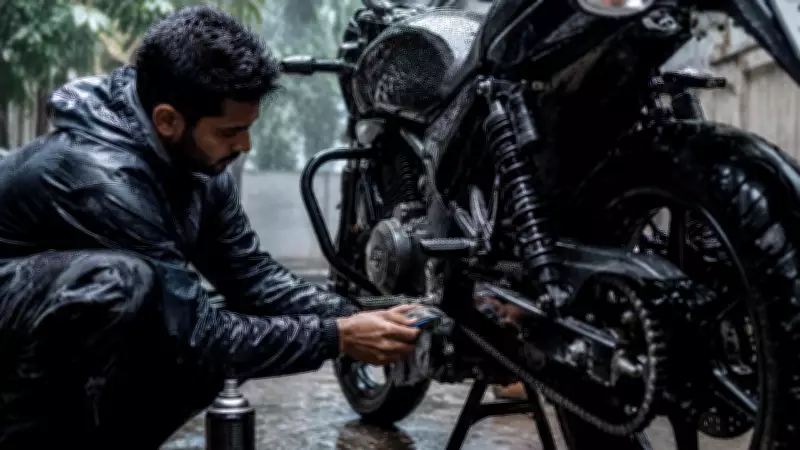
The drive chain is another area affected by rain and road grime. Cleaning and lubricating the chain before the monsoon, and repeating the process regularly during the season, helps prevent rust and premature wear. Visibility is equally important during heavy rainfall. Headlamps, tail-lamps, brake lights, and indicators should be checked to ensure they function correctly. Riders should also keep light lenses clean and free from dirt buildup.

Battery and Electrical Systems
Battery health should not be overlooked. Corroded terminals, weak batteries, and loose connections can cause starting issues, particularly during prolonged wet weather. Inspecting the battery before the rains begin helps avoid unexpected problems. Modern motorcycles rely heavily on electronic systems. Visible wiring and electrical connectors should be examined for damage and secured properly to minimize the risk of water-related electrical faults.
Suspension, Steering, and Cleaning
Suspension and steering components should be inspected as well, especially since potholes become more common during monsoon. Riders should look for suspension oil leaks, worn components, and excessive play in the steering system. Regular cleaning also helps protect a motorcycle during the rainy season. Mud, standing water, and road contaminants can accelerate corrosion if left unattended. Washing the vehicle and drying it thoroughly helps preserve components and makes maintenance easier.
Riding Gear and Precautions
Apart from preparing the motorcycle, riders should equip themselves with suitable riding gear. A rain suit, waterproof gloves, riding boots, and a clear helmet visor improve comfort, visibility, and safety in wet conditions. Finally, riders should avoid waterlogged roads wherever possible. Deep water can conceal potholes and debris while also affecting braking performance and electrical systems. If crossing standing water is unavoidable, proceed slowly and apply the brakes lightly afterwards to restore effectiveness.
By addressing these areas before the rains begin, riders can reduce the likelihood of mechanical issues and improve overall safety. Regular attention to tyres, brakes, lights, battery condition, and chain maintenance helps ensure a smoother riding experience throughout the monsoon season.