

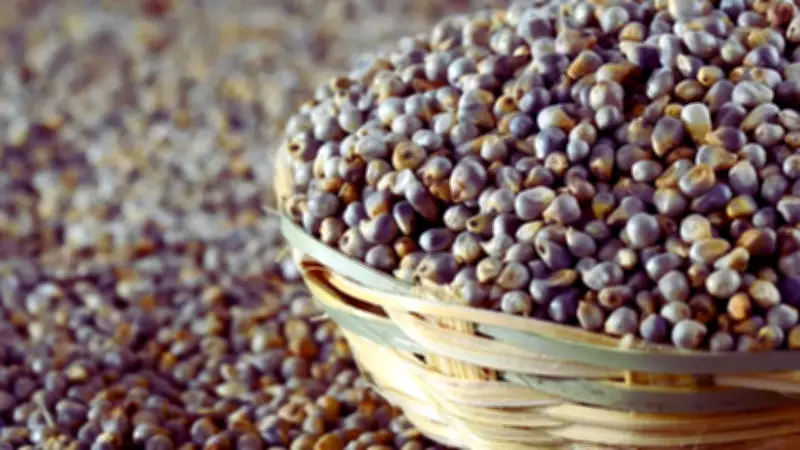
Millets May Combat Hidden Hunger: Study Shows Nutrient Boost Beyond Supplements
India has largely overcome food shortages, but a more insidious crisis lingers—hidden hunger. Many individuals consume sufficient calories yet lack essential nutrients like iron, vitamin D, and vitamin B12. This deficiency can lead to fatigue, weakened immunity, and anaemia, even among those who appear outwardly healthy.
Pilot Study Highlights Role of Traditional Grains
A recent pilot study conducted by the Celiac Society of India, in collaboration with AIIMS Delhi and the National Association of the Blind (NAB), suggests that reintroducing traditional grains like millets into daily diets could help address this nutritional gap. The research indicates that millets, when combined with supplements, may offer enhanced benefits.
The two-month study involved 54 adult residents at NAB in Delhi, including 42 women. Participants were divided into two groups: both received vitamin D, vitamin B12, and multivitamin supplements, but one group also had part of their wheat-based meals replaced with millet dishes such as ragi, bajra, and jowar. Blood samples were analysed before and after the intervention to assess changes in key nutritional markers.

Findings Point to Enhanced Nutrient Absorption
While supplements improved vitamin levels across all participants, those consuming millet-based meals showed slightly stronger gains in some markers, particularly among women. Although based on a small sample, the findings suggest that diet quality plays a potentially meaningful role in improving nutritional outcomes.
Experts note that the results underscore the importance of diet diversity, which has declined since the Green Revolution shifted focus toward rice and wheat. Millets, once widely consumed, are rich in fibre, iron, and B-vitamins, and are naturally gluten-free. Researchers observed that while millets do not directly provide vitamin D or B12, they may help the body utilise nutrients more effectively, possibly by improving overall diet quality and gut health.
Broader Health Benefits Observed
A similar trend was noted in haemoglobin levels, which improved among several women in the millet group, even though iron stores did not change significantly over the short study duration. Participants also reported better energy, mood, and overall wellbeing.
Nutritionist Ishi Khosla commented that replacing wheat with millets improved the overall nutritional profile and energy levels of participants. Shalini Khanna, director of the NAB India centre, added that women showed visible improvements in strength, focus, and performance, though cost remains a challenge for scaling such diets. She emphasised that the study reinforces a simple message: supplements help correct deficiencies, but diet still matters profoundly.
This research highlights a potential pathway to tackling hidden hunger through dietary adjustments, advocating for a return to nutrient-dense traditional foods in modern nutrition strategies.






