

Weight Loss Without Hunger: Foods That Keep You Full Longer
Struggling with hunger pangs while trying to lose weight? You are not alone. Many people find that traditional dieting methods leave them feeling deprived and constantly hungry, which can lead to overeating and frustration. However, there is a smarter approach to weight loss that focuses on consuming low-calorie, high-volume foods. These foods help you feel full and satisfied without packing on extra calories, making it easier to stick to your diet and achieve your goals.
What Are High-Volume, Low-Calorie Foods?
High-volume, low-calorie foods are those that have a large portion size relative to their calorie content. They are typically rich in water, fiber, and air, which add bulk to your meals without significantly increasing calorie intake. By incorporating these foods into your diet, you can eat more while consuming fewer calories, effectively reducing hunger and promoting weight loss.
Top Foods to Keep You Full Longer
Here are some excellent high-volume, low-calorie foods that can help curb your appetite and support your weight loss journey:

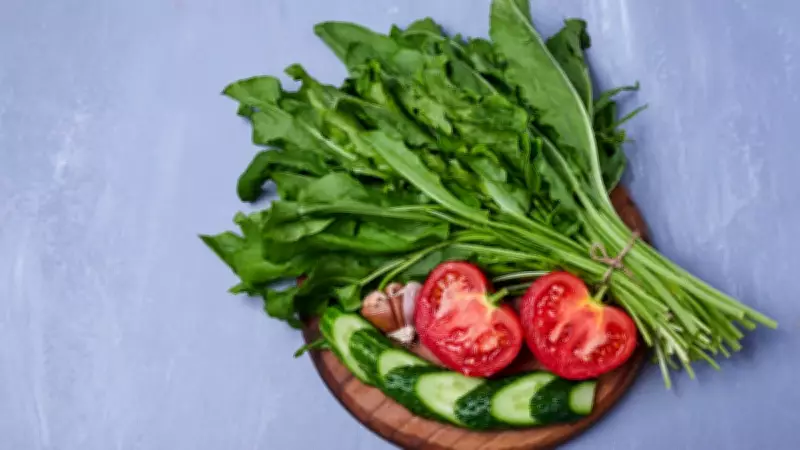
- Vegetables: Leafy greens like spinach, kale, and lettuce are packed with fiber and water, making them ideal for adding volume to meals. Other great options include broccoli, cauliflower, and bell peppers.
- Fruits: Watermelon, strawberries, and oranges are high in water content and fiber, helping you feel full with minimal calories. Apples and pears are also excellent choices due to their fiber-rich skins.
- Whole Grains: Foods like oatmeal, quinoa, and brown rice are high in fiber and take longer to digest, keeping you satisfied for extended periods.
- Legumes: Beans, lentils, and chickpeas are rich in protein and fiber, which promote satiety and reduce hunger cravings.
- Soup and Broth-Based Dishes: Starting a meal with a broth-based soup can help fill you up with fewer calories, as the liquid adds volume without excess energy.
How to Incorporate These Foods into Your Diet
To effectively reduce hunger while dieting, consider these practical tips for including high-volume, low-calorie foods in your daily routine:
- Start with a Salad: Begin your meals with a large salad made from leafy greens and non-starchy vegetables. This can help you eat less of higher-calorie foods later.
- Snack Smart: Choose fruits or raw vegetables as snacks instead of processed options. They provide volume and nutrients without empty calories.
- Add Vegetables to Every Meal: Bulk up your dishes by adding extra vegetables to soups, stews, stir-fries, and casseroles.
- Stay Hydrated: Drink plenty of water throughout the day, as dehydration can sometimes be mistaken for hunger. Herbal teas and infused water are also great options.
- Focus on Fiber: Aim to include fiber-rich foods in every meal to slow digestion and keep you feeling full longer.
The Science Behind Satiety and Weight Loss
Research shows that foods with high water and fiber content can increase satiety and reduce overall calorie intake. For example, a study published in the Journal of Nutrition found that participants who consumed high-volume foods ate fewer calories throughout the day compared to those who ate energy-dense foods. This approach not only aids in weight loss but also supports long-term health by promoting a balanced diet rich in essential nutrients.
Common Mistakes to Avoid
While focusing on high-volume foods, it is important to avoid these pitfalls:

- Overeating Healthy Foods: Even low-calorie foods can contribute to weight gain if consumed in excessive amounts. Practice portion control.
- Ignoring Protein: Protein is crucial for satiety and muscle maintenance. Include lean protein sources like chicken, fish, tofu, or legumes in your meals.
- Skipping Meals: This can lead to intense hunger and overeating later. Instead, eat regular, balanced meals with high-volume components.
- Relying Solely on Volume: Ensure your diet includes a variety of nutrients to support overall health, not just volume for fullness.
Conclusion: Sustainable Weight Loss Without Hunger
Losing weight does not have to mean constant hunger and deprivation. By incorporating high-volume, low-calorie foods into your diet, you can feel full and satisfied while reducing your calorie intake. This approach not only makes dieting more manageable but also promotes healthier eating habits that can last a lifetime. Remember to combine these foods with regular physical activity and adequate hydration for optimal results. With the right strategies, you can achieve your weight loss goals without the struggle of hunger pangs.





