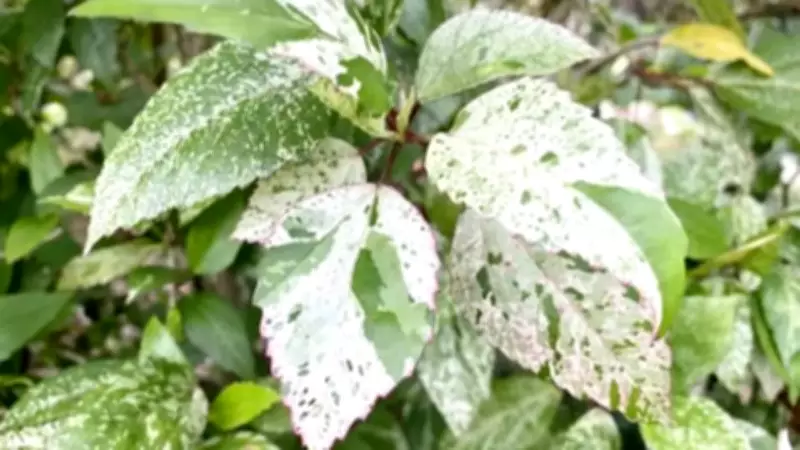
Gardeners often worry when leaves develop a white, chalky, or powdery appearance. While many attribute this to dust or sunburn, it is typically a sign of underlying plant problems that require attention. These issues include contagious fungal infections that can weaken the plant, slow its growth, and even lead to death.
Powdery Mildew: The Most Common Cause
The primary reason for white discoloration on plants is powdery mildew, a fungal disease that appears as a white-gray powder on leaves, stems, and buds. This condition thrives in hot, dry climates with poor air circulation around the foliage. Initially, it may show as small spots, but it can quickly cover the entire leaf surface.
Poor Air Circulation Around Plants
Environmental factors such as inadequate air circulation contribute to chalky white leaves. When plants are spaced too closely, excess humidity promotes fungal and mold growth. Gardeners should maintain proper distances between bushes and prune branches to improve airflow.

Overhead Watering Mistakes
Watering methods can exacerbate the problem. Pouring water over the tops of plants leaves moisture on leaves throughout the day, creating favorable conditions for fungi. Experts recommend using drip irrigation or watering at the base in the morning to minimize moisture accumulation.
Nutrient Imbalance in Soil
Sometimes, a chalky white color indicates nutrient deficiencies, such as a lack of magnesium or nitrogen. Leaves may appear pale due to insufficient essential elements. Applying organic compost can balance soil minerals and prevent such symptoms.
Excessive Sunlight and Heat Stress
Some plants suffer when exposed to direct sunlight for prolonged periods. Under heat stress, they cannot produce enough chlorophyll, causing leaves to lose their green color and turn white. Relocating these plants or providing shade during the hottest part of the day can help.
How to Treat and Prevent the Problem
Immediate action is necessary to prevent the spread of infection. Gardeners should remove affected leaves, apply fungicides to eliminate fungi, and ensure proper watering and nutrient levels. Consistent care will prevent future issues and promote healthy plant growth.