

The Hidden Benefits of Children's Repetitive Media Habits
"I'm done hiding, now I'm shining like I'm born to be..." If you're a parent of young children, this line from the film KPop Demon Hunters has likely become an inescapable soundtrack to your daily life. Whether playing in the car, on devices, or echoing quietly in your mind during chores, this song captivated children throughout 2025 and continues into the new year. While parents might feel exasperated by the constant repetition, emerging research reveals that this behavior offers significant developmental advantages for both children and adults.
The Science Behind Repetition and Learning
A 2024 experimental study published in the academic journal ReCALL, titled Vocabulary Learning Through Viewing Dual-subtitled Videos, demonstrated that repeated viewings of dual-subtitled videos resulted in better vocabulary acquisition and retention compared to single viewings for language learners. This finding underscores how repetition enhances cognitive processing and memory formation.
Dr. Rachana Gopalakrishna, a consultant neurodevelopmental and behavioural paediatrician at Rainbow Hospital in Bengaluru, explains that children inhabit a world where novelty is constant. Returning to familiar content provides a sense of predictability and control, which fosters emotional calmness. "Many parents worry when their child asks for the same story night after night or wants to watch the same cartoon repeatedly. But for a child, familiar stories feel like a warm blanket—predictable, safe and reassuring," she notes.

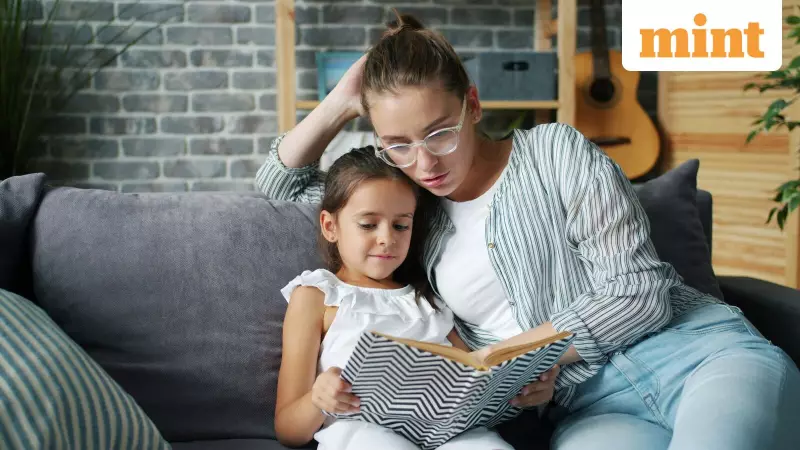
Supporting this, a longitudinal study published in Reading and Writing in 2024, titled Reciprocal Relationships among Reading and Vocabulary Over Time: A Longitudinal Study from Grade 1 to 5, tracked children from first to fifth grade. It found that those who reread familiar books developed stronger vocabularies, highlighting the educational value of repetition.
The Mere Exposure Effect in Action
Psychologists identify this phenomenon as the mere exposure effect, where repeated exposure to an experience cultivates preference and comfort. First described by psychologist Robert Zajonc in 1968, it explains why initially disliked tunes become enjoyable, familiar movies soothe during stress, and children delight in revisiting the same books. Classic series like The Famous Five or Harry Potter often become repeated favorites, offering solace and engagement.
Padma Srinivasan, an educator and mother to a nine-year-old, observes that children's shows are rich with character depth. "My daughter loves the unicorns and their special powers in the Unicorn Academy series, as well as the strong bonds between the girls. Each time she rewatches it, she notices something new. Those stories and values stay with her a little more," she shares. This repeated engagement often leads children to finish sentences, repeat dialogues, or act out scenes, which Dr. Gopalakrishna praises as "wonderful signs of learning and imagination at work."
Balancing Screen Time and Intellectual Growth
Despite the benefits, concerns about screen overexposure persist. The Indian Academy of Pediatrics provides clear guidelines: avoid screen exposure for babies and toddlers under two, except for occasional video calls; limit screentime to one hour daily for ages two to five; and ensure older children and adolescents balance media consumption with physical activity and adequate sleep.
Children's story writer Ashrafi Antia has witnessed the advantages of repetition both personally and professionally. "When she was small, my daughter loved listening to the same stories. Even in my experience as an author, and through interactions during storytelling sessions, I've observed that the impact of a good tale deepens with repetition," she states. "When children return to a story, they not only relive its emotions but begin to notice new details, ask questions and engage more thoughtfully with the narrative. This supports both cognitive and emotional growth."

When Repetition Becomes Excessive
Dr. Gopalakrishna advises parents to monitor for signs of over-reliance, such as distress when routines change, refusal to engage in other play, or prolonged insistence on one specific show or book. "Parents should trust their instincts if something feels off. If accompanied by poor eye contact, limited communication, lack of pretend play, or reduced interest in people, seeking evaluation from a developmental pediatrician early can be helpful. But in most cases, this phase is a normal part of growing up and passes naturally," she concludes.
From babbling first words like 'mamma' and 'papa' to rereading books and singing favorite songs, repetition is intricately woven into childhood learning. It not only provides comfort but also gently guides curious minds to comprehend the world at their own pace, step by step.
Encouraging Re-reading in Young Children
While children eagerly rewatch shows, encouraging them to reread books may require parental effort. Here are some effective strategies:
- Space Out Books: Reintroduce the same book after a gap, or pair a new book with an old one to prevent boredom.
- Re-read Together: Familiarity allows parents to engage in deeper discussions with older children.
- Ask New Questions: Prompt children to notice different characters and plot details with each rereading.
- Allow Sentence Completion: Pause during reading to let younger children finish sentences, especially with rhyming books like those by Dr. Seuss.
- Watch Film Adaptations: Enhance engagement by reading a book first, then watching its movie adaptation together.
Deepa Natarajan Lobo is an independent journalist based in Bengaluru.





