The insect world is a realm of brief, buzzing lives, but hidden within it are extraordinary champions of longevity. While many insects live for mere days or weeks, certain species defy this norm, surviving for years and even decades. These remarkable creatures play pivotal roles in their ecosystems, and their extended lifespans are key to the survival of their colonies and species. Let's delve into the lives of five such insects known for their exceptional longevity.
Royalty of the Insect World: The Decades-Living Queens
At the pinnacle of insect longevity sits the termite queen. This remarkable insect is the undisputed champion, holding the title for the longest living insect on Earth. A termite queen can live for over 50 years, a staggering lifespan in the animal kingdom. Her sole, critical purpose is to sustain her colony by laying a prodigious number of eggs—over 30,000 eggs in a single day. Without her continuous reproduction, the entire colony would collapse. Her lifespan is 500 times longer than that of male termites and ten times that of the worker termites who maintain the nest.
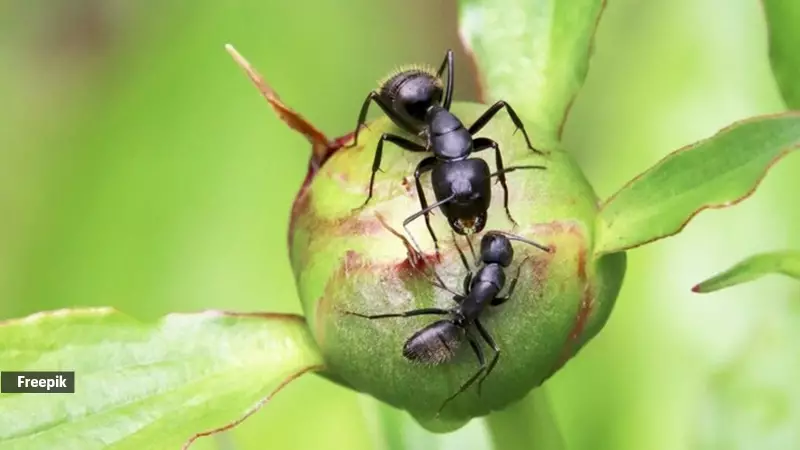
Similarly, queen ants are foundational to their societies and rank among the world's longest-living insects. As the sole reproductive adult female, her primary function is to lay eggs and grow her colony, which can eventually include thousands of individuals. A queen ant's lifespan is impressive, extending up to 30 years. She spends these decades dedicated to the expansion and perpetuation of her ant kingdom, making her longevity crucial for the colony's success.
Patience Underground: The Long Wait of Cicadas and Beetles
Another group known for its lengthy life cycle is the cicadas, often called 'true bugs' for their distinctive anatomy and the deafening songs produced by males. The most famous are the periodic cicadas, which emerge in massive broods only once every many years. These insects have a fascinating life strategy where they spend the vast majority of their lives as nymphs underground, feeding on tree root sap. This juvenile stage can last for an astonishing 17 years before they finally emerge, molt, sing, mate, and die within a few weeks.
The splendour beetles, also known as jewel beetles for their vivid, metallic, and iridescent colours, demonstrate longevity in a different phase of life. Found in warm, forested areas worldwide, these beetles are known for an extraordinarily long larval stage. When environmental conditions—such as food availability or temperature—are not ideal, the larvae can remain in that state, waiting for the right moment to pupate and become adults. This waiting game can sometimes span up to 30 years, showcasing a different kind of survival endurance.
Hairy Giants: The Surprisingly Long Life of Tarantulas
While not insects but arachnids, tarantulas are often included in discussions about long-lived arthropods and play a vital ecological role as predators. These large, hairy spiders are generally shy and slow-moving. Their lifespans, however, are surprisingly lengthy, especially for females. A female tarantula can live for 15 to 30 years, while males have a significantly shorter life, typically living only 3 to 7 years. This disparity highlights how longevity in these species is often tied to their reproductive strategy and role within their environment.
The existence of these longevity champions in the insect and arthropod world challenges our perception of these small creatures. Their extended lives, whether spent as egg-laying monarchs, patient nymphs, or enduring larvae, are marvels of natural adaptation. They remind us that survival in the wild is not always about a fast-paced life but can also be a testament to incredible patience and resilience, ensuring the continuation of their kind for generations.