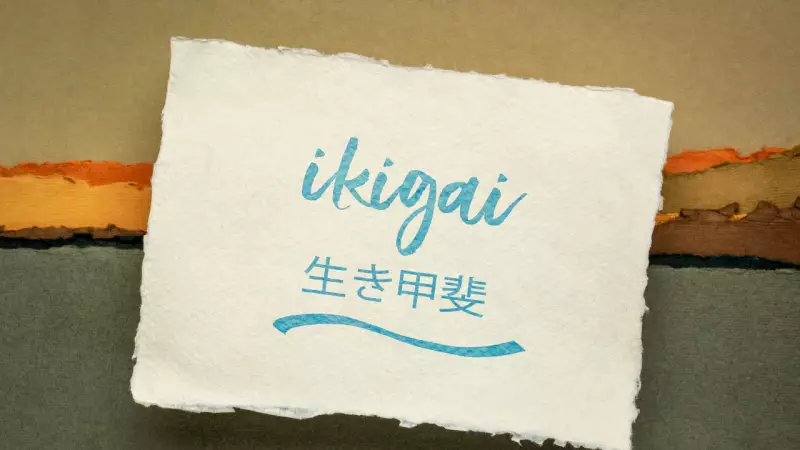
Understanding Ikigai: Japan's Approach to Finding Life's Meaning
In Japan, people believe each person carries an ikigai within them. This concept represents the reason you get out of bed every morning. The word breaks down simply: "iki" means life, while "gai" translates to value or worth. Together, they form "ikigai" - essentially "that which makes life worth living."
This philosophy doesn't chase dramatic happiness. Instead, it cultivates a steady sense of meaning that anchors you emotionally. This grounding persists through ordinary days, difficult periods, and uncertain times.
How Ikigai Differs from Western Ideas of Purpose
Western concepts often tie purpose to career achievements or major life goals. Ikigai operates differently. It thrives in small, daily moments that might otherwise seem insignificant.

Your ikigai could manifest through caring for plants, perfecting a skill, helping someone in need, or creating something with quiet pride. It's the personal thread that makes life feel uniquely yours.
The Cultural Impact of Ikigai in Japanese Society
Ikigai shapes how Japanese people approach time, work, and aging. Consider Okinawa, a region famous for longevity. Many elderly residents there continue daily activities like gardening, cooking, teaching, or walking. They don't do these things out of obligation, but because they genuinely want to.
Their ikigai keeps them actively engaged with life. Psychologically, this makes perfect sense. When your mind maintains curiosity and involvement, it produces more dopamine while reducing stress hormones. People experience less loneliness and anxiety, achieving greater emotional stability.
Ikigai doesn't eliminate life's pains or problems. Rather, it provides context for them. You always have something meaningful to return to.
Why Ikigai Feels Particularly Powerful Today
Modern life constantly pulls our attention in multiple directions. Smartphones, deadlines, social comparisons, and general noise leave many feeling scattered and unfocused. Ikigai works in the opposite direction - it brings clarity and concentration.
When you understand what quietly matters to you, decision-making becomes simpler. You stop wasting energy trying to be everything to everyone. This sense of direction fosters inner peace, which externally appears as confidence or even luck. In reality, it's simply alignment with your true self.
Five Practical Ways to Bring Ikigai into Your Daily Life
1. Notice What Makes Time Disappear
One of the clearest indicators of ikigai is losing track of time during an activity. This could happen while writing, cooking, organizing, teaching, listening deeply, or even fixing household items. Pay attention when your mind feels completely absorbed rather than restless.
These moments point directly toward what gives your life meaning. Begin protecting small spaces for these activities daily, even if you only have ten minutes to spare.
2. Treat Small Responsibilities as Meaningful
Ikigai doesn't demand grand dreams or dramatic life changes. In Japan, people often find purpose in caring for others, approaching work with pride, or completing tasks thoroughly. Folding laundry neatly, making tea for someone special, or cleaning your workspace with care transforms routine into ritual.
When small actions carry meaning, your entire day feels lighter and more purposeful.
3. Develop One Skill with Patience
Choose one area for gradual improvement. This could involve cooking, physical fitness, communication skills, design abilities, or even emotional awareness. Ikigai flourishes when you witness visible progress.
Watching yourself improve generates satisfaction that external validation cannot match. Remember, the goal isn't perfection - it's consistent continuity.
4. Connect to Something Beyond Yourself
Ikigai often deepens when it includes contribution to others. Helping a neighbor, mentoring someone, caring for a pet, or volunteering keeps your heart open and engaged. When your actions benefit others, even in quiet ways, life feels less empty.
Humans are wired for connection. Ikigai nourishes this fundamental wiring.

5. End Each Day by Noticing What Felt Good
Before sleeping, recall one moment from your day that felt genuinely satisfying, calm, or meaningful. Don't search for dramatic events - focus on what felt authentically good. Over time, your mind will recognize patterns in these moments.
These patterns provide valuable clues to your ikigai. This simple reflection trains your awareness to move toward what truly matters rather than what merely distracts.
How Ikigai Transforms Your Future Experience
People living with ikigai don't necessarily have easier lives, but they experience life differently. They feel less lost and confused. They recover more quickly from setbacks and disappointments. They wake each morning with a quiet sense of purpose that steadies their entire nervous system.
In a world obsessed with goals and speed, ikigai offers something more durable - a reason to keep going that doesn't depend on external success. When life feels genuinely meaningful, even luck begins to feel unnecessary.
This Japanese philosophy reminds us that purpose isn't something we find in distant achievements, but in the small, daily moments we often overlook. By incorporating these five practices, you can begin discovering your own ikigai today.