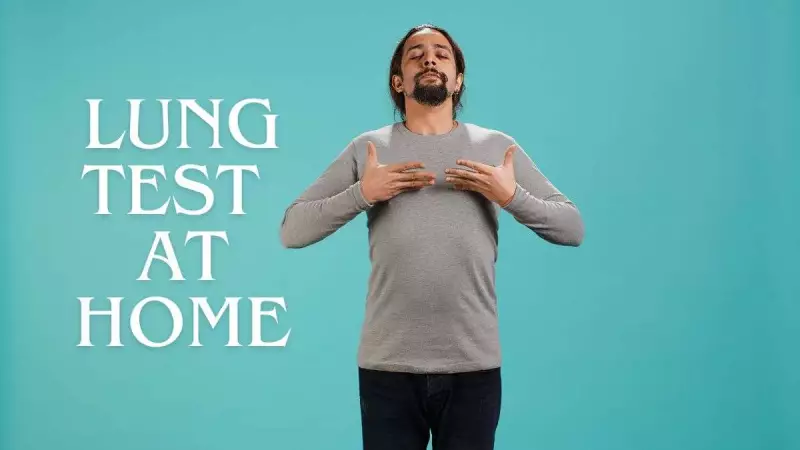
Concerned about your breathing and overall respiratory wellness? With rising air pollution and respiratory infections, keeping tabs on your lung health is more crucial than ever. The good news is that you don't always need complex machinery for an initial check. Several simple, do-it-yourself methods can provide valuable clues about the state of your lungs.
Five DIY Tests to Gauge Your Lung Function
Medical professionals often suggest preliminary tests that can be performed in the comfort of your home. These are not replacements for medical diagnosis but are excellent screening tools. If you notice any difficulty during these tests, it's a clear signal to consult a healthcare provider.
The Matchstick Test (Blow-Out Test)
This is one of the most traditional methods to assess lung strength and exhalation force. Here's how to perform it correctly. Hold a lit matchstick or a candle about 6 inches away from your mouth. Take a deep breath in, and then try to blow out the flame in one single, forceful exhalation without puckering your lips too tightly.

If you are unable to extinguish the flame, it may indicate reduced expiratory force or potential obstruction in your airways, which is common in conditions like asthma or COPD. This test primarily checks the strength of your exhalation.
The Stair Climb Challenge
This test evaluates your lung and heart endurance under physical stress. Find a flight of stairs, preferably with at least 20-30 steps. Walk up the stairs at a steady, normal pace. Pay close attention to your breathing during and immediately after the climb.
If you find yourself becoming extremely breathless, gasping for air, or needing to stop frequently to catch your breath, it could point towards diminished lung capacity or poor cardiopulmonary fitness. A healthy individual should be able to climb two to three flights without severe shortness of breath.
The Breath-Holding Test
This test measures your lung control and efficiency. Sit in a relaxed position and take a few normal breaths. After a normal inhalation, pinch your nose and hold your breath. Start a timer. Try to hold your breath for as long as you comfortably can.
While results vary, generally, holding your breath for 25-30 seconds or more is considered a good sign for healthy lungs. A time significantly lower than this, especially if accompanied by a strong urge to breathe quickly, might warrant further investigation.
Key Warning Signs You Must Not Ignore
Beyond these tests, your body sends daily signals about your respiratory health. Being aware of these symptoms is the first step towards prevention and early intervention.
Persistent cough, especially one that lasts for more than three weeks, is a major red flag. This includes coughs with or without phlegm. Another critical sign is shortness of breath during routine activities that you previously performed easily, like walking, talking, or doing household chores.
Other symptoms to watch for include wheezing (a whistling sound when breathing), chronic mucus production, chest tightness or pain, and coughing up blood. Unexplained fatigue and frequent respiratory infections like bronchitis also demand medical attention.
When to Seek Professional Medical Help
The home tests and symptom checks are for awareness only. They are not diagnostic tools. If you consistently struggle with any of the DIY tests or experience the warning signs mentioned above, it is imperative to visit a doctor.
A pulmonologist can conduct formal tests like Spirometry, which accurately measures the volume and speed of air you can inhale and exhale. Other tests include chest X-rays, CT scans, and blood tests to determine the exact cause of any problem. Early diagnosis of lung conditions can dramatically improve management and quality of life.
In conclusion, proactively monitoring your lung health with these simple checks is a smart habit. Combine this with a lifestyle that avoids smoking, includes regular exercise, and minimizes exposure to pollutants to keep your lungs healthy and strong for years to come.