Tea is shaped by everything around it. The soil it grows in, the altitude of the garden, the season it was picked, even the weather on that particular day — all of it finds its way into your cup. But with so many options on the shelf, it can be hard to tell a truly good tea from an ordinary one, especially when the packaging looks equally appealing. Here is the thing: quality tea does not have to be the most expensive. It just has to be made with care from the garden to the cup. And once you know what to look for, the signs are surprisingly easy to spot. Rudra Chatterjee, Managing Director of Luxmi Tea Co Private Ltd, shares expert tips on how to upgrade your tea drinking experience.
1. Start with the Leaves Themselves
Before you even add water, take a look at the dry leaves. Good tea is made from whole leaves or large, even pieces, not dust or tiny fragments. If you spot a lot of powdery residues, stems, or leaves of wildly different sizes, that is a red flag. The finest teas often contain young buds alongside tender leaves, what growers call "two leaves and a bud," a sign that the plucking was done with precision.
2. Smell the Leaves Before You Brew
A quality tea has a story to tell even before it hits hot water. Bring the leaves close and take a breath. You should notice something distinct — floral, grassy, fruity, sweet, or lightly vegetal. If there is nothing there, or worse, if it smells stale or flat, the tea has likely been stored poorly or processed carelessly.

3. Pay Attention to Where It Comes From
Origin matters enormously in tea. Altitude, rainfall, soil, and climate all leave their mark on flavor. Teas grown at higher elevations tend to be more nuanced, simply because the leaves grow more slowly and develop greater complexity. A quality tea will usually tell you where it came from, and sometimes even when it was harvested. That kind of transparency is a good sign.
4. Look at the Color Once It Is Brewed
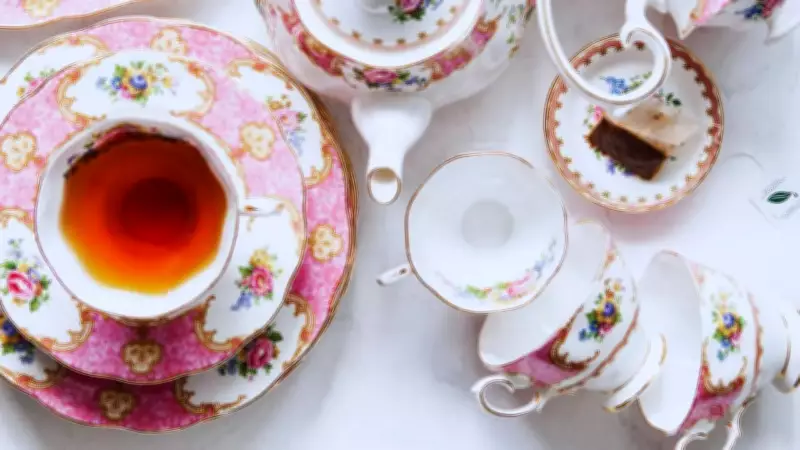
Pour yourself a cup and hold it up to the light. A good tea should look bright and clear — the exact shade will depend on the variety, but clarity is the thing to look for across the board. A murky or unusually dark brew can suggest poor quality leaves or over-processing.
5. Taste for Balance, Not Just Strength
Strength alone is not a measure of quality. A truly good tea is balanced; it offers depth and layers rather than just a punch. Think floral notes, a hint of fruit, a touch of earthiness, a natural sweetness. There should not be any harsh bitterness. What you want is a smooth, clean finish that lingers pleasantly, rather than one that disappears the moment you swallow.
6. Look at the Leaves After Brewing
Once your cup is ready, take a moment to examine the spent leaves. Quality tea leaves unfurl beautifully in hot water; they look plump, whole, and well-shaped. If they have broken into mush or tiny flakes, that tells you something about how they were handled. Good leaves, even after brewing, look like they have been treated with care every step of the way.
7. See If the Tea Rewards a Second or Third Brew
This is one of the most telling tests of quality. Fine tea leaves do not give everything up in a single steep. Brew them again, and you will often find the flavor shifts, becoming softer, a little more nuanced, sometimes even more fragrant. If a tea tastes flat or watery after the first brew, the leaves were probably not of the best quality to begin with.
Finding a great cup of tea is really about slowing down and paying attention. Look at the leaves. Smell them. Notice the color, taste with interest, and enjoy. Tea is more than just a habit; it is nature, time, and skill all coming together in your cup.