

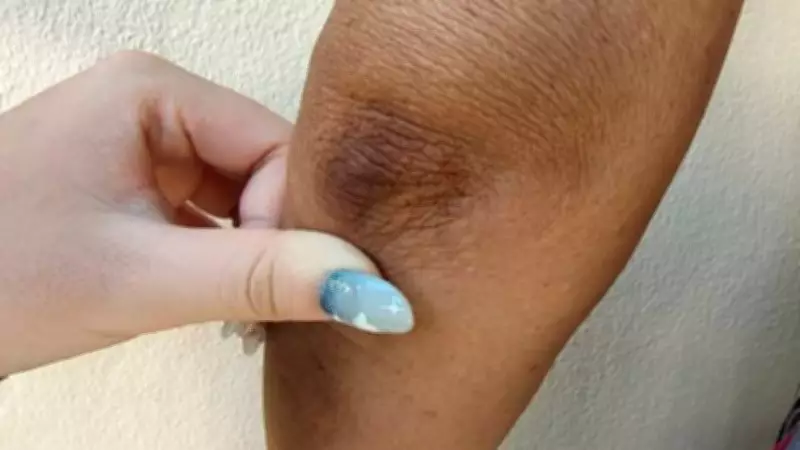
Beyond the Neck: The Hidden Signs of Acanthosis Nigricans You Might Miss
Many individuals notice dark, slightly thickened patches on their skin and dismiss them as mere tanning, stubborn dirt, or minor skin irregularities. This common oversight is where the real problem begins. Acanthosis Nigricans, a condition characterized by these velvety dark patches, typically causes no pain, making it easy to ignore or misdiagnose.
Dr. Narayanan A, Consultant in Dermatology at SRM Prime Hospital in Chennai, emphasizes, "Many people think that dark patches on the neck or underarms are due to tanning, friction, or poor hygiene. However, in many cases these skin changes may be a condition called acanthosis nigricans, which can signal an underlying metabolic issue."
Why Acanthosis Nigricans Is Frequently Overlooked
The tendency to treat skin issues superficially contributes significantly to the neglect of Acanthosis Nigricans. When faced with dark or uneven skin, most people resort to scrubs, home remedies, or cosmetic creams, aiming to fix the surface appearance. When these methods fail, they might either intensify their efforts with harsher treatments or simply give up altogether.

Rarely does it occur to them that this isn't just a cosmetic concern but often a sign of metabolic imbalance. Since the connection between skin changes and internal health isn't immediately obvious, people seldom seek the underlying cause.
The Awareness Gap and Cultural Misconceptions
Awareness of Acanthosis Nigricans remains low because it is seldom discussed unless it becomes severe. Doctors may identify it during routine check-ups, but without regular medical visits, individuals might never learn about it. Online information is fragmented, with some sources focusing solely on cosmetic aspects and others presenting alarming conclusions without clear explanations.
Cultural beliefs further complicate matters. In many households, darkened skin, particularly around the neck, is perceived as a hygiene issue. Advice like "scrub harder" or "clean properly" perpetuates the misconception, leading people to treat it as dirt rather than investigating the root cause.
Common Misconceptions About Its Location
While the neck is often associated with Acanthosis Nigricans, it is not the only area affected. Dr. Narayanan A explains that the skin communicates through these dark, thickened patches, which develop gradually and feel soft or velvety. Due to their painless nature, they are easily overlooked.
Key areas to monitor include:
- Neck
- Groin
- Armpits
- Elbows
- Knuckles
These skin folds are prime locations where Acanthosis Nigricans typically manifests as darkening over time.
Effective Management and Solutions
If you are dealing with Acanthosis Nigricans, it likely indicates that your body is struggling with insulin. Managing this condition requires a focus on lifestyle changes rather than superficial treatments.
- Adopt a balanced diet to regulate blood sugar levels.
- Engage in regular exercise to improve insulin sensitivity.
- Avoid DIY treatments and seek a medical evaluation to determine your body's specific needs.
The Importance of Early Awareness
Your skin often acts as a mirror reflecting internal health. Dr. Narayanan A points out that Acanthosis Nigricans is not merely a cosmetic flaw but a valuable screening tool. Recognizing these skin changes early can provide a head start in managing underlying conditions such as prediabetes or Polycystic Ovary Syndrome (PCOS), thereby protecting long-term health before complications arise.
By understanding and addressing Acanthosis Nigricans promptly, individuals can take proactive steps toward better metabolic health and overall well-being.






