The Hidden Dangers of Drying Clothes on Radiators
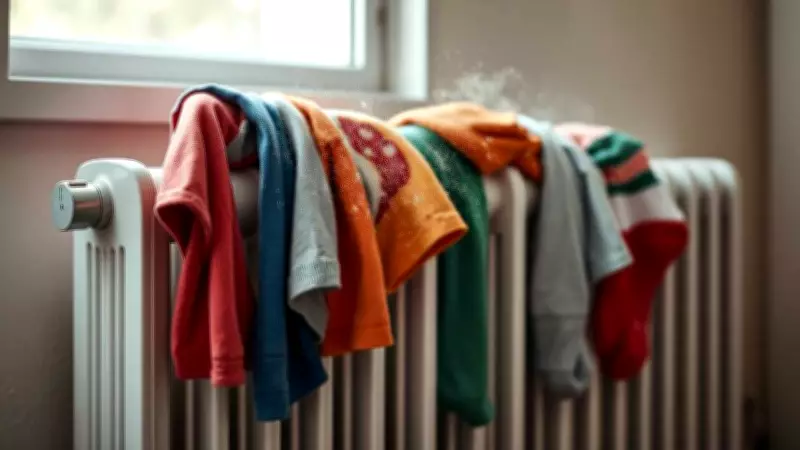
During the cold winter months, many households face a common challenge: drying laundry quickly without access to a dryer or outdoor space. In response, radiators often become makeshift drying racks, offering a seemingly perfect two-in-one solution. Not only do they accelerate the drying process, but they also add moisture to the dry winter air through evaporation. However, beneath the fresh scent of drying clothes lies a complex and potentially harmful process that could impact your health.
Understanding Dust: More Than Just Inactive Particles
For most people, dust is viewed as a harmless, inert substance that accumulates on surfaces and requires occasional cleaning. In reality, dust is a dynamic mixture composed of dead skin cells, pet hair, pollen, and microscopic fibers. When this accumulation comes into contact with the intense heat from a domestic heating system like a radiator, it becomes activated, releasing particles that can pose significant risks to respiratory health.
The Physics of Heated Dust Particles
The true danger of dust accumulations is not the visible clumps found in corners, but the ultrafine particles embedded within them. When dust reaches its heating point—typically between 120 and 180 degrees Fahrenheit—its structure undergoes critical changes. The heat causes the release of trapped ultrafine particles, which are small enough to bypass the body's natural protective mechanisms and penetrate deep into the respiratory system.

A landmark study titled Physical changes of indoor dust caused by hot surface contact investigated this phenomenon in detail. Researchers discovered that heating indoor dust triggers a surge in sub-micron particles. These tiny "condensation" particles form when volatile compounds or water vapor are baked out of the dust by the hot radiator. Due to their lightweight nature, these ultrafine particles can remain suspended in indoor air for hours, long after the laundry has dried and been stored away.
According to the study, radiators not only serve as heat sources but can also become emission points for harmful particles if not kept clean. Drying clothes on hot radiators essentially heats the dusty air emanating from the unit, exacerbating indoor air pollution. Managing dust sources and maintaining radiator cleanliness are essential steps for preserving healthy air quality, particularly for vulnerable individuals.
Protecting Your Family's Respiratory Health
This issue is especially critical for children, the elderly, and those with asthma or allergies. The ultrafine particles released from heated dust can irritate the lungs upon inhalation. In poorly ventilated spaces, concentrations of these particles can become dangerously high, increasing health risks.
Guidelines from the Environmental Protection Agency (EPA) in their report on Sources of Indoor Particulate Matter emphasize that controlling particle sources is the most effective strategy for maintaining healthy indoor air. The EPA highlights that fine particles smaller than 2.5 micrometres are particularly hazardous, as they can enter the bloodstream and impair lung and heart function. By using radiators as drying racks, households inadvertently create an unnecessary source of indoor pollution in the very rooms where they spend the most time during winter.
While it is impossible to completely eliminate indoor dust or control its behavior entirely, the EPA notes that proactive management is key. Major factors that elevate dust from floors to breathable heights include disturbances and warming. Therefore, placing wet clothes near a heated metal radiator presents a significant problem, especially for individuals sensitive to poor air quality.
Safe Alternatives for Air-Drying Clothes
To maintain fresh indoor air while still drying laundry efficiently, it is crucial to separate the heat source from the drying clothes. Consider using a portable folding drying rack positioned several feet away from the radiator. This approach allows you to utilize the warmth in the air without overheating the dust on the radiator, promoting even heat distribution throughout the room.

Regular radiator maintenance is often overlooked but is vital for reducing particle emissions. Before the heating season begins, clean the radiator's fins using a damp cloth or a specialized radiator cleaning brush. This simple action significantly reduces the number of particles that can become airborne. For households that frequently rely on indoor drying, investing in an air purifier equipped with a HEPA filter is advisable. These devices are specifically designed to capture extremely fine particles, enhancing air quality.
By implementing minor adjustments—such as repositioning drying racks and cleaning heaters—you can enjoy the warmth of your home without exposing yourself to the harmful effects of radiator dust. These steps not only safeguard respiratory health but also contribute to a cleaner, more comfortable living environment during the winter months.