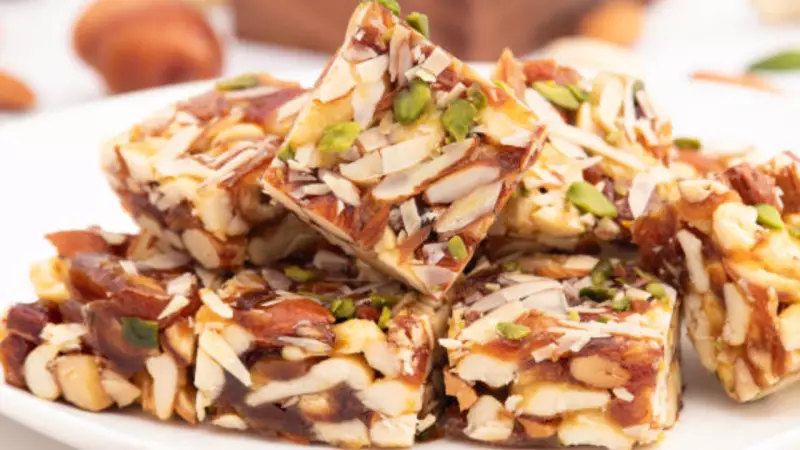
For countless Indians, a meal feels incomplete without the sweet finale of a dessert. While this love for sweets is deeply ingrained in the culture, the overconsumption of refined sugar is a direct path to numerous health issues. However, giving up sweets entirely is not the only solution. The key lies in making a smart switch to natural, nutrient-rich sweeteners that satisfy cravings while offering health benefits.
The Bitter Truth About Sugar and Sweet Alternatives
Excessive intake of refined sugar is a major contributor to lifestyle diseases prevalent today. It can lead to high blood pressure, unwanted weight gain, diabetes, and fatty liver disease. Instead of complete avoidance, nutrition experts advocate for moderation and smarter choices. Replacing processed white sugar with natural sweeteners can significantly reduce health risks while allowing you to enjoy sweet flavours.
Top 5 Natural Sweeteners for Your Indian Kitchen
Here are some of the best, easily available natural sweeteners, endorsed by experts like Dr. Hansaji Yogendra of The Yoga Institute, that you can incorporate into your daily diet.

1. Dates: The Nutrient-Packed Powerhouse
Dates are a fantastic low-calorie substitute packed with fibre, vitamins, and minerals. Their intense sweetness means you need to use them sparingly. To make a versatile date paste, blend a bowl of seedless dates with 1 cup of warm water. This paste can be used as a chutney with snacks like uttapam or chilla, or as a salad dressing.
For a nutritious snack, try making date energy balls or laddoos. Blend 1 cup seedless dates, 1/2 cup dry fruits (almonds, walnuts), and 1/2 cup seeds (sesame, pumpkin). Roll the mixture into small balls for a perfect breakfast or evening bite.
2. Raisin Paste: The Iron-Rich Substitute
If dates aren't available, raisin (kishmish) paste is an excellent alternative. Raisins are abundant in iron for heart health, Vitamin C for immunity, antioxidants for brain function, and fibre for digestion. Creating the paste is simple: blend one cup of raisins with a cup of hot water until smooth.
Use this thick paste as a chutney with snacks or mix it into your morning oatmeal instead of refined sugar for a natural sweetness boost.
3. Jaggery: The Traditional Digestive Aid
A staple in Indian households, jaggery is a superior sugar substitute. It is high in iron, helping prevent anemia, and aids in improving immune function, regulating glucose, and supporting weight loss. Jaggery stimulates digestive enzymes; having a small piece after meals can prevent constipation.
Enjoy jaggery with roasted yellow chana for a healthy snack, especially useful during colds. You can also add jaggery syrup to herbal teas or beverages for a warm, rich flavour.
4. Honey: The Soothing Antioxidant
While honey contains more calories than white sugar, its nutritional value is higher. It is rich in antioxidants that help the body fight inflammation, a root cause of problems like heart disease and autoimmune disorders. Honey is also a renowned remedy for sore throats.
Consume a spoon of honey in a glass of warm water on an empty stomach for better digestion. Being warm in nature, it is best consumed in winters—add it to your tea. A spoon of honey directly can also soothe a sore throat effectively.
Moderation is the Golden Rule
While options like coconut sugar and molasses exist, they are often highly processed and offer minimal nutritional value, making them similar to refined sugar. The ultimate advice from health professionals is clear: moderation is the key to good health. Even these healthy natural sweeteners should be consumed in controlled quantities to avoid negating their benefits and creating new health issues.
Making the switch requires mindfulness, but by integrating these natural sweeteners creatively into your recipes, you can enjoy the sweetness of life without compromising your well-being.