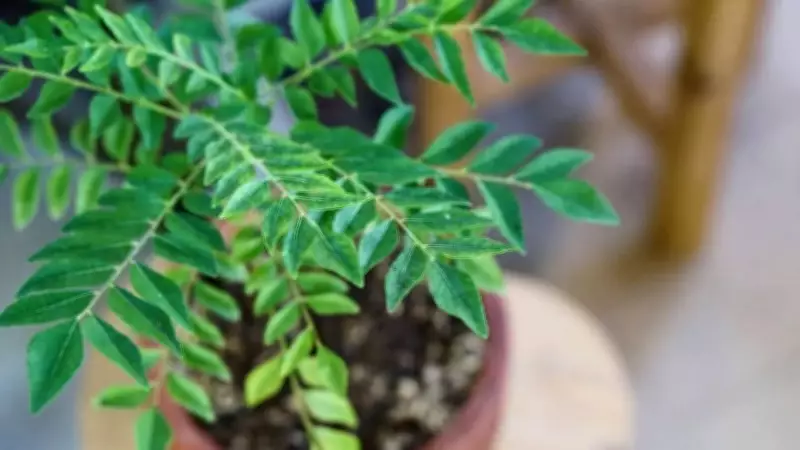
How to Grow Curry Leaves Successfully Without Killing the Plant
Curry leaf plants are a common sight in many Indian households, but growing them can be challenging, especially for beginners. Minor mistakes like overwatering or insufficient sunlight often harm these plants. However, with proper care, you can grow curry leaves for decades and enjoy their fragrant leaves. Here is a quick guide to growing curry leaves without killing them.
Begin with the Correct Planting Environment
Although curry leaf plants may seem fragile, they actually have few requirements. Most people lose their plants due to improper care, such as overwatering or keeping them away from sunlight. These plants thrive in warmth, porous soil, and direct sunlight. When growing indoors, choose a container that drains excess water, as curry leaves cannot tolerate waterlogging. Clay pots are ideal because they absorb excess moisture.
Loose, well-drained soil is essential instead of thick, muddy soil. A mix of garden soil, compost, and sand or cocopeat works best. The goal is to allow water to drain quickly, preventing roots from sitting in moisture.

The Significance of Sunlight Cannot Be Overemphasized
One of the main reasons curry leaf plants stop growing is lack of sunlight. Curry plants need plenty of heat and require at least six to eight hours of direct sunlight daily. A sunny balcony, terrace, or outdoor area is ideal. While many prefer growing curry leaves indoors, the plant may struggle unless it gets sufficient light all day.
Insufficient sunlight can cause pale green leaves, thinner stems, and significantly slowed growth. Conversely, ample light promotes lush, healthy growth. During monsoons or winters, move the plant to a brighter location.
The Biggest Problem Is Overwatering
Curry leaf plants more often die from overwatering than from neglect. They prefer a dry climate, and daily watering is not recommended. Instead of following a routine, check the soil moisture. Water only when the soil feels dry.
In summer, watering may be more frequent as soil dries quickly. In winter or rainy seasons, reduce watering considerably. Excessively moist soil leads to root rot and yellowing leaves, ultimately killing the plant. Many growers recommend underwatering rather than overwatering.
Pruning Makes the Plant More Bushy
Regular pruning keeps a curry leaf plant healthy. Trimming the uppermost parts encourages branching, making the plant bushier rather than tall and weak. Even cutting off a few upper leaves occasionally helps achieve this.
Many growers also trim off flowers, as flowering uses energy that could otherwise go into leaf production.
Proper Feeding Ensures Healthy Leaves
Curry leaf plants need periodic feeding with appropriate nutrients, especially during the growing stage. Compost, vermicompost, and liquid fertilizers work well. Since the goal is healthy leaves, nitrogen-based nutrients are ideal. Some gardeners use diluted buttermilk or seaweed fertilizer for extra strength. Overfeeding can damage delicate roots, so light feeding is more effective.
Protection from Pests and Stress
Like any indoor plant, curry leaf plants can be vulnerable to pests such as mealybugs and aphids. Applying neem oil helps prevent these pests from damaging the leaves. Good air circulation around the plant prevents fungal issues. Consistency is also crucial: curry leaf plants dislike changes in their environment, such as frequent moves, overwatering, or shifting from outdoor to indoor conditions. A stable environment promotes healthy growth.
Patience Is Necessary
Curry leaf plants are not extremely fast-growing, especially in the beginning. The plant may appear dormant in colder seasons, which is normal. Many people mistakenly think the plant is dead and start overwatering or repotting unnecessarily.
With sufficient light, appropriate watering, regular pruning, and patience, the curry leaf plant can last for several years, providing fresh, fragrant leaves.
Disclaimer: Gardening results may vary depending on climate, sunlight, soil quality, watering habits, and plant health. Curry leaf plants may grow differently across seasons, especially during winter or heavy monsoon periods.

About the Author
The TOI Lifestyle Desk is a dynamic team of dedicated journalists who, with unwavering passion and commitment, sift through the pulse of the nation to curate a vibrant tapestry of lifestyle news for The Times of India readers. At the TOI Lifestyle Desk, we go beyond the obvious, delving into the extraordinary. Consider us your lifestyle companion, providing a daily dose of inspiration and information. Whether you're seeking the latest fashion trends, travel escapades, culinary delights, or wellness tips, the TOI Lifestyle Desk is your one-stop destination for an enriching lifestyle experience.