Pooja Makhija's Gluten Revelation: Sourdough Bread Wins for Gut Health
Walking down the bread aisle in a supermarket can feel overwhelming. You face countless choices like focaccia, garlic bread, and rye. But nobody wants frequent bathroom trips after enjoying a tasty sandwich. Picking the right bread for your gut health becomes crucial for a balanced diet.
The Stark Difference in Gluten Content
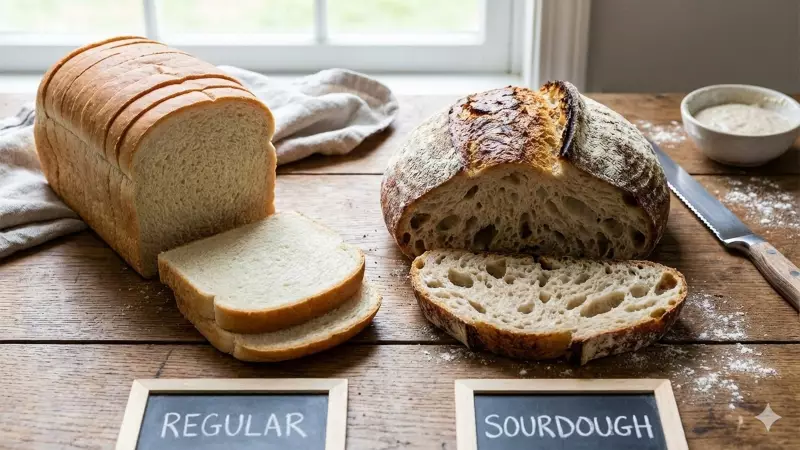
In a recent podcast chat with Masoom Minawala, celebrity nutritionist Pooja Makhija shed light on this topic. She compared regular bread with sourdough bread. Makhija expressed her love for sourdough. She noted it can be made from ragi, rye, or other grains. The key lies in using a sourdough culture.
"We are just using the sourdough culture and vastly reducing the gluten," Makhija explained. Most breads rely on yeast for fermentation. Sourdough uses a microbial culture instead. This culture digests the gluten protein present in carbohydrates. It causes the dough to rise, resulting in bread.

Makhija shared a striking fact. A regular slice of bread contains about 14,000 microorganism parts of gluten. In contrast, a sourdough bread slice has only 200 parts. "It's not gluten-free, but it has less gluten," she clarified to the host.
Why Sourdough Technique Matters
Deepika Sharma, a personal fitness expert specializing in functional nutrition, added more insights. She said ragi and rye bread are naturally high in fiber. They contain slow-digesting carbs that stabilize blood sugar levels. These breads also have arabinoxylans. Sharma described these as "basically food for your good gut bacteria."
Sharma emphasized it's not just about avoiding sugar spikes. It's also about long-term gut health. She explained sourdough is more of a technique than a specific type. Like Makhija, she noted it can use rye, wheat, spelt, or any chosen flour.
"What makes it different is the wild fermentation," Sharma stated. Instead of commercial yeast, sourdough uses natural bacteria and yeast, mainly lactobacilli. These microbes slowly break down carbs and gluten. This process makes the bread easier to digest. It lowers the glycemic load and reduces compounds that block mineral absorption.
Sharma advised, "If you're eating rye sourdough, that's the sweet spot. You get both the grain and the fermentation benefits." She added that a good white sourdough often beats basic rye bread. This is especially true if it's slow-fermented and made with whole grains.
Scientific Backing for Sourdough's Health Benefits
Dr. Samuel Ayofemi Olalekan Adeyeye from the Department of Food Technology at Hindustan Institute of Technology and Science in Chennai provided scientific perspective. He said sourdough's popularity among gut health enthusiasts stems from its natural fermentation process. This makes it healthier for the heart compared to regular white or whole-wheat bread.
Fermentation produces prebiotics, probiotics, and short-chain fatty acids. These improve gut health, reduce inflammation, and help regulate blood sugar and cholesterol levels. Dr. Adeyeye elaborated, "By slowing carbohydrate digestion and enhancing insulin sensitivity, sourdough and other fermented foods can lower fasting glucose and HbA1c levels."
He continued, "Additionally, their bioactive compounds contribute to reduced LDL cholesterol and anti-inflammatory effects. This promotes overall metabolic and heart health." Choosing whole-grain sourdough boosts fiber intake further. This aids digestion and maintains healthy blood pressure.
The fermentation driven by lactic acid bacteria and yeasts enhances heart and gut health through complex biochemical interactions. These microbes pre-digest carbohydrates and proteins. They improve mineral absorption and produce bioactive compounds like short-chain fatty acids, antioxidants, and peptides. These support gut integrity and reduce inflammation.
Making the Right Choice at the Supermarket
To summarize, experts recommend picking whole-grain sourdough from supermarket shelves. Its soluble fiber helps lower LDL or "bad" cholesterol. The lower glycemic index supports steady blood sugar and insulin levels.

Fermentation enhances absorption of minerals like magnesium and potassium. These are vital for maintaining a healthy heart rhythm and blood pressure. It also increases antioxidant content, protecting cells from oxidative damage.
Remember, always consult your health practitioner before starting any new dietary routine. This information comes from public sources and expert opinions.