

Ghee vs Olive Oil for Indians: Which is Healthier and How to Use Both for Better Daily Nutrition
In most Indian kitchens, the choice of cooking fat transcends mere health considerations; it embodies memory, taste, and deep-rooted habit. A spoonful of ghee drizzled over dal evokes nostalgia, while a drizzle of olive oil often signifies a shift toward "modern" eating patterns. However, does modern automatically equate to healthier? And is tradition always safe? The reality lies somewhere in between these extremes. The essential question is not which oil emerges as the winner, but which one aligns better with contemporary Indian diets and lifestyles.
Why This Comparison Matters in India
India is experiencing a steady rise in heart disease, diabetes, and obesity rates. According to the Indian Council of Medical Research, dietary fats play a direct and significant role in these conditions. The type of fat consumed daily can influence cholesterol levels, weight management, and long-term health risks. Government-backed dietary advice, including guidelines from the National Institute of Nutrition, recommends limiting saturated fats and balancing different types of oils rather than relying on a single source. Thus, the ghee versus olive oil debate is not merely a trendy topic; it holds profound relevance for public health in India.
What Makes Ghee Special and Where It Falls Short
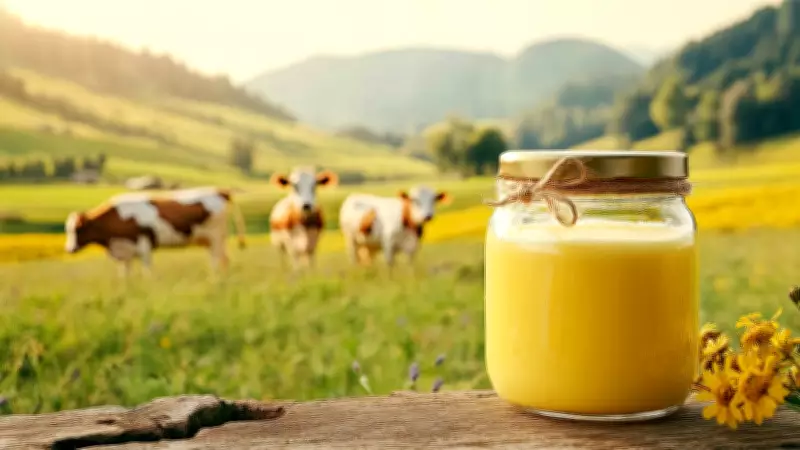
Ghee has been an integral part of Indian culinary traditions for centuries, excelling with spices, high-heat cooking, and slow-cooked dishes. Dr. Niraj Kumar, Senior Consultant in General Medicine at Shardacare-Healthcity, explains, "Ghee is rich in saturated fats, which, when consumed in excess, may impact heart health. However, in moderate amounts, it offers several benefits. It contains fat-soluble vitamins like A, D, E, and K, which support immunity and bone health." There is also growing interest in compounds like butyrate found in ghee, which may promote gut health. Nevertheless, moderation is crucial here. The same richness that makes ghee nourishing can also raise LDL cholesterol levels when overused. In simple terms, ghee fits perfectly into the Indian kitchen but demands careful restraint.

Olive Oil: Healthy but Not Always Practical
Olive oil, especially extra virgin varieties, is abundant in monounsaturated fats. These fats are widely recognized for supporting heart health and aiding in cholesterol management. Research frequently links olive oil to the Mediterranean diet, which has strong evidence for reducing cardiovascular risks. Even Indian authorities like the ICMR acknowledge the benefits of unsaturated fats in daily diets. However, practicality poses a challenge. Olive oil does not always suit traditional Indian cooking methods. Deep frying, tadka, and high-heat curries can degrade its quality, particularly with extra virgin variants. It shines in applications such as salads, light sautéing, and finishing touches but struggles with heavy, traditional cooking styles.
Smoke Point, Cooking Style, and Kitchen Realities
The science of oils is often overlooked in daily cooking. Every fat possesses a "smoke point," the temperature at which it begins to break down. Ghee boasts a high smoke point of approximately 230°C, making it stable for frying and roasting. Olive oil varies significantly; extra virgin olive oil has a lower smoke point around 160-190°C, while refined versions reach higher temperatures. This means that typical Indian tadka or deep-frying tasks are safer with ghee than with extra virgin olive oil. Using the wrong oil at inappropriate temperatures can generate harmful compounds. Therefore, the choice extends beyond health benefits on paper to how the oil performs in your kitchen.

The Indian Body, Lifestyle, and Portion Considerations
A critical aspect many people overlook is that no oil functions in isolation. A sedentary lifestyle, high-carbohydrate meals, and low physical activity can amplify the negative effects of unhealthy fats. The Ministry of Health and Family Welfare has repeatedly emphasized that total fat intake should remain within recommended limits, regardless of the source. Dr. Niraj Kumar succinctly states, "Both ghee and olive oil have their own advantages. For Indians, the best approach is to use them in balance. Ghee can be used in small amounts in traditional cooking, while olive oil can be incorporated for heart health benefits." This balanced approach matters more than the choice itself.
So, Which One is Actually Better?
There is no single winner, and that is the honest answer. Ghee works better for traditional Indian cooking, high-heat applications, and digestion support. Olive oil excels in promoting heart health, complementing lighter meals, and modern cooking styles. A smarter strategy involves a mix:
- Use ghee in small quantities for rotis, dal, and high-heat cooking.
- Incorporate olive oil for salads, sautéing, and finishing dishes.
- Rotate oils regularly instead of adhering strictly to one type.
It's Not About Replacing, but Rethinking
The ghee versus olive oil debate often becomes emotional, yet health rarely revolves around extremes. Indian diets are complex, and so are human bodies. Choosing wisely does not entail abandoning tradition or blindly following trends. It means understanding how each ingredient integrates into daily life. A spoon of ghee can remain a staple, and a drizzle of olive oil can join the repertoire. What truly matters is the frequency, quantity, and mindfulness with which both are utilized.
Medical Experts Consulted
This article includes expert inputs shared with TOI Health by Dr. Niraj Kumar, Senior Consultant in General Medicine at Shardacare-Healthcity. The inputs compare ghee and olive oil within the Indian context, elucidating their health impacts and guiding choices based on cooking habits and nutritional needs.





