Beyond the Scale: Doctor Explains 10 Unexpected Signs Your Body Shows During Fat Loss
When embarking on a weight loss journey, most people focus intently on the numbers displayed by their weighing scale. However, fat loss often reveals itself through subtler, sometimes surprising bodily signals that extend far beyond mere weight measurements. A recent discussion initiated by a medical professional sheds light on these lesser-known indicators of metabolic transformation.
The Unusual Manifestations of Fat Loss
Dr. Mallika Surve, a gynecologist based in Navi Mumbai, recently highlighted what she describes as weird but common changes that individuals may experience as their bodies undergo fat loss. Through an Instagram post, she detailed ten distinct signs that signal shifts in metabolism and hormonal balance.
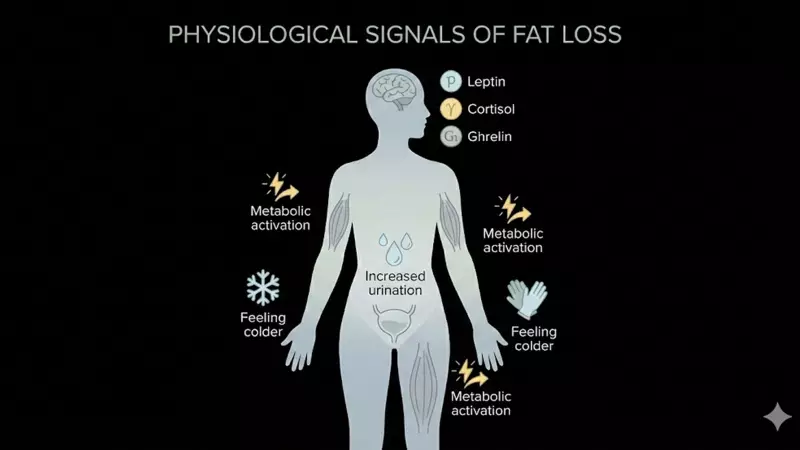
- Increased Urination: You may find yourself visiting the restroom more frequently. This occurs because fat cells store water along with energy. As fat breaks down, this excess water is released and excreted.
- Feeling Colder: Particularly in extremities like hands and feet. Reduced body fat means less natural insulation, and sometimes a slightly lower resting metabolic rate contributes to this sensation.
- Altered Sweat Odor: Your sweat might smell different, not necessarily unpleasant. This change can happen when your body burns fat for fuel, producing compounds like ketones.
- Random Energy Bursts: Moments of unexpected vitality where you might suddenly tackle chores or feel unusually energetic, indicating your metabolism is becoming more active.
- Facial Leaning: Your face may appear more defined, with jawlines and cheekbones becoming more prominent, often before you notice significant weight changes elsewhere.
- Clothes Fitting Differently: Garments might feel tighter in some areas and looser in others, reflecting body recomposition rather than a weight loss plateau.
- Improved Sleep: You might sleep more deeply and restfully as hormonal fluctuations stabilize, allowing your body to repair itself effectively.
- Mood Swings Followed by Stability: Initial emotional sensitivity or irritability may give way to a calmer, clearer mental state as hormones balance.
- Visible Vascularity or Muscle Definition: New veins or muscle shapes might appear in the mirror, not from increased effort but because reduced body fat reveals underlying structures.
- Appetite Fluctuations: Some days you might feel ravenous, while on others, food barely crosses your mind, signaling a reset of hunger hormones like ghrelin and leptin.
The Science Behind These Bodily Signals
Dr. Jagadish Hiremath, a public health expert, explains the physiological mechanisms driving these changes. Increased urination is common, especially in early phases, because fat cells release stored water during breakdown, he notes. Regarding the sensation of cold, he adds, Reduced body fat means less insulation, and in some cases, a slightly lower resting metabolic rate contributes to this feeling.

Concerning altered sweat odor, Dr. Hiremath states, Changes can occur when the body relies more on fat for fuel, producing ketones that may temporarily modify body odor. He emphasizes that these signs are generally normal if weight loss is gradual and nutrition is adequate.
Hormonal Impacts on Mood, Sleep, and Appetite
Fat loss significantly influences key hormones such as leptin, ghrelin, cortisol, and insulin, which regulate mood, appetite, and sleep. Initially, leptin levels often decrease, potentially increasing hunger and emotional sensitivity. Simultaneously, calorie restriction or intensified exercise can elevate cortisol, the stress hormone, leading to mood swings and sleep disturbances.
As the body adapts and energy intake balances, these hormones stabilize, explains Dr. Hiremath. This explains why many experience emotional fluctuations early on but later feel calmer and more mentally clear.

Distinguishing Healthy Progress from Potential Problems
Dr. Hiremath outlines markers of healthy fat loss: stable energy levels, regular menstrual cycles in women, quality sleep, and maintained physical performance. Conversely, excessive or unhealthy fat loss may manifest as persistent fatigue, hair thinning, hormonal irregularities, frequent illness, or a gaunt facial appearance.
Red flags that warrant medical attention include:
- Extreme and persistent cold intolerance
- Sweat with a very strong ammonia-like odor
- Dizziness or excessive urination accompanied by fatigue
These symptoms could indicate issues like under-eating, dehydration, electrolyte imbalance, or hormonal disruption. The key indicator is how the body feels and functions, not just how it looks, stresses Dr. Hiremath. Fat loss should enhance overall health, not compromise it.
Understanding these subtle signs can provide reassurance and guidance during a weight loss journey, emphasizing that health transformation involves complex bodily communications beyond simple scale readings.