

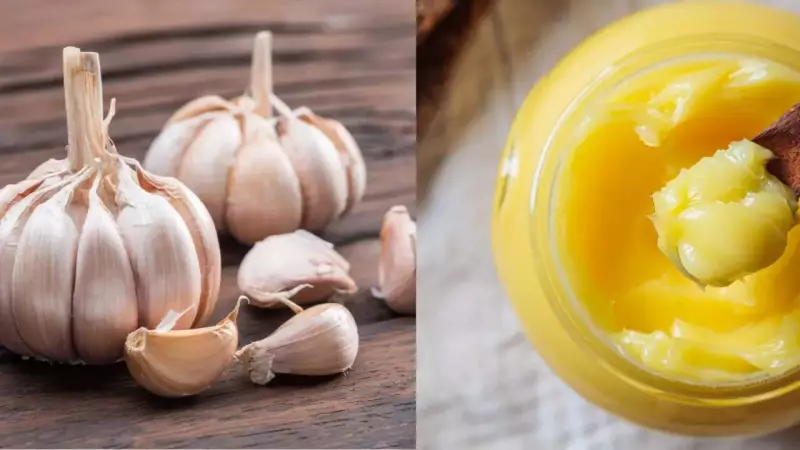
In Indian households, desi ghee and garlic have long held a place of honour, revered both for their culinary richness and their traditional medicinal value. However, a new wave of social media claims has catapulted this duo into the spotlight, suggesting that consuming them together on an empty stomach can perform near-miracles: from preventing cancer and aiding weight loss to enhancing sexual vigour, improving skin, stopping hair fall, and regulating blood pressure and cholesterol.
The Science Behind the Claims: Garlic and Ghee Under the Microscope
While both ingredients are nutrient-dense, experts from The Healthy Indian Project and modern nutritional science urge caution against such sweeping assertions. Health outcomes like cancer prevention are influenced by long-term dietary patterns, lifestyle choices, genetic factors, and environmental exposures, not by a single daily habit.
Research into garlic has primarily focused on sulphur-based compounds like allicin. Laboratory studies show these compounds can, under controlled conditions, slow the growth of certain cancer cells. Population-based observational studies also point to a modest reduction in the risk of stomach and colorectal cancers among regular garlic consumers.

However, these findings do not support the idea that eating garlic on an empty stomach is a guaranteed shield against cancer. Any potential benefit is linked to consistent, long-term intake as part of an overall healthy lifestyle. Garlic cannot counteract major risk factors such as smoking, obesity, chronic inflammation, or genetic predisposition.
Can Desi Ghee Play a Role in Preventing Disease?
Desi ghee, a source of saturated fats and fat-soluble vitamins, has shown interesting properties in animal studies. Some research suggests cow ghee may reduce the activity of enzymes involved in carcinogen formation and boost the liver's detoxification pathways.
Yet, it is crucial to note that results from animal studies cannot be directly applied to humans. To date, there is no strong human evidence proving that ghee prevents cancer. While it can be part of a healthy diet in moderation, excessive consumption increases calorie and saturated fat intake, potentially harming long-term metabolic health.
Why No Single Food Can Be a Magic Bullet Against Cancer
Cancer is a complex group of diseases driven by a web of interconnected factors: genetics, immune function, environment, diet, physical activity, and stress levels. No single food, not even garlic or ghee, can single-handedly neutralise these risks.
Robust cancer prevention is built on a foundation of a varied, fibre-rich diet, regular physical activity, avoiding tobacco and excess alcohol, and maintaining a healthy body weight. It is about sustained lifestyle habits, not isolated remedies.
Examining Claims on Weight Loss, Sexual Health, and More
The viral claims extend far beyond cancer. Let's scrutinise them:
Weight Loss: Desi ghee is calorie-dense, with over 100 calories per tablespoon. While it contains healthy fats, it does not promote fat burning. Garlic might have a minimal effect on metabolism, but not enough to cause significant weight loss. Weight management hinges on overall calorie balance, physical activity, sleep, and consistent dietary habits—not on an empty-stomach ritual.
Sexual Health: Garlic is often touted as an aphrodisiac for its alleged blood-flow benefits. While some small studies indicate potential vascular health benefits, human evidence is limited and inconsistent. Ghee provides energy from fats, but no credible research links it to improved sexual performance. In fact, some animal studies suggest excessive ghee may adversely affect hormone levels.
Skin and Hair: The antioxidants in garlic combat oxidative stress, and the fats in ghee can help moisturise skin when consumed as part of a balanced diet. However, there is no scientific proof that taking them together on an empty stomach yields glowing skin. Hair fall is influenced by genetics, hormones, nutrition, and stress. While both ingredients contribute to general nutrition, they cannot reverse hair loss caused by underlying medical or genetic conditions.

Blood Pressure and Cholesterol: Garlic supplements may modestly lower blood pressure in hypertensive individuals. Conversely, ghee, due to its saturated fat content, may raise cholesterol levels. There is no evidence that combining the two on an empty stomach effectively controls either parameter. Cardiovascular health depends more on overall dietary balance, fibre intake, and physical activity.
In conclusion, while desi ghee and garlic are valuable components of Indian cuisine and traditional wellness practices, elevating them to a panacea is scientifically unfounded. True health is built on holistic, evidence-based lifestyle choices, not viral quick fixes.





