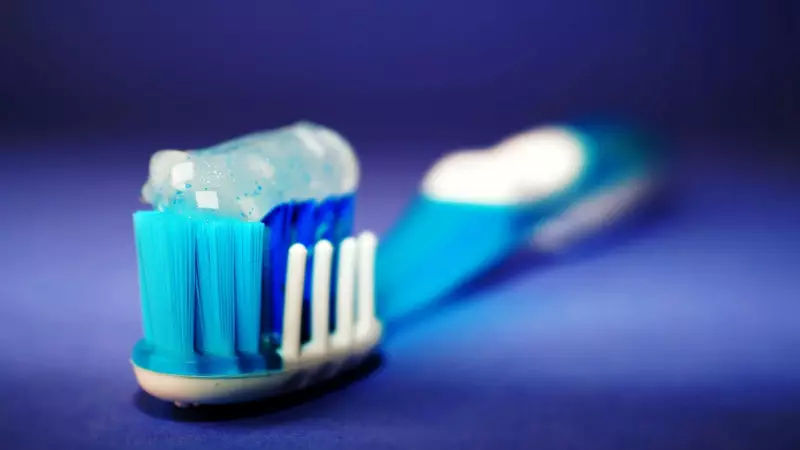
An unusual oral hygiene trend, gaining traction in global cities from California and Los Angeles to Seoul and Stockholm, involves people placing their toothbrushes in the freezer overnight. Social media is abuzz with claims that this icy practice can combat oral bacteria, shock plaque biofilm, and reduce gum inflammation. Videos showcasing frost-covered brushes have captivated millions online. But does this chilly ritual hold any scientific merit, or is it merely another internet health fad?
What The Viral Trend Claims
The trend, which surfaced prominently online around December 2025, suggests that using a frozen toothbrush provides significant oral health benefits. Proponents argue that the extreme cold helps kill germs residing on the bristles, provides a shock to plaque, and soothes inflamed gums. This has led many in cosmopolitan hubs worldwide to clear a small space next to their frozen peas for their oral care tool.
A Dentist's Scientific Verdict
To separate fact from viral fiction, we consulted Dr. Vipin Dehane, Consultant in Dental Sciences at Fortis Hospital Mulund and Fortis Hiranandani Hospital, Vashi. Dr. Dehane provided a clear, evidence-based perspective on the practice.
Addressing the claim about reducing gum inflammation, Dr. Dehane explained that gingivitis is an inflammatory response to plaque and bacteria. While cold can feel temporarily soothing, he stated unequivocally that "freezing a toothbrush has no scientific evidence to support any real improvement in gum health or reduction in gingival inflammation." The numbing sensation might offer brief comfort but does nothing to treat the underlying cause.
Why Freezing Doesn't Work on Plaque and Bacteria
The expert also dismissed the idea that freezing could "shock" plaque biofilm or reduce bacterial load. "There is no clinical proof that a frozen toothbrush can disrupt or 'shock' plaque biofilm or significantly reduce oral bacterial load," Dr. Dehane emphasized. He clarified that dental plaque is a robust, structured biofilm that firmly adheres to teeth and gums. It cannot be removed or meaningfully altered by simple temperature changes.
In fact, freezing has no impact on the core issues: "bacterial substantivity, plaque adherence, or tartar formation." For individuals with sensitive teeth or gums, introducing an extremely cold object might even cause unnecessary discomfort without providing any benefit.
Dentist-Approved Methods for Healthy Gums
So, what truly works for managing gum health? Dr. Dehane advocates for a return to proven fundamentals. "The most effective way is professional dental care combined with consistent oral hygiene," he advises. His recommendations include:
- Professional scaling, root planing, and polishing every six months.
- Brushing twice daily with fluoridated toothpaste.
- Regular flossing and interdental cleaning.
- Maintaining tongue hygiene.
- Attending regular dental check-ups for early diagnosis and long-term health.
He also noted that for specific cases, dentists might recommend adjunctive therapies like LASER treatment. The core message is clear: while social media trends come and go, the science of oral care remains rooted in consistent, mechanical cleaning and professional oversight.
The final takeaway is straightforward. Freezing your toothbrush might generate likes and shares on Instagram, but for genuinely healthy gums and teeth, science firmly backs the basics over buzzworthy tricks. Always consult your dentist or healthcare practitioner before adopting any new health routine from the internet.