

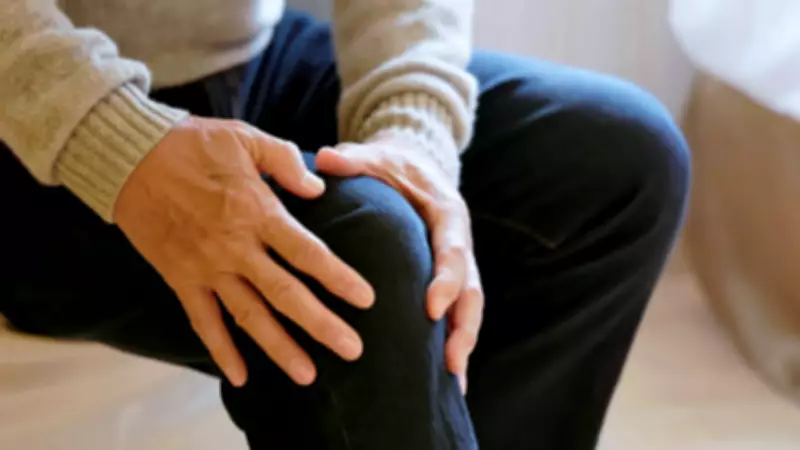
Daily Habits That Silently Damage Your Knees: Expert Insights
Many individuals experience the gradual onset of knee aches and stiffness, often dismissing them as minor inconveniences. However, what begins as slight discomfort can progressively escalate into significant mobility restrictions, severely impacting daily life. According to Dr. Rahul Modi, an Orthopedic Surgeon at Kapadia Hospital, this deterioration is frequently linked to everyday activities that place undue stress on the knee joints, far beyond what most people anticipate.
Poor Posture While Sitting: A Hidden Culprit
Extended periods of sitting, common in modern lifestyles, are far from normal for the human body. When hips and legs remain immobile for too long, they weaken due to lack of movement and weight-bearing. This weakness forces the knees to absorb excess load, compensating for the reduced strength in surrounding muscles. Ironically, when knee pain arises, people often resort to more sitting to alleviate discomfort, inadvertently creating a vicious cycle that exacerbates the issue over time.
Wearing the Wrong Footwear: A Slow but Sure Damage
Inappropriate footwear can have a detrimental long-term impact on knee health. Shoes that fail to provide adequate arch support disrupt the even distribution of body weight across knee joints, leading to excessive force concentration. This imbalance can eventually result in discomfort or conditions like osteoarthritis. Furthermore, stiff or ill-fitting shoes restrict natural foot movement, adding unnecessary stress to the knees. It is crucial to replace worn-out shoes regularly, as they lose cushioning support, further compromising joint protection.

Weak Core and Leg Muscles: The Compensation Problem
Weakness in the core and leg muscles significantly increases stress on the knees, making movement challenging over time. When muscles around the hips, thighs, and core lack strength, the knees compensate by bearing extra load and becoming misaligned. This compensation leads to discomfort and potential injury. Incorporating simple strengthening exercises, such as squats, lunges, and core workouts, for 15-20 minutes a few times weekly can enhance stability and drastically reduce knee strain.
Sudden Increase in Physical Activity: A Recipe for Injury
Engaging in abrupt spikes in physical demand is a common way people inadvertently harm their knees. Activities like extreme exercises, long-distance running without proper preparation, intense gym sessions after prolonged inactivity, or any high-stress knee movements can cause injuries. The knee requires time to adapt to new physical stresses and motion types; rushing this process often results in damage.
Dehydration: The Overlooked Factor
While dehydration might seem harmless, it has subtle yet harmful effects on knee joints that many overlook. Proper hydration is essential for lubricating joint surfaces. Insufficient fluid intake leads to deteriorated cushioning between bones, increasing friction and wear. This can accelerate joint degeneration, contributing to pain and stiffness over time.
Our knees are vital for daily functioning, yet they are often taken for granted. Repetitive habits may not cause immediate damage, but cumulative wear from these activities can lead to long-term issues. By adopting proactive self-care measures—such as modifying detrimental habits, staying hydrated, wearing supportive footwear, and strengthening muscles—you can safeguard knee health, alleviate existing pain, and ensure lasting joint functionality.






