

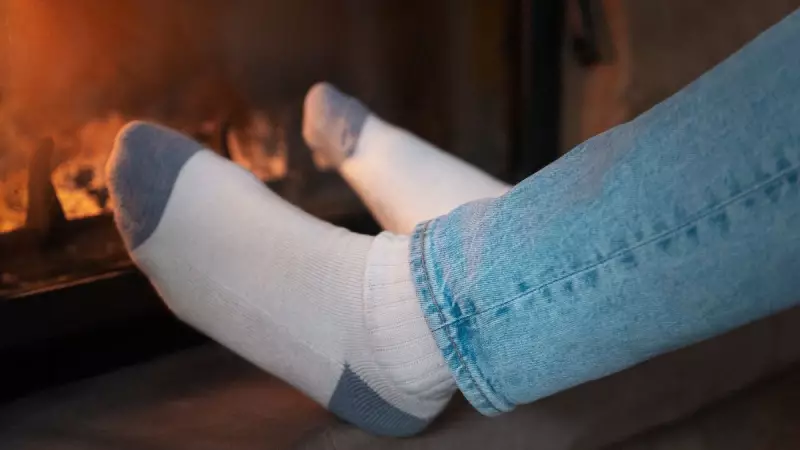
Do you constantly struggle with icy, cold feet even when you're bundled up in socks? While it might seem like a minor annoyance, especially during winter, persistent cold feet can be your body's way of signaling underlying health problems. Ignoring this symptom is not advisable, as it can point to issues with circulation, nerve function, or systemic diseases.
8 Medical Reasons Behind Persistently Cold Feet
Medical experts identify several potential causes for feet that remain cold despite external warmth. Understanding these reasons is the first step toward addressing the root cause.
1. Poor Blood Circulation (Peripheral Artery Disease)
Peripheral Artery Disease (PAD) is a leading culprit. It occurs when narrowed arteries reduce blood flow to your limbs. When insufficient warm blood reaches your feet, they feel perpetually cold. This condition is serious and requires medical diagnosis and management.

2. Anemia: A Lack of Healthy Red Blood Cells
Anemia, characterized by a deficiency of healthy red blood cells or hemoglobin, directly impacts your body's oxygen transport. With less oxygen delivered to tissues, your extremities, especially feet and hands, can feel cold. Fatigue and paleness often accompany this condition.
3. Diabetic Neuropathy and Circulation Issues
Diabetes is a major risk factor for cold feet. High blood sugar levels can damage both nerves (diabetic neuropathy) and blood vessels. Nerve damage can alter temperature perception, while damaged vessels impair blood flow, leading to a persistent cold sensation.
4. Hypothyroidism: An Underactive Thyroid Gland
When your thyroid gland is underactive, your body's metabolism slows down. This decrease in metabolic rate reduces heat generation throughout the body, making you more sensitive to cold, particularly in the hands and feet.
5. Raynaud's Phenomenon
This condition causes an overreaction to cold temperatures or stress. It leads to a sudden, temporary narrowing of small blood vessels (arteries) in the fingers and toes. During an episode, affected areas may turn white, then blue, and feel numb and cold before reddening and throbbing as blood returns.
6. Nerve Damage (Peripheral Neuropathy)
Beyond diabetes, other factors like vitamin deficiencies (especially B12), infections, autoimmune diseases, or alcoholism can cause peripheral neuropathy. This nerve damage can manifest as unusual sensations, including persistent coldness, burning, or tingling in the feet.
7. High Cholesterol and Buildup in Arteries
High levels of cholesterol can lead to plaque buildup inside arteries (atherosclerosis), causing them to harden and narrow. This restricts blood flow to the extremities, resulting in cold feet and increasing the risk of cardiovascular events.
8. Smoking and Its Impact on Blood Vessels
Smoking is a direct cause of poor circulation. The chemicals in tobacco damage and constrict blood vessels, significantly reducing blood flow to the hands and feet. Quitting smoking is often one of the most effective steps to improve this symptom.
When Should You Consult a Doctor?
Occasional cold feet in winter are normal. However, you should seek medical advice if you experience the following alongside persistent cold feet:
- Severe fatigue or weakness.
- Unexplained weight loss or gain.
- Fever or joint pain.
- Changes in skin color or texture on feet or legs (e.g., becoming pale, blue, or developing sores).
- Numbness, tingling, or a "pins and needles" sensation that doesn't go away.
- Pain or cramping in legs or feet when walking that subsides with rest.
Early diagnosis of conditions like PAD, diabetes, or thyroid disorders is crucial for effective management and preventing complications. A doctor can perform tests like blood work, ankle-brachial index (ABI) for PAD, or nerve conduction studies to determine the exact cause.
In conclusion, while cold feet might seem trivial, they can be a window into your overall vascular and neurological health. Do not dismiss this symptom, especially if it is persistent and accompanied by other changes. Addressing the root cause with professional medical guidance is essential for long-term well-being and comfort.






