

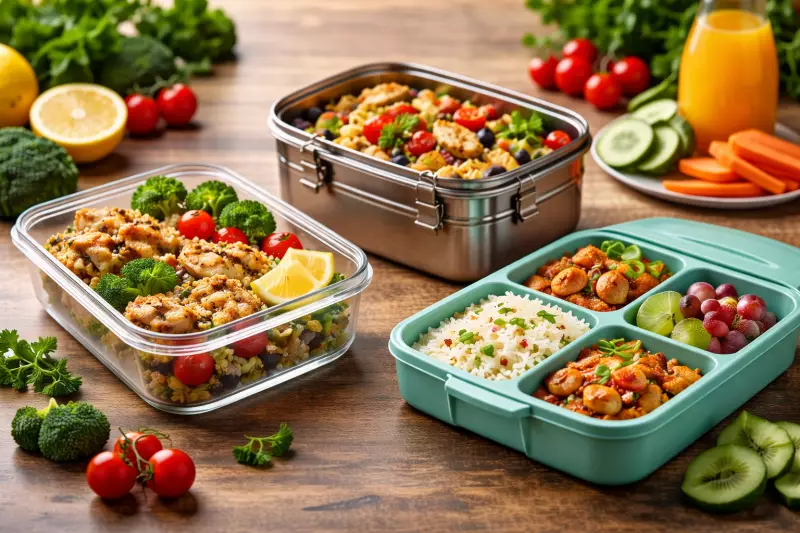
Selecting a lunchbox might appear to be a simple, mundane task. However, this everyday choice has a profound, quiet influence on your long-term health. Food stays inside it for hours, subjected to heat, acidity, and sometimes reheating. In these conditions, the material of your container becomes critically important, far outweighing considerations of design or cost, especially when used day after day.
Defining True Safety in Food Containers
What exactly makes a lunchbox safe? A genuinely safe container performs several crucial functions consistently. It must not leach any chemicals into the food, even when holding hot curries or acidic dishes like lemon rice. It should remain stable in the presence of moisture and not degrade with repeated washing or daily handling. Over months and years of use, it must maintain its structural integrity without silent deterioration. While convenience is valuable, true safety is determined by how a material behaves after prolonged exposure to storage, cleaning, and reheating cycles, not by its pristine appearance when new.
Comparing the Top Three Lunchbox Materials
The Gold Standard: Glass Containers
Glass is often the top recommendation for food storage due to its inert and non-reactive nature. It remains completely unaffected by heat, acidity, or moisture, making it perfect for Indian foods like tomato-based gravies, dahi, spicy preparations, and pickles. Taste remains unaltered, and there is zero risk of unwanted chemical reactions, even when food is stored for long hours or reheated multiple times. Glass does not absorb stubborn smells or stains and is microwave-safe. From a pure health perspective, glass is arguably the safest material available.

The compromise comes with practicality. Glass is heavy and breakable. Carrying it daily requires careful handling, making it less ideal for children, students, or crowded commutes. But if chemical safety is the sole priority, glass is unmatched.
The Durable Favorite: Stainless Steel Tiffins
Stainless steel is a long-standing staple in Indian kitchens, and its popularity is well-deserved. High-quality stainless steel is durable, non-reactive, and does not release harmful compounds under normal use. It handles heat well, is lightweight compared to glass, and is nearly indestructible in daily life. For dry snacks, cooked meals, and short-to-medium-term storage, steel performs reliably and safely.
However, steel has its limitations. Highly acidic foods stored for very long periods can sometimes impart a faint metallic taste, particularly with lower-grade steel. Crucially, stainless steel is not microwave-safe, which limits reheating options at the office or school. Overall, it offers an excellent balance of safety and rugged practicality, provided you invest in good quality.
The Convenient Choice: Food-Grade Plastic
Food-grade plastic is the most common and also the most debated option. Containers labelled "BPA-free" or "food-safe" are designed to minimize risk, but plastics are not chemically inert. Over time, plastic can degrade, especially when exposed to heat, oily foods, or aggressive cleaning. Scratches and cloudiness are not just cosmetic flaws; they increase the surface area from which microplastics and chemicals can migrate into food. Even food-grade plastic is not ideal for hot or reheated meals.
Plastic's advantages are clear: it is lightweight, affordable, and shatterproof. For short-term storage of cool, dry foods, it can be acceptable. However, relying on plastic daily for hot lunches or microwave reheating raises legitimate long-term health concerns, as chemical exposure tends to be cumulative.
Making the Right Choice for Your Lifestyle
If safety is the absolute priority, glass ranks highest, followed closely by stainless steel. For most Indians navigating daily commutes, stainless steel presents the most realistic and safe everyday option. Food-grade plastic should be considered an occasional or backup choice, not the daily default.

The impact of a lunchbox on health is rarely dramatic or immediate. It manifests quietly through the habits we repeat every single day. Choosing the right container is one of those small, seemingly insignificant decisions that accumulates into a significant influence on your and your family's wellbeing over time.





