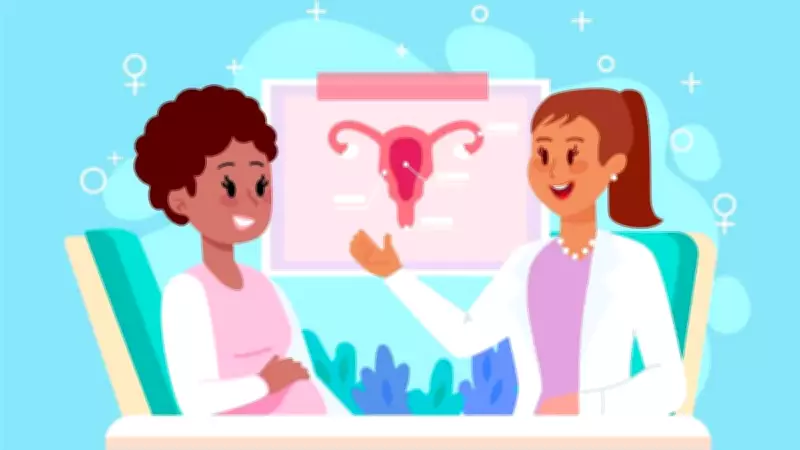
Comprehensive Guide to Cervical Health Protection and Prevention Strategies
In recent years, cervical health has emerged as a critical area of focus in women's wellness across India, with increasing awareness about preventive measures and early detection. The cervix, a vital part of the female reproductive system, requires consistent care and attention to mitigate risks associated with infections and malignancies. This detailed guide explores evidence-based approaches to safeguard your cervical health, integrating medical recommendations with practical lifestyle modifications.
Understanding Cervical Health and Associated Risks
Cervical health primarily revolves around preventing conditions like cervical cancer, which remains a significant public health concern in India. Human papillomavirus (HPV) infection is identified as the leading cause of most cervical cancer cases, transmitted through sexual contact. Other risk factors include smoking, a weakened immune system, long-term use of oral contraceptives, and multiple pregnancies. Recognizing these risks is the first step toward proactive protection, emphasizing the importance of regular gynecological check-ups and screenings.
Key Preventive Measures for Optimal Cervical Health
Implementing a multi-faceted prevention strategy can substantially reduce the likelihood of cervical issues. The cornerstone of protection is the HPV vaccination, recommended for adolescents and young adults to build immunity against high-risk HPV strains. Additionally, practicing safe sex by using condoms and limiting sexual partners helps minimize exposure to HPV and other sexually transmitted infections. Maintaining a robust immune system through a balanced diet rich in antioxidants, regular physical activity, and adequate sleep further supports cervical health by enhancing the body's natural defense mechanisms.

Importance of Regular Screening and Early Detection
Regular screening is indispensable for early detection of cervical abnormalities, allowing for timely intervention before they progress to cancer. The Pap smear test, also known as Pap test, is a widely used screening method that collects cells from the cervix to identify precancerous changes. Health experts advise women to begin Pap smears at age 21 and repeat them every three years if results are normal. For those over 30, combining Pap tests with HPV testing every five years offers enhanced accuracy. Adhering to these screening schedules, even in the absence of symptoms, is crucial for maintaining cervical wellness and preventing advanced disease stages.
Lifestyle Modifications to Support Cervical Wellness
Beyond medical interventions, adopting healthy lifestyle habits plays a pivotal role in cervical protection. Quitting smoking is essential, as tobacco use has been linked to increased cervical cancer risk by impairing immune function. Incorporating a nutrient-dense diet with plenty of fruits, vegetables, and whole grains provides vitamins and minerals that bolster cervical health. Managing stress through techniques like yoga or meditation can also positively impact overall well-being, indirectly supporting the cervix. Furthermore, staying informed about cervical health updates and consulting healthcare providers for personalized advice ensures a tailored approach to prevention.
Addressing Common Myths and Promoting Awareness
Dispelling misconceptions about cervical health is vital for encouraging proactive care. Contrary to some beliefs, cervical issues can affect women of all ages, not just older adults, making early prevention key. Awareness campaigns and educational initiatives in India aim to increase knowledge about vaccination and screening, reducing stigma and improving access to healthcare services. By fostering open discussions and prioritizing regular check-ups, individuals can take empowered steps toward long-term cervical protection and overall reproductive health.