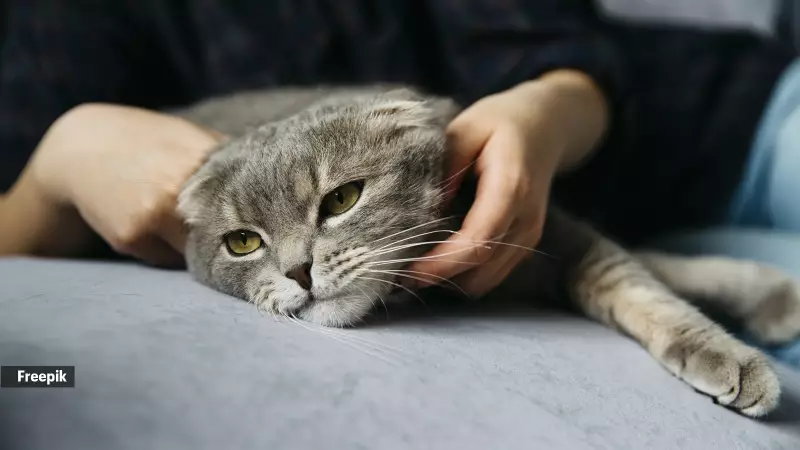
Have you ever opened your eyes in the middle of the night to find your feline friend's unblinking gaze fixed upon you? This common yet puzzling experience leaves many cat owners in India wondering about the motives behind those watchful eyes. Is it affection, curiosity, or something more concerning?
Instinct and Bonding: The Core Reasons
According to Dr Deepraj Prajapati, a senior veterinarian at RD Pet Hospital in Ambedkar Nagar, this behaviour stems from a blend of natural instinct and social connection. Cats are crepuscular animals, meaning their peak activity hours are during dawn and dusk. When their human companions are deep in sleep, cats are often fully alert and observant of their surroundings. "Staring is part of a cat’s natural vigilance and curiosity," explains Dr Prajapati.
Beyond instinct, the bond shared with their caregiver plays a crucial role. Domestic cats form strong attachments and often view their owners as a source of safety, routine, food, and comfort. "Over time, this instinctive observation blends with social behaviour, making the act less about hunting awareness and more about connection and familiarity," the expert states. So, that midnight stare could very well be your cat's way of quietly checking in on its favourite human.
Is It a Sign of Your Cat's Emotional Needs?
"Yes, in many cases it can be," confirms Dr Prajapati. For cats deeply bonded to a particular person, staring at a sleeping owner can be a subtle, non-vocal method of seeking reassurance or closeness. Since cats do not rely heavily on constant vocalisation, a steady gaze often serves as a primary form of communication.
This behaviour can also be learned. If a cat has associated its owner's waking moments with positive outcomes like feeding, playtime, or cuddles, it may patiently watch and wait for the day to begin. "This behaviour is usually calm and relaxed, and it reflects emotional security rather than distress," Dr Prajapati adds, indicating that a content, bonded cat is often the one keeping watch.
When Should the Staring Be a Cause for Concern?
While usually benign, there are situations where this behaviour might signal an underlying issue. Dr Prajapati advises that if the staring becomes intense, repetitive, and is paired with other behavioural shifts, it may point to stress, anxiety, or a health problem.
Look out for accompanying signs such as:
- Restlessness or pacing
- Excessive vocalisation (meowing, yowling)
- Changes in sleep patterns
- Unusual aggression
Environmental stressors like a new pet, a change in routine, or moving house can trigger such anxious behaviour. For older cats, persistent nighttime staring combined with signs of confusion could be linked to age-related cognitive decline. Medical conditions including hyperthyroidism, pain, or sensory loss can also alter a cat's nighttime habits.
"If owners notice that the staring is new, excessive, or paired with other behavioural or physical symptoms, a veterinary consultation is recommended to rule out underlying health concerns," concludes Dr Prajapati. Paying attention to the context and accompanying signs is key to understanding whether your cat's gaze is one of love or a hint that something is amiss.