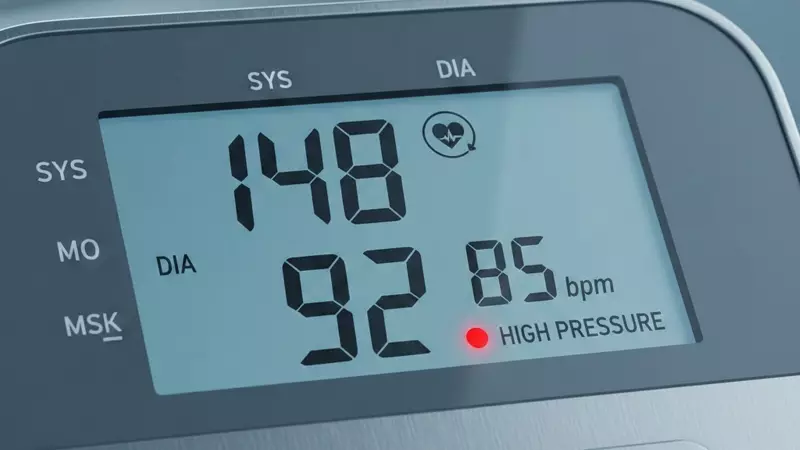
An American cardiologist has sparked a significant debate by asserting that commonly prescribed blood pressure medications "do not work" if they fail to address the fundamental reasons behind hypertension. Dr. Jack Wolfson, a cardiologist based in Arizona, USA, took to social media to challenge the conventional approach of primarily using pharmaceuticals to manage high blood pressure, a condition affecting millions globally.
The Core Argument: Treat the Cause, Not Just the Number
Dr. Wolfson explained that while antihypertensive drugs effectively reduce the numerical reading on a blood pressure monitor, they often overlook the primary drivers of the condition. "Do not address the root cause of why you have high blood pressure," he stated. He emphasised that this approach of merely "chasing numbers with drugs" might not adequately lower the long-term risks of heart attacks, strokes, and mortality.
To illustrate his perspective, Dr. Wolfson offered a vivid analogy. "It's like if I took a hammer and was hammering your toe, you wouldn't ask for pain pills, and you wouldn't ask for narcotics... You would say 'Stop hammering my toe,'" he said. Similarly, he stressed the importance of identifying and stopping what is causing the high blood pressure rather than solely suppressing the symptom.
What Really Drives Hypertension in Healthy Adults?
Echoing the need to look beyond the numbers, Dr. Jagadish Hiremath, a Public Health Intellectual, explained the common underlying factors to indianexpress.com. He highlighted that in otherwise healthy adults, chronic stress and poor sleep are major contributors, keeping the nervous system in a persistent fight-or-flight state that constricts blood vessels.
Dr. Hiremath further pointed to metabolic issues like insulin resistance, excess visceral fat, and early inflammation of blood vessel linings as key players, often appearing before a formal diagnosis of diabetes or obesity. He added that a diet high in salt and low in potassium, combined with physical inactivity and long sedentary hours, worsens vascular stiffness. In many cases, hypertension signals impaired blood vessel flexibility and hormonal imbalances rather than being a standalone disease.
When Are Blood Pressure Medications Still Necessary?
Both experts clarify that this perspective does not advocate for universally abandoning medication. The decision must be individualised. Dr. Hiremath notes that drugs are clearly necessary when blood pressure is persistently high, especially for individuals with coexisting conditions like diabetes, kidney disease, or a history of heart events, or where there is evidence of organ damage.
However, for early or borderline hypertension, a lifestyle-first strategy is crucial. Interventions focusing on weight management, diet, sleep quality, stress reduction, and increased physical activity can significantly improve vascular health and may reduce or even eliminate the need for medication over time.
"The decision should be individualised, balancing immediate risk with long-term prevention," Dr. Hiremath stressed. "Drugs control pressure, but lifestyle changes correct the biological processes that caused it in the first place. The most effective approach is often a combination, rather than an either-or choice."
Dr. Wolfson concluded that high blood pressure itself is not the core problem but a critical warning sign from the body. It indicates that something is off, potentially due to stress, inflammation, nutrient depletion, or toxins. The consensus among these health professionals is a shift towards a more holistic model of care that seeks to treat the root cause while using medication judiciously where required.